Glass slag, a byproduct of glass manufacturing processes, poses unique challenges for material handling due to its abrasive nature and irregular shape. Efficient and reliable equipment is essential to manage this material safely and effectively. This article explores the concept of glass slag material handling equipment and delves into its fundamental design principles, highlighting how such systems address the specific demands of processing glass slag.
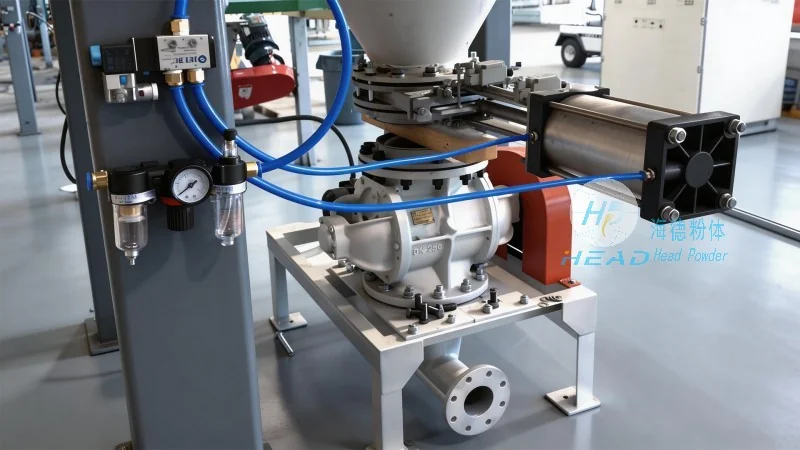
Introduction to Glass Slag Material Handling Equipment
Glass slag, also known as glass cullet or recycled glass, is a granular material resulting from the melting and cooling of glass. It is commonly used in the production of new glass products, but its handling requires specialized equipment due to its abrasive properties and potential for generating dust or causing wear on machinery. The primary goal of glass slag material handling equipment is to transport, store, and process this material in a manner that ensures operational efficiency, worker safety, and equipment longevity.
About Shandong HeadPowder Engineering Co., Ltd.
HeadPowder, a leading manufacturer in the field of material handling solutions, specializes in designing and manufacturing equipment tailored to the unique needs of various industries, including glass manufacturing. With a strong commitment to innovation and quality, HeadPowder has established itself as a trusted partner for companies seeking reliable and efficient material handling systems. The company is headquartered in Shandong, China, and serves clients globally with customized solutions that meet their specific operational requirements.
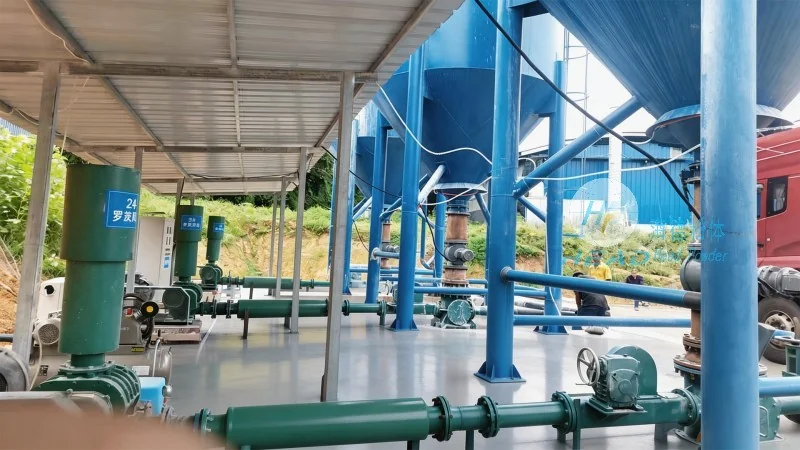
Design Principles of Glass Slag Material Handling Equipment
The design of glass slag material handling equipment is guided by several key principles aimed at addressing the challenges posed by this material. First, durability and wear resistance are critical, as glass slag is abrasive and can cause significant wear on components like belts, rollers, and hoppers. Equipment is typically constructed from high-strength materials, such as stainless steel or specialized alloys, to withstand the harsh conditions of glass slag processing. Second, the equipment must be designed to minimize dust generation and control material flow, as glass slag can be fine and easily airborne, posing health and safety risks. This often involves the use of enclosed systems, dust collection mechanisms, and proper sealing to maintain a clean and safe working environment.
Third, the system must ensure efficient material transport and processing. This involves selecting appropriate conveyor types, such as belt conveyors or screw conveyors, that can handle the irregular shape and varying density of glass slag. The design may also incorporate features like adjustable speed controls, material feeders, and storage hoppers to optimize the flow and processing of the material. Additionally, the equipment is designed to be easy to maintain and service, with accessible components and modular designs that allow for quick repairs and replacements.
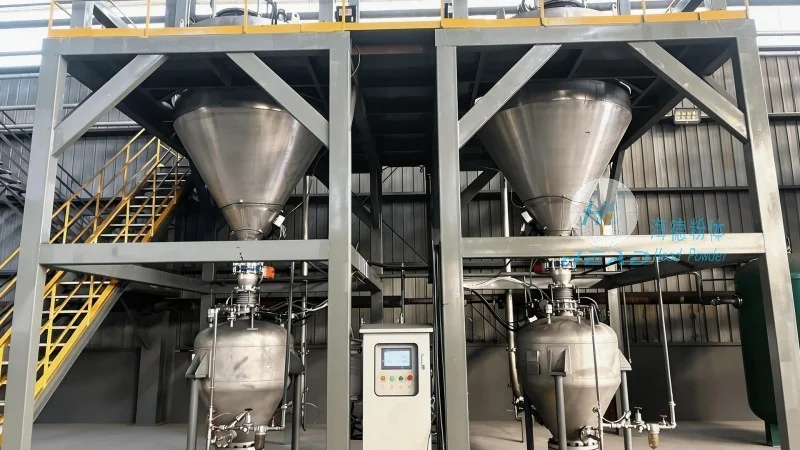
Key Components and Their Functions
Several key components are integral to the operation of glass slag material handling equipment. The hopper or feed bin is the first component, responsible for receiving and storing the glass slag. It is typically designed with a sloped bottom to facilitate material flow into the conveyor system. The conveyor system, which may include belt conveyors, screw conveyors, or pneumatic conveyors, is responsible for transporting the glass slag from the hopper to the processing or storage area. Belt conveyors are commonly used for horizontal or slight incline transport due to their ability to handle large volumes of material and their low maintenance requirements. Screw conveyors, on the other hand, are ideal for vertical or inclined transport and can handle materials with higher moisture content or finer particles.
The material feeder is another critical component, used to regulate the flow of glass slag into the conveyor system. It ensures a consistent and controlled feed rate, preventing overloading or underloading of the conveyor, which can lead to inefficiencies or equipment damage. The control system, which may include sensors, motors, and a control panel, monitors and regulates the operation of the equipment. Sensors can detect the level of material in the hopper or the speed of the conveyor, while the control panel allows operators to adjust settings and monitor the system's performance. Finally, the dust collection system is essential for maintaining a clean and safe environment. It captures dust generated during the handling process and filters it before releasing it into the air, ensuring compliance with environmental regulations and protecting worker health.
Applications and Benefits
Glass slag material handling equipment is widely used in the glass manufacturing industry, as well as in recycling facilities and other applications where glass waste is processed. The primary benefits of using such equipment include improved operational efficiency, reduced labor costs, and enhanced worker safety. By automating the handling process, companies can increase production throughput and reduce the risk of accidents caused by manual handling of abrasive materials. Additionally, the equipment helps to minimize material loss and improve the quality of the final product by ensuring consistent and controlled processing of the glass slag.
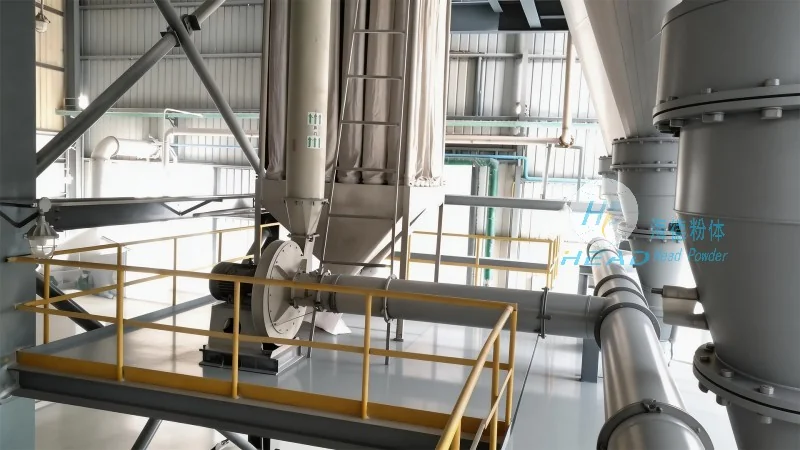
Another key benefit is the reduction of environmental impact. Proper handling and processing of glass slag help to minimize dust and other pollutants, contributing to a cleaner and safer working environment. The equipment also helps to conserve resources by facilitating the recycling of glass, reducing the need for raw materials and lowering the carbon footprint of the glass manufacturing process.
Conclusion
Glass slag material handling equipment is a critical component of modern glass manufacturing and recycling operations. By understanding the design principles and key components of such systems, companies can select and implement equipment that meets their specific needs and enhances their operational efficiency. With the expertise of manufacturers like Shandong HeadPowder Engineering Co., Ltd., companies can ensure that their material handling systems are reliable, durable, and effective in managing glass slag. The continued development of advanced material handling technologies will further improve the efficiency and sustainability of glass slag processing, contributing to the growth and success of the glass industry.




