For manufacturers in the battery industry, the efficient and safe handling of ternary positive electrode materials is a critical aspect of production. Ternary positive electrode materials, composed of nickel, cobalt, and manganese, are widely used in lithium-ion batteries due to their high energy density and performance. However, these materials are often sensitive to moisture and oxygen, making proper material handling essential to maintain their quality and prevent degradation. This article explores the key considerations for material handling systems and the design principles that ensure optimal performance.
Understanding Ternary Positive Electrode Materials and Their Handling Requirements
Ternary positive electrode materials are a type of cathode material for lithium-ion batteries, typically formulated as NCM (nickel-cobalt-manganese) compounds. These materials are known for their excellent electrochemical properties, including high capacity, good rate performance, and thermal stability. However, their sensitivity to environmental factors such as humidity and temperature makes them challenging to handle. Proper material handling involves controlling the environment, minimizing exposure to air and moisture, and ensuring consistent material flow. The goal is to preserve the material's properties and prevent issues like oxidation or agglomeration, which can impact battery performance.
Key Design Principles for Material Handling Systems
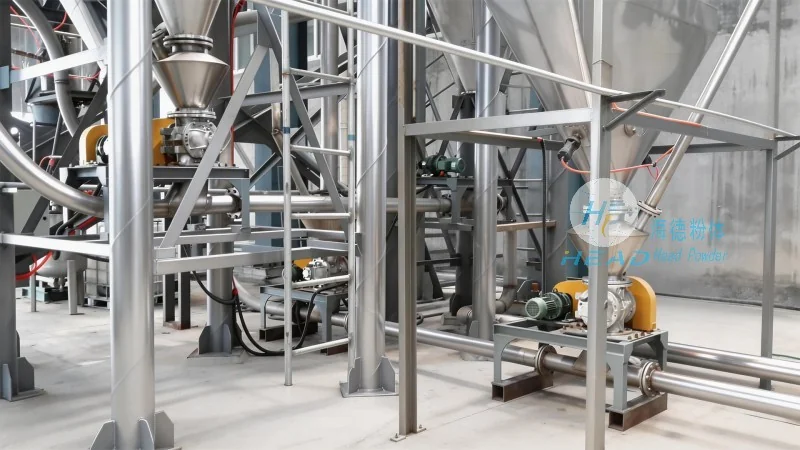
The design of a material handling system for ternary positive electrode materials must address several critical factors to ensure safety, efficiency, and product integrity. First, the system must maintain a controlled environment, typically with low humidity and inert gas (such as nitrogen) to protect the material from oxidation. This often involves sealed containers, enclosed conveyor systems, and air filtration to remove contaminants. Second, the equipment used must be compatible with the material, avoiding materials that could react or contaminate the product. For example, stainless steel or specialized plastic components are commonly used to prevent corrosion and material transfer. Third, the system must ensure smooth and continuous material flow, minimizing static electricity buildup and preventing material degradation from friction or impact. This may include the use of low-friction conveyor belts, gentle handling mechanisms, and proper alignment of equipment to reduce stress on the material.
Components of an Effective Material Handling System
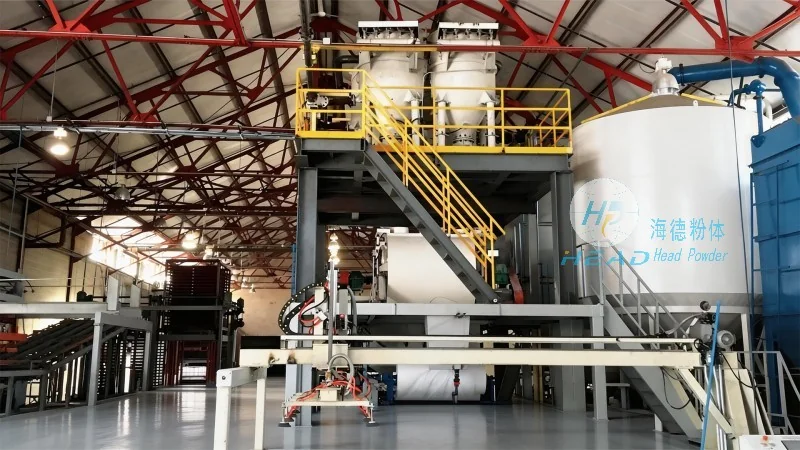
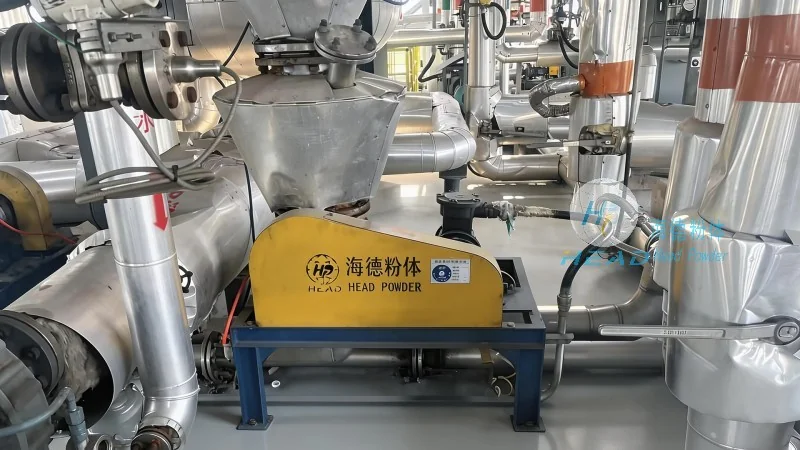
An effective material handling system for ternary positive electrode materials typically includes several key components. The first is a storage and feeding unit, which may involve sealed hoppers or silos to store the material under controlled conditions. These units are often equipped with level sensors and flow control devices to regulate the material release. Next, the conveying system, which may include pneumatic or mechanical conveyors, transports the material from storage to processing equipment. Pneumatic conveying is particularly useful for fine powders, as it can handle the material gently and maintain a controlled environment. Mechanical conveyors, such as screw or belt conveyors, are also used for bulk material handling, but require careful design to avoid material degradation. Finally, the system includes processing equipment, such as mixers or extruders, where the material is further processed before use. Each component must be integrated seamlessly to ensure a continuous and efficient workflow.
Role of Material Handling in Battery Production
The material handling process is a critical link in the battery production chain, as it directly impacts the quality and performance of the final product. Proper handling ensures that the ternary positive electrode material remains in its optimal state, with minimal degradation or contamination. This, in turn, contributes to the battery's energy density, cycle life, and safety. For manufacturers, investing in a well-designed material handling system is essential to meet quality standards and customer expectations. It also helps to reduce waste and improve overall production efficiency. By controlling the environment and handling processes, manufacturers can ensure that the material is used effectively and that the final battery products meet the required specifications.
About Shandong HeadPowder Engineering Co., Ltd.
Shandong HeadPowder Engineering Co., Ltd., operating under the brand name HeadPowder, is a leading provider of material handling solutions for the battery industry. With a focus on innovation and quality, HeadPowder specializes in designing and manufacturing systems tailored to the unique needs of ternary positive electrode materials. The company's expertise lies in creating controlled environments and efficient material flow systems that meet the highest industry standards. HeadPowder's solutions are designed to enhance production efficiency, improve product quality, and ensure safety in the handling of sensitive materials. Based in Shandong, China, HeadPowder serves clients globally, providing customized material handling solutions that support the growth of the battery industry.




