Chlorinated polyethylene (CPE) powder conveyors are specialized equipment designed to handle and transport powders made from chlorinated polyethylene, a versatile polymer widely used in various industrial applications. These conveyors are engineered to ensure efficient, safe, and reliable material handling, playing a crucial role in manufacturing processes that rely on CPE powders. Understanding the functionality and design principles of such conveyors is essential for industries seeking to optimize their material handling operations. Manufactured by Shandong HeadPowder Engineering Co., Ltd., these conveyors are tailored to meet the demands of modern industrial environments.
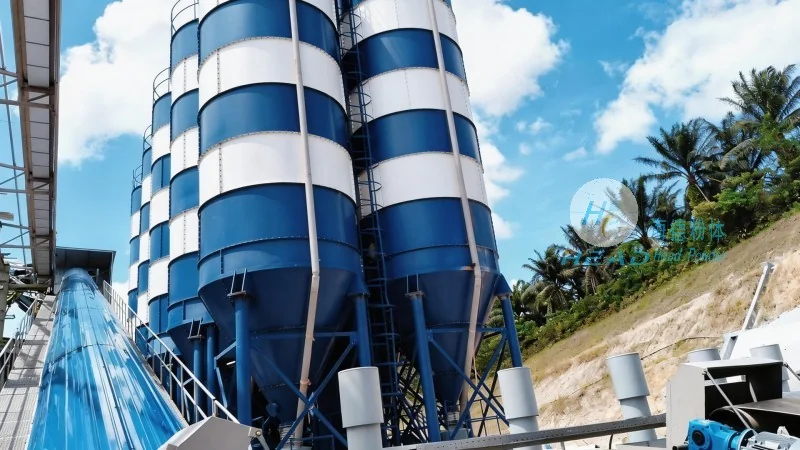
Understanding the Role of Chlorinated Polyethylene Powder Conveyors
Chlorinated polyethylene is a modified polyethylene polymer that has been chemically treated to introduce chlorine atoms into its molecular structure. This modification enhances the polymer's properties, such as improved weather resistance, better chemical stability, and enhanced flexibility. In industrial settings, CPE powders are often used in the production of plastic products, coatings, and other materials where these enhanced properties are beneficial. The powder conveyor is specifically designed to manage the flow of these powders, which can be challenging due to their fine particle size and potential for static electricity accumulation.
The Design Principles Behind Chlorinated Polyethylene Powder Conveyors
The design of a chlorinated polyethylene powder conveyor is centered on several key principles to ensure effective operation. First, the conveyor must be constructed from materials that are compatible with CPE powders and resistant to chemical corrosion. Common materials include stainless steel, which provides durability and resistance to the chemicals present in CPE powders. Second, the conveyor system incorporates features to prevent material buildup and blockages, such as smooth internal surfaces and appropriate inclination angles to facilitate gravity-assisted flow. Third, the design includes mechanisms to manage static electricity, which is critical for preventing dust explosions and ensuring safe handling of the powders. This often involves grounding systems and anti-static additives in the conveyor components.
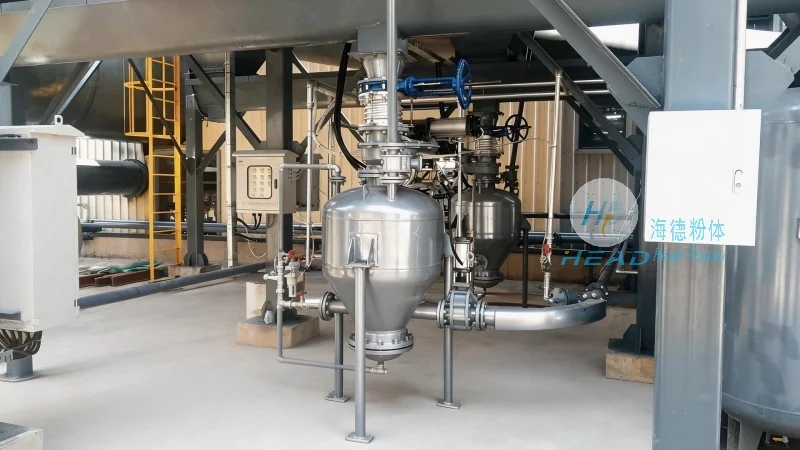
Key Components and Operational Mechanisms
Chlorinated polyethylene powder conveyors typically consist of several key components that work together to achieve efficient material transport. The primary components include a hopper for material storage, a conveyor belt or screw mechanism for moving the powder, and a discharge system for delivering the material to the next stage of processing. The hopper is designed with a wide opening to allow easy loading of the CPE powder and often includes a lid to prevent contamination and dust dispersion. The conveyor belt or screw is chosen based on the specific characteristics of the powder, such as particle size and flowability. For fine powders like CPE, a screw conveyor is often preferred as it provides gentle material handling and reduces the risk of particle degradation. The discharge system may include a valve or gate to control the flow rate and ensure consistent delivery of the material.
Benefits and Applications of Chlorinated Polyethylene Powder Conveyors
The use of chlorinated polyethylene powder conveyors offers several advantages for industrial operations. These conveyors enhance the efficiency of material handling by providing a continuous and controlled flow of CPE powders, reducing downtime and improving production throughput. They also improve safety by minimizing the risk of dust explosions through effective static control and proper material containment. Additionally, the design of these conveyors ensures minimal product contamination, which is crucial for maintaining the quality of the final products. Industries that benefit from CPE powder conveyors include the plastic manufacturing sector, where CPE is used in the production of pipes, sheets, and other plastic products; the coating industry, where CPE powders are used in protective coatings; and the automotive industry, where CPE is used in parts requiring weather resistance and flexibility.
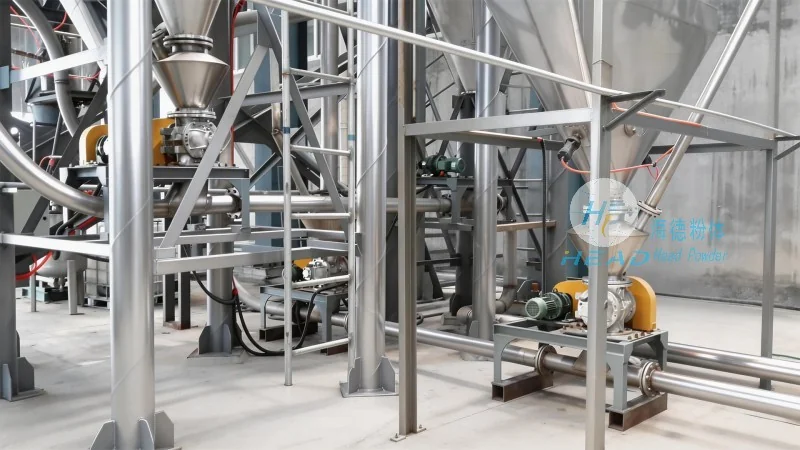
Customization and Maintenance Considerations
Chlorinated polyethylene powder conveyors can be customized to meet the specific needs of different industrial applications. Manufacturers may offer options such as variable speed drives to adjust the flow rate based on production requirements, different hopper sizes to accommodate varying powder volumes, and specialized discharge mechanisms for handling different product types. Regular maintenance is essential to ensure the longevity and performance of the conveyor system. This includes cleaning the conveyor components to prevent material buildup, inspecting the static control systems for proper functionality, and checking the mechanical parts for wear and tear. Proper maintenance not only extends the lifespan of the equipment but also ensures consistent performance and safety in material handling operations.
Conclusion
Chlorinated polyethylene powder conveyors are essential equipment for industries that rely on the efficient and safe handling of CPE powders. By understanding the design principles and operational mechanisms of these conveyors, businesses can optimize their material handling processes, improve productivity, and enhance safety. The specialized design of these conveyors addresses the unique challenges of handling fine powders, such as static electricity and material flow, making them a critical component in modern industrial operations. As industries continue to seek more efficient and reliable material handling solutions, the importance of well-designed CPE powder conveyors will only grow.




