For industrial applications involving the handling of polyacrylamide powder, efficient and reliable material transport is crucial. A polyacrylamide powder conveyor is a specialized piece of equipment designed to transport this type of powder from one location to another within a processing facility. This equipment is essential for maintaining consistent production flow and ensuring that the polyacrylamide powder is delivered to the next stage of processing without loss or degradation.
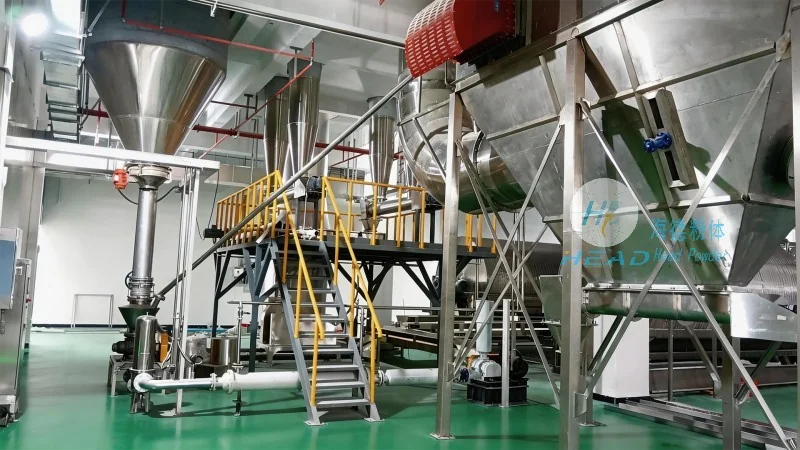
HeadPowder, a leading manufacturer based in Shandong, China, specializes in the design and production of high-quality polyacrylamide powder conveyors. With years of experience in the field, HeadPowder Engineering Co., Ltd. has developed advanced solutions tailored to meet the diverse needs of various industries, including water treatment, paper manufacturing, and mining.
Polyacrylamide Powder Conveyors: Key Components and Design
The design of a polyacrylamide powder conveyor is centered around several critical components that work in harmony to ensure optimal performance. The primary components include a hopper for material storage, a conveyor mechanism (such as a screw or belt conveyor), and a control system for regulating the flow of the powder. The hopper is typically made of durable materials like stainless steel or high-density polyethylene to prevent material degradation and contamination. The conveyor mechanism is engineered to handle the specific characteristics of polyacrylamide powder, which can be fine, abrasive, and prone to caking under certain conditions.
The control system plays a vital role in maintaining the stability of the powder flow. It often includes sensors to monitor the level of material in the hopper and the speed of the conveyor, allowing for real-time adjustments to prevent overfilling or underflow. This automation ensures consistent and safe operation, reducing the risk of accidents and improving overall efficiency.
Design Principles Behind Polyacrylamide Powder Conveyors
The design principles of polyacrylamide powder conveyors are guided by several key factors, including material properties, operational requirements, and safety considerations. The first principle is to minimize material degradation during transport. Polyacrylamide powder is sensitive to moisture and temperature changes, which can affect its performance. Therefore, the conveyor design incorporates features like sealed hoppers and insulated conveyor sections to maintain a stable environment.
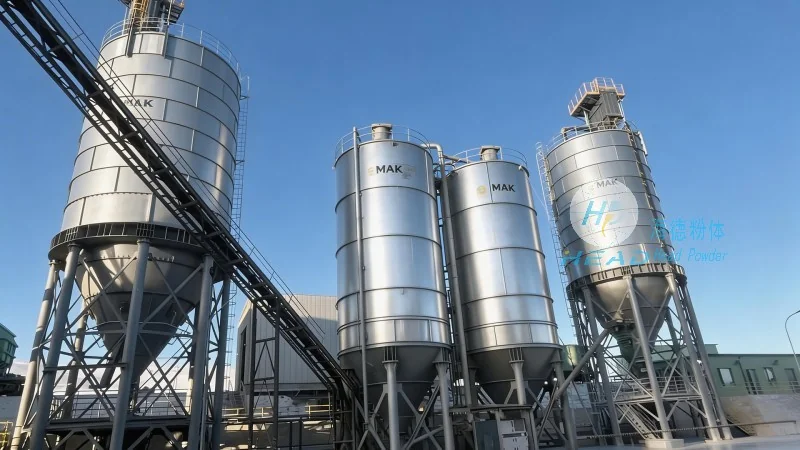
Secondly, the design focuses on preventing caking and blockages. Polyacrylamide powder can agglomerate when exposed to air or moisture, leading to clogs in the conveyor system. To address this, the conveyor may include features such as agitators or vibration mechanisms that keep the powder in a free-flowing state. Additionally, the material of the conveyor components is selected to be non-stick and easy to clean, reducing the likelihood of residue buildup.
Thirdly, the design prioritizes safety and compliance with industrial standards. The equipment is constructed to handle potentially hazardous materials, with features like explosion-proof motors and emergency stop buttons. The control system is designed to prevent overloading, which can lead to equipment failure or accidents. These safety measures ensure that the conveyor operates within safe parameters and complies with relevant regulations.
How Polyacrylamide Powder Conveyors Work
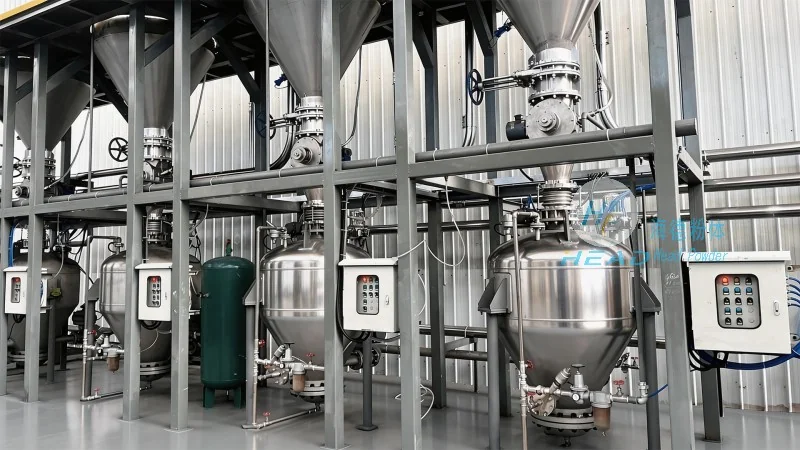
The operation of a polyacrylamide powder conveyor typically involves the following steps. First, the polyacrylamide powder is fed into the hopper from a storage silo or bag. The hopper is equipped with a feeding mechanism, such as a screw feeder or a rotary valve, which controls the rate at which the powder is released into the conveyor. The conveyor mechanism then transports the powder along its path, delivering it to the discharge point, which may be a mixer, a storage tank, or another processing unit.
During the transport process, the conveyor may incorporate features like air knives or air curtains to prevent dust generation and improve material handling. These features help maintain a clean working environment and reduce the risk of dust inhalation for operators. The control system continuously monitors the flow rate and adjusts the feeding mechanism as needed to maintain a consistent output.
Advantages of Using Polyacrylamide Powder Conveyors
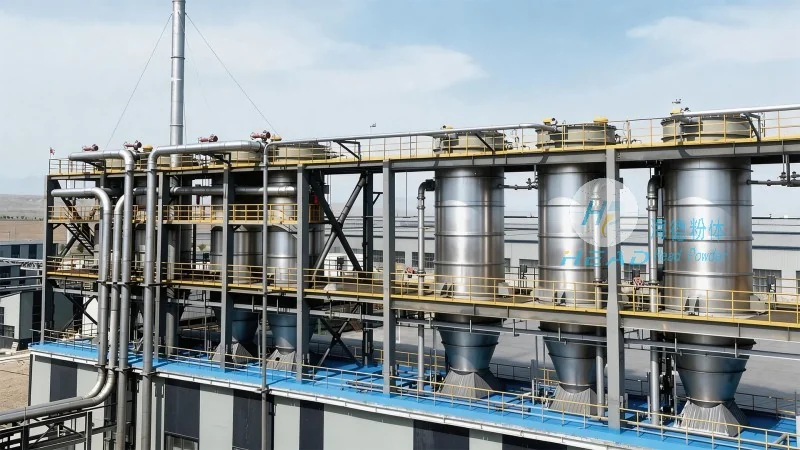
Implementing a polyacrylamide powder conveyor offers several advantages for industrial operations. Firstly, it enhances efficiency by providing a continuous and reliable flow of material, reducing downtime caused by manual handling or material blockages. This leads to increased production throughput and lower labor costs.
Secondly, the conveyor helps maintain the quality of the polyacrylamide powder by minimizing exposure to air and moisture. This is critical for applications where the powder's performance is directly related to its physical properties, such as in water treatment or paper manufacturing. By preserving the powder's integrity, the conveyor ensures consistent product quality.
Thirdly, the automated control system reduces the need for manual intervention, improving safety and reducing the risk of human error. Operators can monitor the system remotely, and the automated adjustments prevent overfilling or underflow, which can cause equipment damage or material waste.
Applications of Polyacrylamide Powder Conveyors
Polyacrylamide powder conveyors are widely used in various industries due to their versatility and effectiveness. In the water treatment industry, they are used to transport polyacrylamide, a key flocculant used to clarify water by aggregating suspended particles. The conveyor ensures that the flocculant is delivered to the treatment tanks at the correct concentration, improving the efficiency of the water treatment process.
In the paper manufacturing industry, polyacrylamide is used as a wet strength resin to enhance the strength of paper products. The conveyor system efficiently transports the powder to the paper machine, where it is mixed with the pulp. This ensures that the paper has the desired strength and durability, meeting industry standards.
In the mining industry, polyacrylamide is used as a flocculant in tailings management, helping to separate solid particles from water. The conveyor system transports the polyacrylamide to the tailings ponds, where it is mixed with the slurry to improve settling efficiency. This reduces the volume of tailings and minimizes environmental impact.
Conclusion
HeadPowder Engineering Co., Ltd. provides high-quality polyacrylamide powder conveyors that are designed to meet the specific needs of industrial applications. By focusing on the key design principles of material handling, safety, and efficiency, these conveyors ensure reliable and consistent transport of polyacrylamide powder. With their advanced features and robust construction, HeadPowder's conveyors are an essential component for any facility that processes polyacrylamide powder, contributing to improved productivity and product quality.




