For industries dealing with foam plastic powders, efficient and reliable material handling is crucial. A foam plastic powder conveyor is a specialized piece of equipment designed to transport these lightweight, often low-density materials with precision. This article delves into the fundamental aspects of such conveyors, focusing on their design principles and how they enhance operational efficiency in various industrial settings.
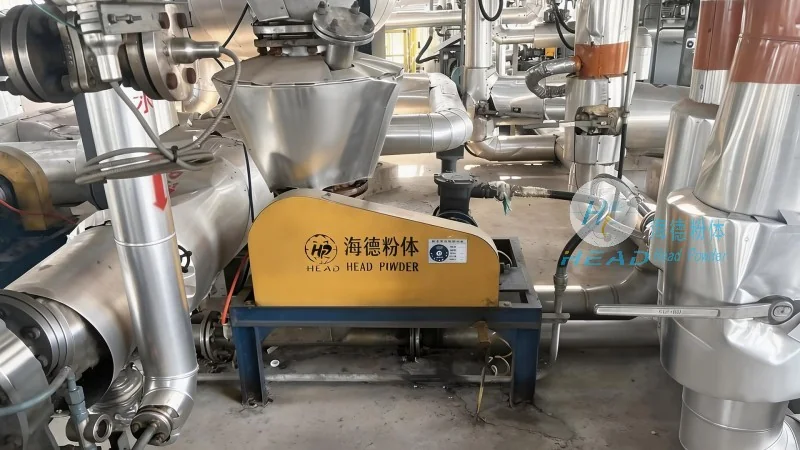
Understanding Foam Plastic Powders and Their Handling Challenges
Foam plastic powders, such as polystyrene or polyethylene foams, present unique challenges during transportation. Their low density and tendency to flow or settle unevenly require specialized equipment to maintain consistent flow rates and prevent material degradation. Traditional conveyors may struggle with these characteristics, leading to issues like clogging, uneven distribution, or material loss. The design of a foam plastic powder conveyor addresses these challenges by incorporating features tailored to the physical properties of foam powders.
Key Design Principles of Foam Plastic Powder Conveyors
The design of a foam plastic powder conveyor is centered on several critical principles to ensure optimal performance. First, the equipment must accommodate the low bulk density of foam powders, which means larger cross-sectional areas or specialized feeding mechanisms to maintain adequate material flow. Second, the conveyor’s internal components, such as the hopper and chutes, are often designed with smooth, non-stick surfaces to prevent material adhesion and ensure uniform movement. Third, the system incorporates adjustable speed controls and variable feed rates to adapt to changing production demands, allowing for precise control over the material’s movement. Additionally, many designs include vibration or agitation features to prevent material bridging or compaction, which are common issues in handling lightweight powders.
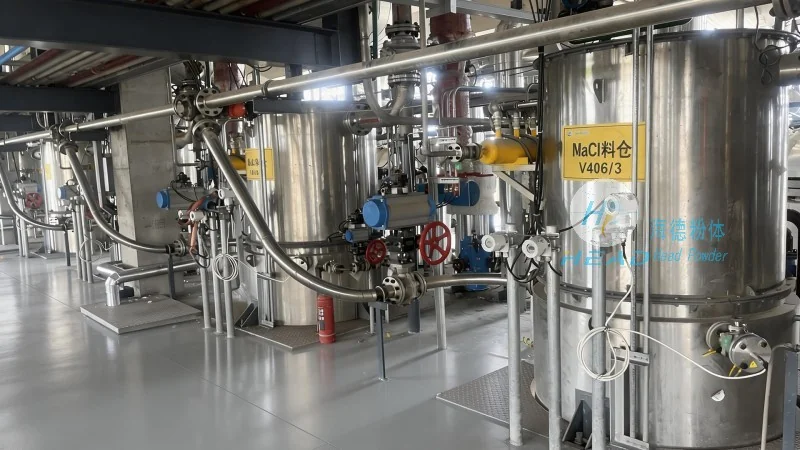
Components and Functionalities of a Typical Foam Plastic Powder Conveyor
A standard foam plastic powder conveyor consists of several key components that work in tandem to achieve efficient material transport. The hopper, typically made of durable materials like stainless steel or high-density plastic, serves as the primary storage and feeding unit. It is designed with a wide opening to allow easy loading of the foam powder and often includes a pre-screening or level indicator to monitor material levels. The conveyor’s main body, which may be a screw conveyor, belt conveyor, or pneumatic system, is engineered to handle the specific flow characteristics of foam powders. For example, a screw conveyor with a larger pitch or a wider diameter is often used to prevent the material from settling and clogging the screw threads. The discharge mechanism, such as a controlled outlet or a rotary valve, ensures that the material is released in a controlled manner, avoiding spills or uneven distribution.
The Role of Material Properties in Conveyor Design
The physical properties of foam plastic powders significantly influence the design of the conveyor. Foam powders are characterized by their low bulk density, which can range from 0.1 to 0.5 g/cm³, depending on the specific material. This low density means that the conveyor must be able to handle a large volume of material without excessive power consumption. Additionally, foam powders often have a tendency to form clumps or agglomerates, which can impede flow. Therefore, the conveyor’s design may include features like air injection or mechanical agitation to break up clumps and maintain a consistent flow. The material’s abrasiveness and chemical resistance are also considered, as foam powders may contain additives or be exposed to corrosive environments. The choice of materials for the conveyor’s components, such as the hopper and chutes, is critical to ensure durability and longevity.
Applications and Industries Using Foam Plastic Powder Conveyors
Foam plastic powder conveyors are widely used in various industries where foam powders are a key component. In the packaging industry, these conveyors are used to transport polystyrene foam for packaging applications, ensuring consistent filling of packaging molds. The construction industry utilizes foam plastic powders for insulation and lightweight fillers, and conveyors help in transporting these materials to construction sites. The automotive industry also benefits from foam plastic powder conveyors when handling foam components for vehicle interiors or insulation. Additionally, in the manufacturing of foam products, such as foamed plastics for consumer goods, the conveyor plays a vital role in moving raw materials to processing equipment. The versatility of foam plastic powder conveyors makes them indispensable in any operation that relies on efficient handling of these lightweight materials.
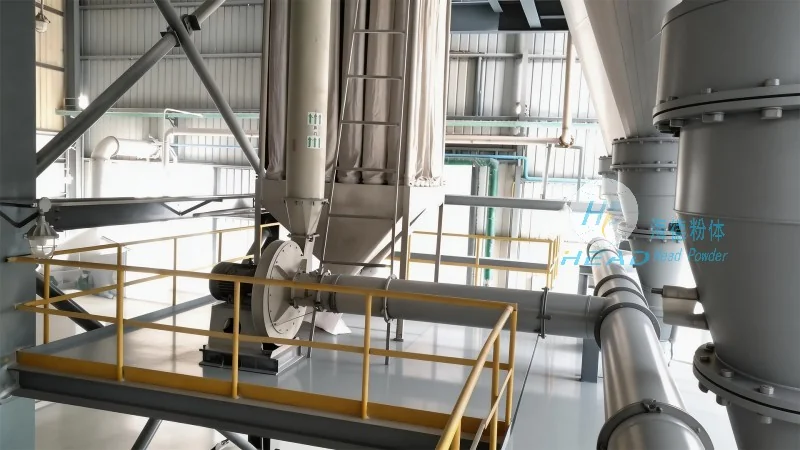
Benefits of Using a Foam Plastic Powder Conveyor
Implementing a foam plastic powder conveyor offers numerous benefits to industrial operations. Firstly, it significantly improves material handling efficiency by ensuring consistent and controlled flow of foam powders. This reduces downtime and increases production throughput, as the conveyor can maintain a steady rate of material transport without manual intervention. Secondly, the specialized design of the conveyor minimizes material loss and waste, as it prevents clogging and uneven distribution. This not only saves costs but also enhances environmental sustainability by reducing the amount of material that needs to be disposed of. Thirdly, the adjustable features of the conveyor allow for flexibility in production, enabling manufacturers to adapt to changing demand or product specifications. Finally, the use of durable materials in the conveyor’s construction ensures long-term reliability and reduces maintenance costs over the equipment’s lifespan.
Conclusion: The Importance of Proper Design in Foam Plastic Powder Conveyors
In conclusion, a foam plastic powder conveyor is a critical piece of equipment for industries dealing with lightweight, low-density foam powders. Its design is tailored to address the unique challenges of handling these materials, ensuring efficient, consistent, and reliable transport. By incorporating features such as adjustable speed controls, non-stick surfaces, and vibration mechanisms, these conveyors enhance operational efficiency and reduce material loss. The choice of a well-designed foam plastic powder conveyor, such as those offered by Shandong HeadPowder Engineering Co., Ltd., can significantly impact the productivity and cost-effectiveness of industrial operations. As industries continue to rely on foam plastic powders for various applications, the importance of selecting the right conveyor system cannot be overstated.




