For industries dealing with fine powders, efficient material handling is crucial. A fine powder pneumatic conveying system, also known as a pneumatic conveyor, is a technology that uses air to transport dry powders and granules. This method offers advantages such as low maintenance, the ability to handle sensitive materials, and the flexibility to move materials over long distances without the need for complex infrastructure. The system is particularly useful for transporting materials that are difficult to handle with traditional methods like belt conveyors or bucket elevators.
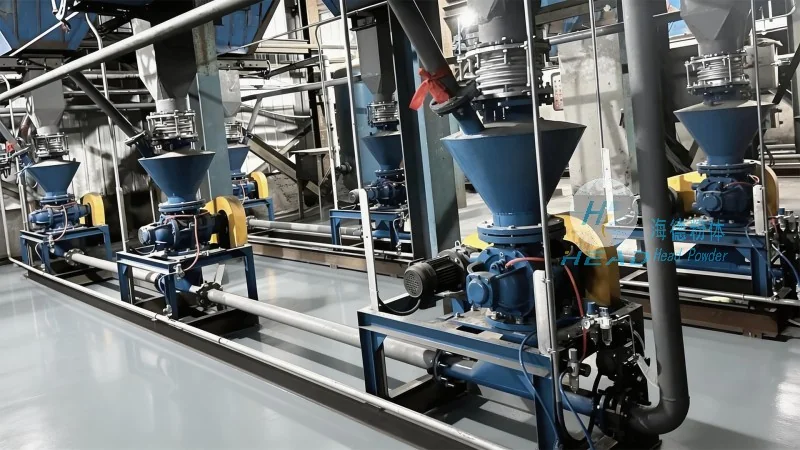
Key Components of a Fine Powder Pneumatic Conveying System
The core components of a fine powder pneumatic conveying system include the hopper, the air compressor, the conveying line, and the discharge point. The hopper is where the material is stored and fed into the system. The air compressor generates the air pressure needed to move the material through the line. The conveying line, typically made of metal or plastic, transports the material from the hopper to the discharge point. The discharge point is where the material is released into its final destination, such as a storage silo or a processing unit. Each component plays a vital role in ensuring the system operates efficiently and reliably.
Design Principles for Optimal Performance
The design of a fine powder pneumatic conveying system is based on several key principles to ensure it meets the specific needs of the application. One of the primary principles is the selection of the appropriate air velocity. The air velocity must be high enough to lift and transport the powder particles but not so high that it causes excessive wear on the system components or leads to material degradation. The system's design also considers the particle size and density of the material being conveyed. Larger or denser particles may require higher air velocities or different nozzle designs to ensure proper transport. Additionally, the system's layout is carefully planned to minimize the number of bends and changes in direction, as these can cause material buildup or blockages. The use of appropriate materials for the conveying line and components is also critical to prevent corrosion or wear from the fine powder particles.
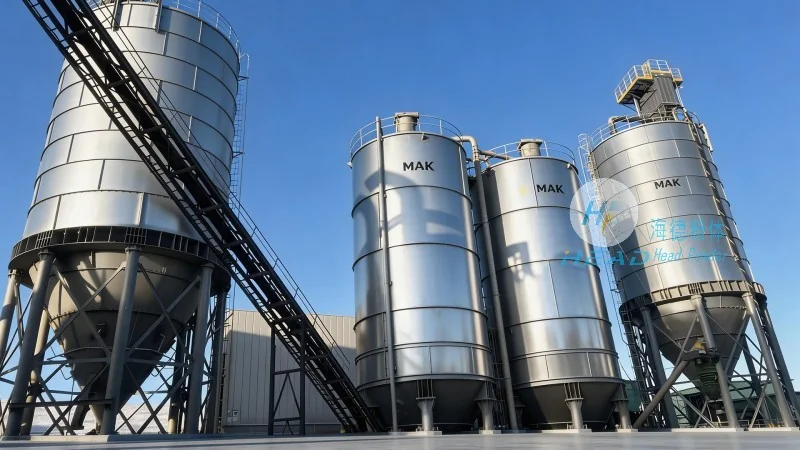
How Fine Powder Pneumatic Conveying Systems Work
When the system is in operation, the material is fed from the hopper into the conveying line. The air compressor then supplies compressed air, which creates a flow through the line. As the air flows, it lifts the powder particles and carries them along the line to the discharge point. The system can operate in either positive pressure or negative pressure modes. In positive pressure systems, the air is forced into the conveying line, pushing the material forward. In negative pressure systems, the air is drawn out of the line, creating a vacuum that pulls the material through. The choice between these modes depends on the application and the material being conveyed. For example, positive pressure systems are often used for long-distance or high-capacity transport, while negative pressure systems are suitable for short-distance or low-capacity applications.
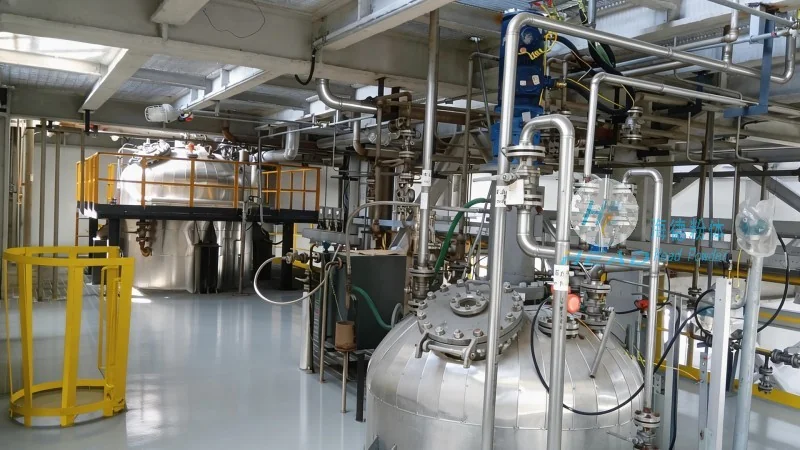
Benefits of Using Fine Powder Pneumatic Conveying Systems
There are several benefits to using a fine powder pneumatic conveying system. One of the main benefits is the ability to handle sensitive materials without causing damage. The system's enclosed design prevents contamination and dust exposure, which is important for materials used in pharmaceutical or food industries. Another benefit is the flexibility in system layout. The system can be installed in various configurations, including horizontal, vertical, or a combination of both, to fit the space and layout of the facility. This flexibility allows for efficient material handling in different production environments. Additionally, the system is relatively low maintenance compared to other material handling methods. The lack of moving parts in the conveying line reduces the risk of breakdowns and the need for frequent repairs. This results in lower operational costs and increased productivity for the user.
Applications of Fine Powder Pneumatic Conveying Systems
Fine powder pneumatic conveying systems are used in a wide range of industries. In the chemical industry, they are used to transport powders such as cement, flour, and chemicals. In the food industry, they are used to handle ingredients like sugar, spices, and flour. In the pharmaceutical industry, they are used to transport active pharmaceutical ingredients (APIs) and other sensitive materials. In the mining industry, they are used to transport minerals and ores. The versatility of the system makes it suitable for various applications across different sectors.




