Soybeans are a vital agricultural commodity globally, serving as a primary source of protein and oil for food and industrial uses. The efficient handling and transportation of soybean grains from the field to processing facilities or storage areas are critical for maintaining quality, reducing losses, and optimizing operational costs. This article explores the concept of a soybean grain material handling system, detailing its components, operational principles, and key design considerations that ensure optimal performance. The information is presented by Shandong HeadPowder Engineering Co., Ltd., a leading provider of specialized engineering solutions for grain and bulk material handling, with operations based in China.
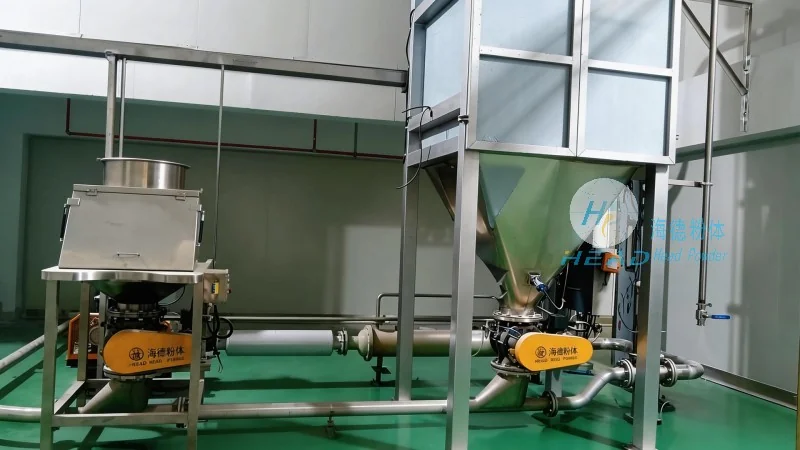
Introduction to Soybean Grain Material Handling Systems
A soybean grain material handling system is a comprehensive set of equipment, processes, and controls designed to move, store, and manage soybean grains throughout the supply chain. These systems are essential for agricultural operations, as they facilitate the transition of raw soybeans from harvest to processing, ensuring the product remains in optimal condition. The system typically includes components such as conveyors, elevators, storage silos, and material handling machinery, all integrated to work in harmony. The primary goal of such a system is to enhance productivity, minimize downtime, and maintain the quality of the soybean grain, which is vital for downstream processing and marketability.
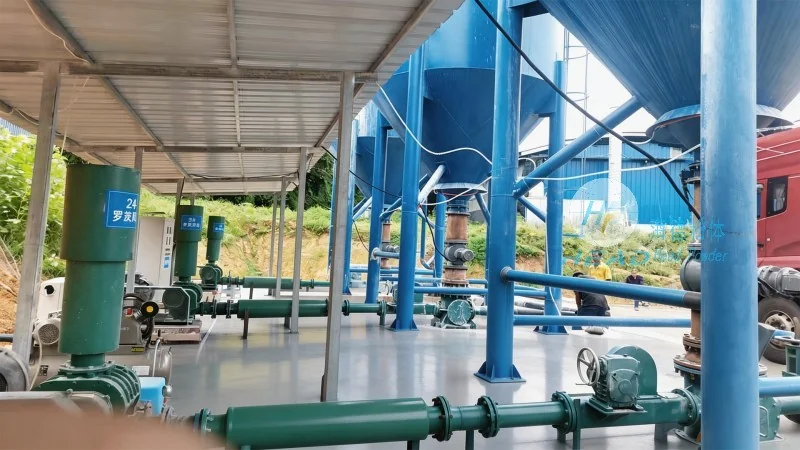
Core Components of a Soybean Grain Material Handling System
The effectiveness of a soybean grain material handling system relies on its core components, each playing a specific role in the overall operation. One of the most common components is the belt conveyor, which uses a continuous loop of rubber or plastic belt to transport soybeans horizontally or at a slight incline. Belt conveyors are versatile and can handle a wide range of grain sizes and moisture levels, making them ideal for moving soybeans from the field to storage or processing areas. Another critical component is the bucket elevator, which uses a series of buckets attached to a rotating drum to lift soybeans vertically. This equipment is particularly useful for transporting soybeans from ground level to elevated storage silos or processing units, ensuring efficient vertical movement without the need for complex machinery. Additionally, storage silos or bins are integral to the system, providing a secure and controlled environment for storing soybeans before processing. These silos are designed to prevent spoilage, pest infestation, and moisture absorption, preserving the quality of the grain. Control systems, including sensors and automation technology, are also essential components, enabling real-time monitoring of flow rates, temperature, and other critical parameters to ensure the system operates smoothly and safely.
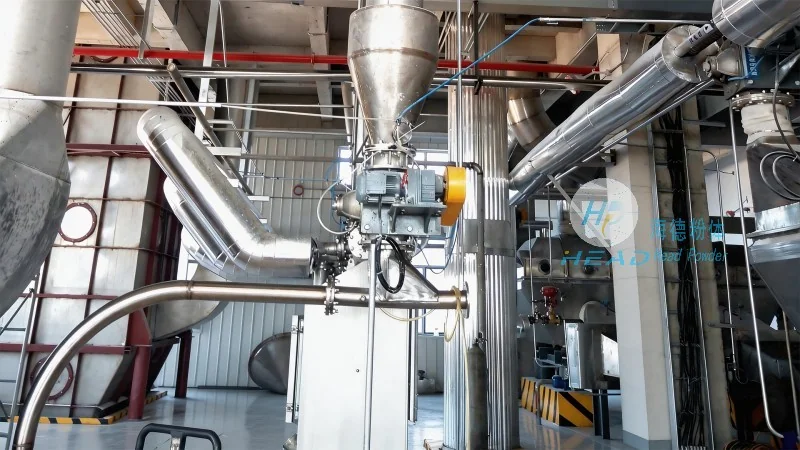
Design Principles for Efficient Soybean Material Handling
The design of a soybean grain material handling system follows several key principles to ensure efficiency, reliability, and safety. First, the system must be tailored to the specific characteristics of soybean grains, such as their size, shape, and moisture content. For instance, soybeans are relatively small and have a smooth surface, which can affect how they move through equipment. Designers must consider these properties to select appropriate equipment and adjust operating parameters accordingly. Second, the system should be designed for high throughput and minimal downtime. This involves selecting equipment with sufficient capacity to handle the expected volume of soybeans and incorporating redundancy or backup systems to prevent operational disruptions. Third, the design must prioritize safety and compliance with industry standards. This includes implementing proper guarding on moving parts, using appropriate materials that are resistant to corrosion and wear, and ensuring that the system meets local regulations regarding noise and dust control. Fourth, the system should be modular and adaptable, allowing for future expansion or modifications as the needs of the operation evolve. This flexibility ensures that the investment in the material handling system remains relevant and cost-effective over time.
The Role of Material Handling in Soybean Processing Operations
In soybean processing operations, the material handling system is the backbone of the entire process. From the moment soybeans are harvested and delivered to the processing facility, the system is responsible for moving the grain through various stages, including cleaning, drying, dehulling, and crushing. Each stage requires specific handling equipment to ensure that the soybeans are processed correctly and efficiently. For example, cleaning equipment such as sieves and air classifiers removes impurities like dust, stones, and other foreign materials from the soybeans, preventing damage to processing machinery and ensuring product quality. Drying equipment, such as rotary dryers or fluidized bed dryers, reduces the moisture content of the soybeans to the optimal level for processing, which is crucial for preventing mold growth and maintaining the nutritional value of the grain. The material handling system must coordinate these processes seamlessly, ensuring that the soybeans move from one stage to the next without bottlenecks or delays. This coordination is essential for maintaining a consistent production rate and meeting the demands of the market. The design and operation of the material handling system directly impact the overall efficiency and profitability of the soybean processing operation, making it a critical investment for any facility.
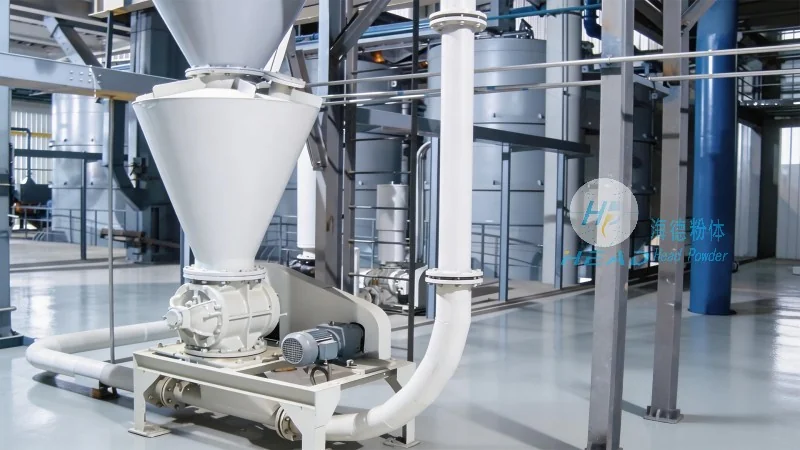
About Shandong HeadPowder Engineering Co., Ltd.
Shandong HeadPowder Engineering Co., Ltd. is a professional engineering company specializing in the design, manufacturing, and installation of grain and bulk material handling systems. With a focus on providing customized solutions for agricultural and industrial applications, the company has built a reputation for excellence in the field of material handling. HeadPowder operates from China, leveraging local expertise and resources to deliver high-quality, reliable systems that meet the specific needs of its clients. The company’s team of experienced engineers and technicians works closely with clients to understand their operational requirements and develop tailored material handling systems that enhance productivity and reduce costs. By combining advanced technology with practical engineering solutions, HeadPowder ensures that its systems are not only efficient but also durable and easy to maintain. The company’s commitment to quality and customer satisfaction has made it a trusted partner for businesses in the agricultural and processing industries, helping them to optimize their material handling operations and achieve their business goals.




