Gray calcium pneumatic conveying systems are specialized equipment designed for the efficient transport of gray calcium and other powdery materials. As a professional manufacturer based in Shandong, China, Shandong HeadPowder Engineering Co., Ltd. has been dedicated to providing high-quality solutions for various material handling needs. This article aims to explain what a gray calcium pneumatic conveying system is and delve into its core design principles.
Understanding the Gray Calcium Pneumatic Conveying System
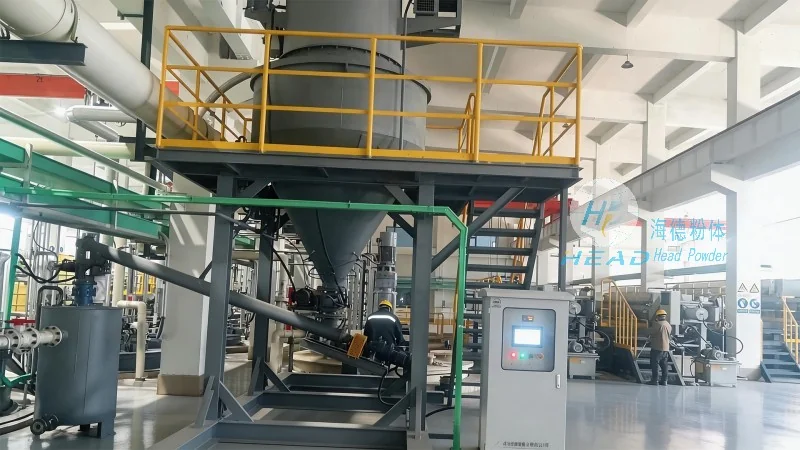
A gray calcium pneumatic conveying system, also known as a pneumatic conveyor, is a device that uses compressed air or inert gases to move powdery materials like gray calcium through a network of pipes. This method of material transport is widely used in industries such as construction, chemical processing, and food processing due to its ability to handle fine powders over long distances with minimal dust and contamination. The system typically consists of several key components, including a feeder, a conveying pipeline, a separation unit, and a receiver. Each component plays a crucial role in ensuring the smooth and efficient operation of the entire system.
Core Design Principles of the System
The design of a gray calcium pneumatic conveying system is based on fundamental principles of fluid dynamics and material science. The primary principle is the creation of a gas-solid two-phase flow, where the gray calcium particles are suspended and carried by the moving air or gas within the pipeline. This suspension is achieved by maintaining a specific velocity and pressure within the system, which is determined by the properties of the material being conveyed—such as particle size, density, and moisture content—as well as the desired distance and height of the transport. Engineers must carefully calculate the required air pressure and flow rate to ensure that the particles remain suspended without settling or clogging the pipes.
Key Components and Their Functions
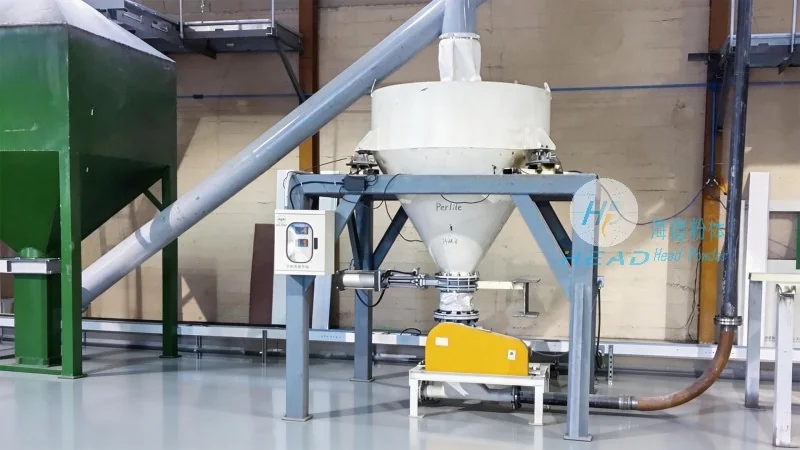
The gray calcium pneumatic conveying system comprises several essential parts, each designed to perform a specific function in the material handling process. The feeder is responsible for uniformly feeding the gray calcium into the conveying pipeline, ensuring a consistent flow rate. The conveying pipeline, usually made of stainless steel or other corrosion-resistant materials, transports the material and air mixture from the feeder to the separation unit. The gas source, which can be a compressor or a blower, provides the necessary pressure and volume of air or gas to drive the material through the system. The separation unit, often a cyclone or a bag filter, separates the gray calcium particles from the air stream, allowing the clean air to be recycled and the material to be collected in the receiver. The receiver is a storage container that collects the conveyed gray calcium, ready for further processing or use.
Design Considerations for Optimal Performance
When designing a gray calcium pneumatic conveying system, several factors must be considered to ensure optimal performance and longevity. One of the most critical considerations is the material's flow characteristics, particularly its tendency to agglomerate or clog the system. Gray calcium, being a fine powder, can be prone to bridging or sticking to the pipe walls, which can lead to blockages. To mitigate this, designers may incorporate features such as vibration or agitation in the feeder and use smooth, non-stick pipe surfaces. Another important factor is the pressure drop along the pipeline, which increases with the length and number of bends or fittings. Engineers must calculate the total pressure loss to determine the required air pressure and ensure that the system can maintain the necessary velocity to keep the particles suspended. Additionally, the system's layout and the placement of components must be optimized to minimize the overall pressure drop and energy consumption.
Applications and Advantages in Industrial Settings
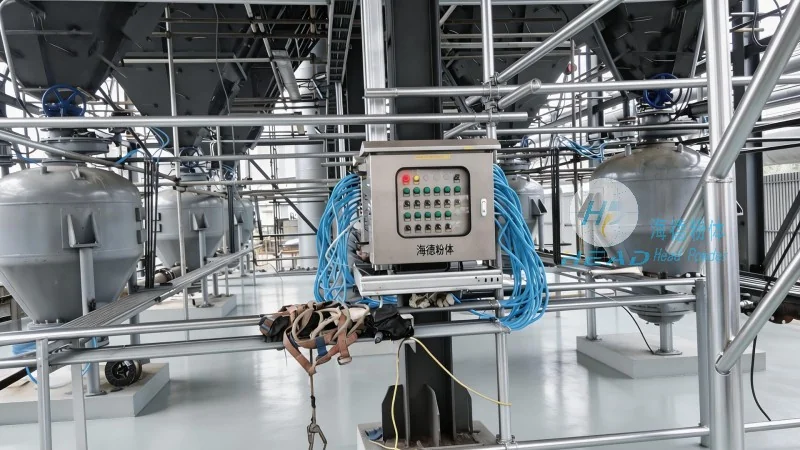
Gray calcium pneumatic conveying systems are widely applied in various industrial settings due to their versatility and efficiency. In the construction industry, they are used to transport gray calcium, which is a key ingredient in cement and other building materials, from storage silos to production lines. In chemical processing, they help move powders such as calcium carbonate or other additives in pharmaceutical and food production facilities. The advantages of using a pneumatic conveying system for gray calcium include the ability to transport materials over long distances without the need for intermediate storage or handling, reduced dust generation compared to mechanical conveying methods, and improved safety by eliminating the need for manual handling of powders. Furthermore, the system can be easily integrated with other production equipment, allowing for automated and continuous material flow.
Maintenance and Operational Tips
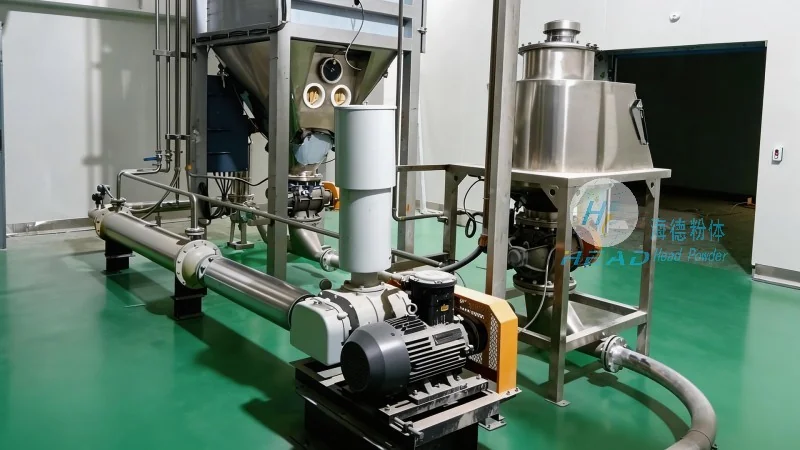
To ensure the long-term reliability and efficiency of a gray calcium pneumatic conveying system, regular maintenance and proper operation are essential. Routine checks should be performed on all components, including the feeder, to check for wear and tear, and to ensure that the material is being fed consistently. The conveying pipeline should be inspected for any signs of clogging or damage, and cleaned as needed to maintain optimal flow. The separation unit, such as a cyclone, should be checked for efficiency and cleaned regularly to prevent the buildup of material that could reduce its performance. The gas source should be monitored for pressure and flow rate, and maintained to ensure it operates within the specified parameters. By following these maintenance practices, the system can operate at peak efficiency, minimizing downtime and reducing the risk of material loss or contamination.
Conclusion
A gray calcium pneumatic conveying system is a sophisticated piece of equipment that leverages the principles of fluid dynamics to efficiently transport fine powders like gray calcium. Designed and manufactured by companies such as Shandong HeadPowder Engineering Co., Ltd., these systems offer significant advantages over traditional mechanical conveying methods, including improved efficiency, reduced dust, and enhanced safety. By understanding the core design principles and considering the specific requirements of the material being conveyed, engineers can design a system that meets the needs of various industrial applications. With proper maintenance and operation, a gray calcium pneumatic conveying system can provide reliable and cost-effective material handling solutions for years to come.




