White clay, a critical raw material across multiple industrial sectors, demands specialized equipment for efficient handling and transportation. This article examines the types of white clay material handling equipment and explores the core design principles that enable their functionality. Understanding these elements is essential for industries reliant on consistent material flow, particularly in ceramics, paper manufacturing, and chemical processing.
Introduction to White Clay Material Handling Equipment
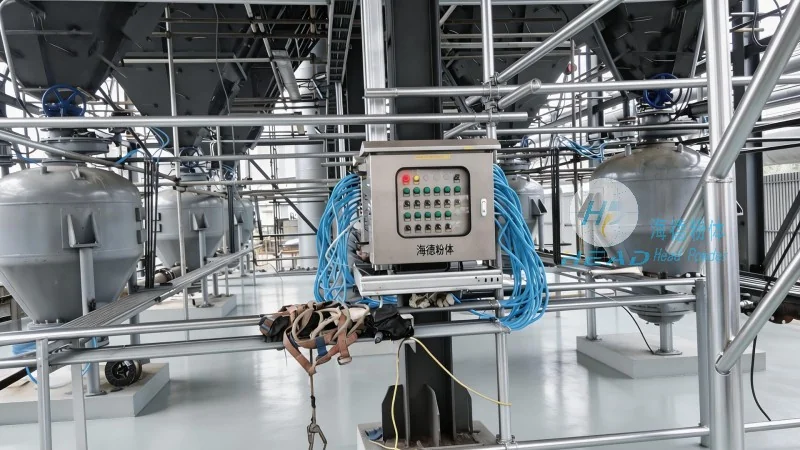
White clay material handling equipment is engineered to manage the movement of this material from storage to processing units. These systems are vital for maintaining production efficiency and ensuring the quality of end products. The equipment typically includes components such as conveyors, feeders, and storage silos, each designed to address the unique properties of white clay—including its moisture content, particle size, and flow characteristics.
Key Components of White Clay Material Handling Systems
The fundamental components of white clay material handling equipment are tailored to overcome the challenges posed by this material. For instance, conveyors are commonly used to transport white clay over short to medium distances, with options like belt conveyors or screw conveyors selected based on specific application needs. Feeders, such as rotary or vibratory feeders, regulate the flow of white clay into processing machinery, preventing overloading and ensuring a steady supply. Storage silos are also essential, as they help maintain consistent moisture levels and prevent material degradation during storage.
Design Principles for Efficient White Clay Handling
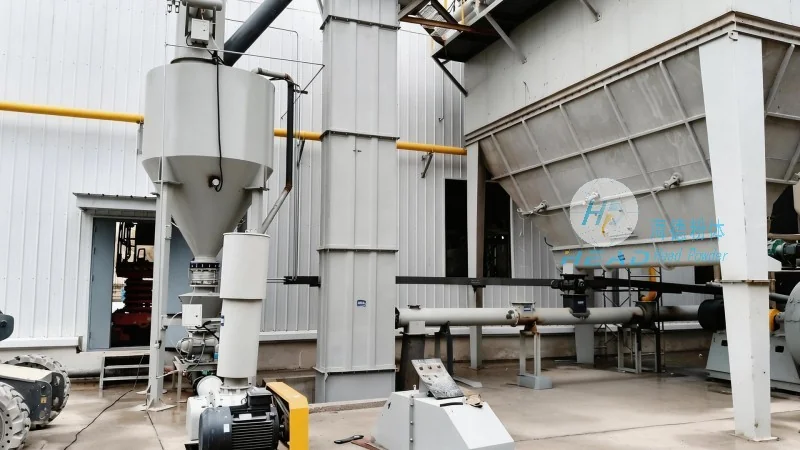
The design of white clay material handling equipment is guided by several key principles to ensure optimal performance. First, material compatibility is paramount. Components must be resistant to the chemical and physical properties of white clay, such as its abrasive nature and potential moisture content. This often involves using materials like stainless steel or specialized coatings to prevent wear and corrosion. Second, flow optimization is critical. The equipment is designed to minimize friction and maintain a consistent flow rate, which helps prevent blockages and ensures smooth operation. Additionally, space efficiency is considered, as many industrial settings have limited space, requiring compact yet effective solutions.
Application of White Clay Material Handling Equipment
White clay material handling equipment is widely utilized in industries where white clay is a primary ingredient. In the ceramics industry, for example, these systems ensure that white clay is delivered to kilns and mixing units in the right quantities and conditions, directly impacting the quality of ceramic products. In the paper manufacturing sector, white clay is used as a filler to improve paper brightness and smoothness, and the handling equipment must maintain the clay's particle size distribution to achieve the desired paper properties. Similarly, in chemical processing, white clay is used as a filter aid or adsorbent, and the handling equipment must ensure the material is free from contaminants and delivered to reactors or filters without interruption.
Advantages of Professional White Clay Material Handling Solutions
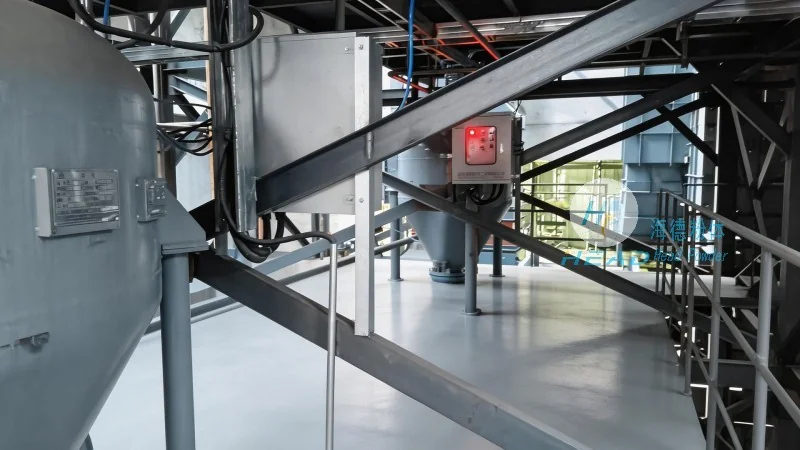
Implementing specialized white clay material handling equipment offers several advantages for industrial operations. Firstly, it enhances production efficiency by reducing downtime caused by material blockages or uneven flow. Secondly, it improves product quality by maintaining consistent material properties, which is critical in applications where variations can affect final product performance. Thirdly, it increases safety by minimizing manual handling of bulk materials, reducing the risk of accidents and exposure to dust or other hazards. Lastly, it provides cost savings over time by extending the lifespan of equipment through proper material handling and reducing the need for frequent maintenance or repairs.
Conclusion and Company Overview
White clay material handling equipment plays a vital role in modern industrial processes, and understanding its design principles is essential for optimizing material flow and production outcomes. Companies like Shandong HeadPowder Engineering Co., Ltd., branded as headpowder, specialize in developing and manufacturing such equipment tailored to the specific needs of various industries. Based in Shandong, China, headpowder leverages years of experience to design systems that are efficient, reliable, and durable, ensuring that clients can meet their production targets while maintaining high standards of quality and safety.




