Automatic quantitative material handling equipment is a specialized industrial device designed to precisely measure and transport bulk materials with high accuracy and efficiency. This equipment plays a crucial role in various industries, including pharmaceuticals, food processing, chemicals, and manufacturing, where consistent and controlled material flow is essential for production quality and safety. The primary function of such equipment is to ensure that materials are delivered in exact quantities, eliminating human error and improving overall operational consistency.
Key Features and Applications
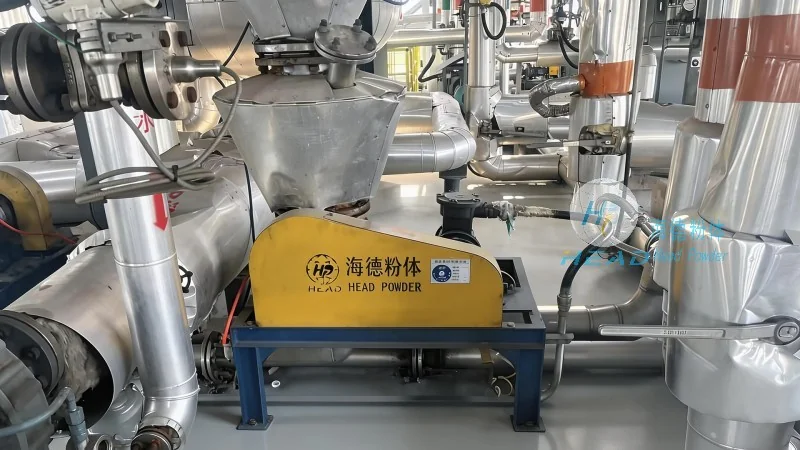
These systems are engineered to handle a wide range of materials, from powders and granules to liquids and solids, with the ability to adjust output rates based on specific requirements. The equipment typically integrates sensors, control systems, and mechanical components to achieve precise dosing and transport. In pharmaceutical manufacturing, for example, automatic quantitative material handling equipment is vital for ensuring the correct dosage of active ingredients, while in food processing, it helps maintain consistent product quality by controlling the amount of additives or ingredients added to products. The versatility of these systems makes them indispensable in modern industrial settings, where efficiency and reliability are paramount.
Design Principles of Automatic Quantitative Material Handling Equipment
The design of automatic quantitative material handling equipment is based on several fundamental principles that ensure accuracy and reliability. One of the core design elements is the use of precision measurement mechanisms, such as load cells, volumetric meters, or gravimetric scales, which provide real-time data on the material being handled. These sensors transmit information to a control unit, which adjusts the flow rate or quantity of material being transported. The control unit may use feedback loops to maintain consistent output, even when faced with variations in material density or flow rate. Additionally, the equipment often incorporates automated feeding mechanisms, such as screw conveyors, belt conveyors, or pneumatic systems, which are synchronized with the measurement devices to ensure smooth and continuous material transport.
Components and Working Mechanism
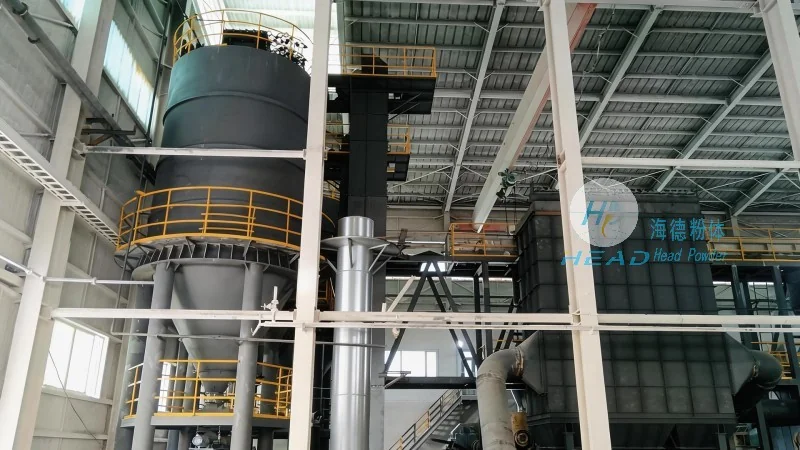
Automatic quantitative material handling equipment consists of several key components that work in tandem to achieve precise material handling. The primary components include a hopper or feed hopper, which stores the bulk material, a feeding mechanism (e.g., screw or auger) that moves the material from the hopper to the measurement unit, and a measurement device (e.g., gravimetric scale or volumetric meter) that determines the exact quantity of material to be dispensed. The control system, often a programmable logic controller (PLC) or a computer-based system, processes the data from the measurement device and sends signals to the feeding mechanism to adjust the flow rate. For example, in a gravimetric system, the scale measures the weight of the material being discharged and adjusts the feeding speed to maintain a constant weight per unit time. This closed-loop control system ensures that the output remains consistent, regardless of changes in material properties or system conditions.
Advantages of Using Automatic Quantitative Material Handling Equipment
Implementing automatic quantitative material handling equipment offers numerous advantages for industrial operations. First, it significantly reduces human error, as the equipment operates based on precise measurements and automated controls, eliminating the variability associated with manual handling. This leads to improved product consistency and quality, which is critical in industries where regulatory compliance is mandatory. Second, these systems enhance operational efficiency by automating the material handling process, reducing downtime and increasing production throughput. The ability to adjust output rates quickly allows manufacturers to respond to changing production demands without significant reconfiguration. Third, automatic quantitative material handling equipment improves safety in the workplace by minimizing the need for manual handling of heavy or hazardous materials. The automated process reduces the risk of accidents and exposure to harmful substances, contributing to a safer working environment. Finally, these systems can help reduce material waste by ensuring that only the exact amount of material needed is used, leading to cost savings and environmental benefits.
Customization and Integration with Existing Systems
Automatic quantitative material handling equipment can be customized to meet the specific needs of different industries and applications. Manufacturers often offer options to integrate these systems with existing production lines, such as conveyor systems, packaging machines, or processing equipment. This integration allows for seamless material flow and enhances overall system efficiency. For instance, in a pharmaceutical manufacturing line, the automatic quantitative material handling equipment can be connected to a tablet press or a capsule filling machine, ensuring that the correct amount of active ingredient is added to each batch. Customization may also include adjustments to the measurement range, material compatibility (e.g., handling corrosive or abrasive materials), and control interfaces (e.g., integration with a factory automation system). By tailoring the equipment to specific requirements, companies can optimize their production processes and achieve better results.
Case Study: Application in Pharmaceutical Manufacturing
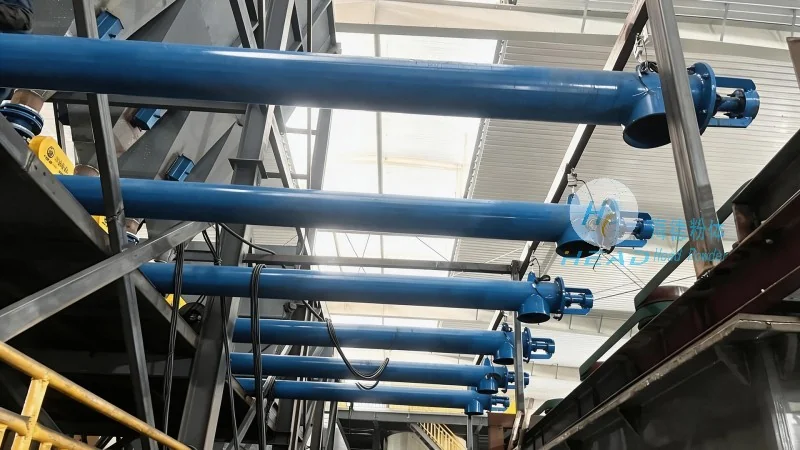
Consider a pharmaceutical company that produces oral solid dosage forms. The company uses automatic quantitative material handling equipment to handle and dispense active pharmaceutical ingredients (APIs) and excipients. The equipment is designed to measure and transport precise amounts of APIs, ensuring that each tablet contains the correct dosage. The system integrates with the company's existing production line, including a granulation unit and a tablet press. The automatic quantitative material handling equipment ensures that the API is added in the exact proportion required, reducing the risk of underdosing or overdosing, which can affect the efficacy and safety of the medication. The consistent output from the equipment also helps maintain batch-to-batch uniformity, which is crucial for regulatory compliance. In this case, the use of automatic quantitative material handling equipment has improved the company's production efficiency by reducing the time required for material handling and minimizing the need for manual adjustments. It has also enhanced product quality by ensuring that each batch meets the required specifications.
Conclusion and Future Trends
Automatic quantitative material handling equipment is a critical component in modern industrial operations, providing precise and efficient material handling solutions. The design principles and components of these systems are continuously evolving to meet the increasing demands for accuracy, efficiency, and safety in various industries. As technology advances, we can expect to see further integration of automation and digitalization in these systems, leading to even more sophisticated and reliable equipment. Companies like Shandong HeadPowder Engineering Co., Ltd., based in China, are at the forefront of developing and manufacturing such equipment, offering customized solutions tailored to the specific needs of their clients. By leveraging the expertise of such manufacturers, industries can enhance their production processes, improve product quality, and achieve greater operational efficiency. The future of automatic quantitative material handling equipment looks promising, with continued innovation driving its adoption in more sectors and applications.




