

What is an Oxidized Iron Material Handling System? What Are Its Design Principles?
When it comes to industrial material handling, the design and implementation of efficient systems are crucial for optimizing production processes. One such specialized system is the oxidized iron material handling system, which plays a vital role in the transportation and management of oxidized iron materials. This article aims to provide a comprehensive overview of what this system entails and the underlying design principles that govern its operation.
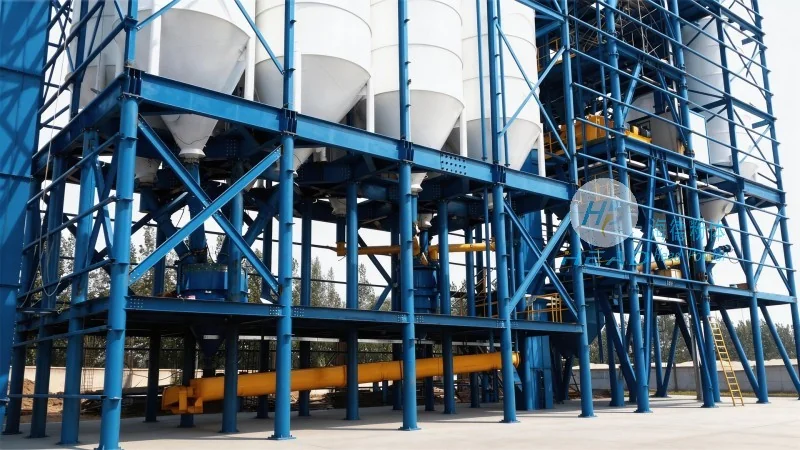
Introduction to Oxidized Iron Material Handling Systems
Oxidized iron, often referred to as rusted iron or iron oxide, is a common byproduct in various industrial applications, including steel production, metal processing, and recycling operations. The efficient handling of these materials is essential to maintain operational efficiency and ensure safety in industrial environments. The oxidized iron material handling system is specifically engineered to address the unique challenges associated with transporting and processing these materials, which typically have a higher density and different physical properties compared to other bulk materials.
Key Components and Structure of the System
The oxidized iron material handling system typically consists of several key components that work in tandem to ensure smooth material flow. These components may include feed hoppers, conveyor belts, magnetic separators, and discharge mechanisms. The feed hopper is designed to receive the oxidized iron material from a storage silo or a raw material source, ensuring a consistent flow of material into the system. The conveyor belt, often equipped with specialized materials to prevent wear and tear from the abrasive nature of oxidized iron, transports the material through the system. Magnetic separators are integrated to remove any ferromagnetic impurities, which is critical for maintaining the purity of the final product or preventing damage to downstream equipment. The discharge mechanism, such as a screw conveyor or a bucket elevator, then transports the processed material to its final destination, such as a storage bin or a processing unit.
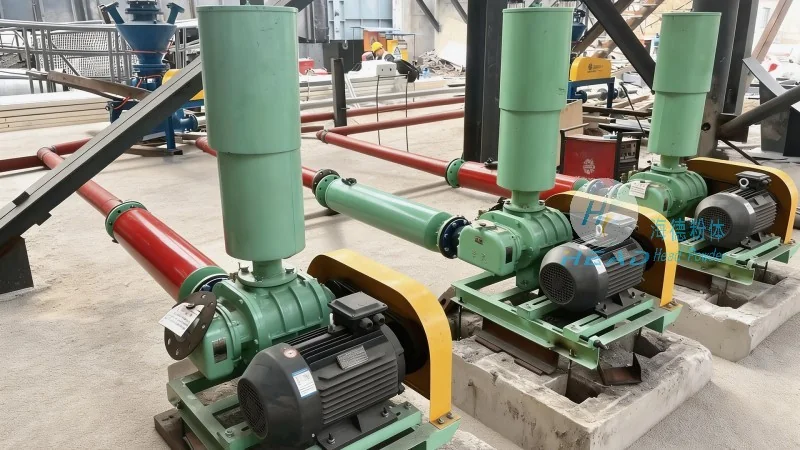
Design Principles for Optimal Performance
The design of an oxidized iron material handling system is guided by several key principles aimed at maximizing efficiency, safety, and durability. One of the primary principles is the consideration of material properties. Since oxidized iron is abrasive and can cause significant wear on equipment, the system is designed with robust components, such as heavy-duty conveyor belts and reinforced metal structures, to withstand the harsh conditions. Another critical principle is the optimization of material flow. The system is engineered to minimize bottlenecks and ensure a continuous flow of material, which is achieved through the use of appropriate conveyor speeds, hopper sizes, and discharge mechanisms. Additionally, the design incorporates safety features, such as emergency stop buttons and protective guards, to prevent accidents and ensure the safety of operators. The system is also designed for easy maintenance, with accessible components that allow for quick repairs and replacements, reducing downtime and maintenance costs.
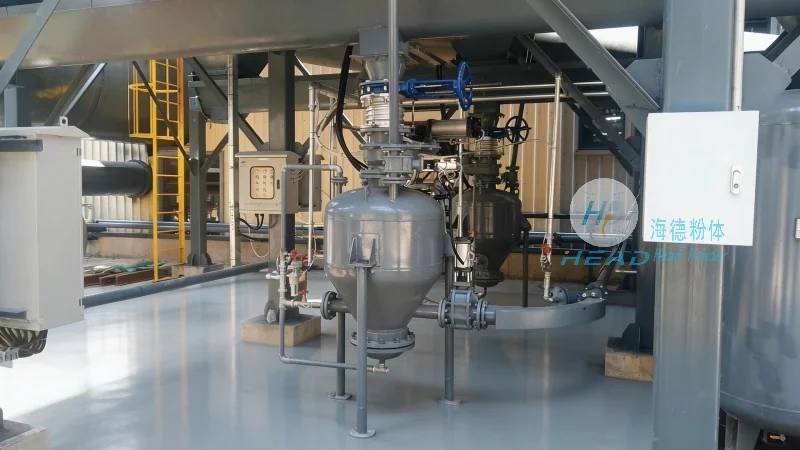
Applications and Benefits of the Oxidized Iron Material Handling System
The oxidized iron material handling system finds applications in various industries, including steel manufacturing, metal recycling, and mining operations. In steel manufacturing, the system is used to transport and process oxidized iron from raw material storage to the production line, ensuring a steady supply of material for the manufacturing process. In metal recycling, the system helps in the separation and processing of oxidized iron from other waste materials, enabling the recycling of iron and reducing environmental impact. The benefits of this system include improved operational efficiency, reduced labor costs, and enhanced safety in industrial settings. By automating the material handling process, the system minimizes the need for manual labor, which reduces the risk of accidents and improves productivity. Additionally, the system's design ensures that the material is handled in a controlled manner, preventing dust emissions and maintaining a clean working environment.
About Shandong HeadPowder Engineering Co., Ltd.
Shandong HeadPowder Engineering Co., Ltd., commonly known as HeadPowder, is a leading provider of industrial material handling solutions. With a strong commitment to quality and innovation, HeadPowder specializes in designing and manufacturing customized material handling systems tailored to the specific needs of its clients. The company's expertise lies in the development of efficient and reliable systems for handling various bulk materials, including oxidized iron. HeadPowder's team of engineers and technicians work closely with clients to understand their operational requirements and design systems that meet their specific needs. The company's products are known for their durability, efficiency, and safety features, making them a trusted choice in the industry. HeadPowder is headquartered in Shandong, China, and serves clients both domestically and internationally, providing comprehensive support and after-sales service to ensure customer satisfaction.