For those in the food processing industry, especially those dealing with oat flour, having the right equipment for material handling is crucial. Oat flour material handling equipment is specifically designed to manage the flow, storage, and transfer of oat flour efficiently and safely. This equipment is essential for maintaining product quality, ensuring operational efficiency, and meeting production demands. Understanding what these systems are and how their design principles function can help businesses make informed decisions about their material handling solutions.
Understanding Oat Flour Material Handling Equipment
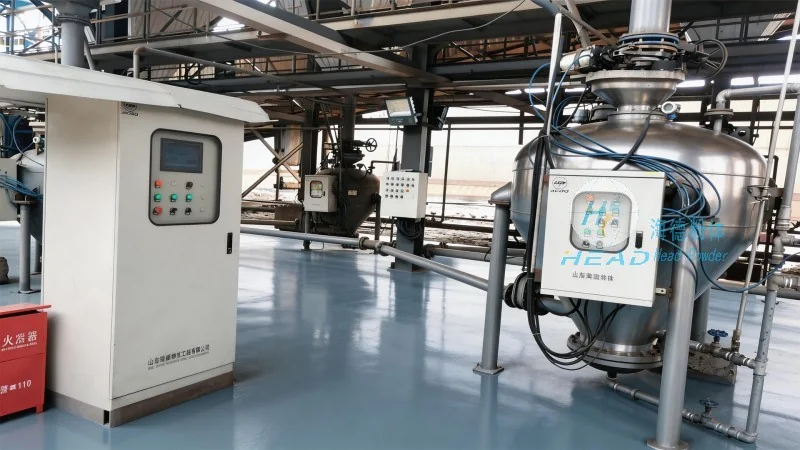
Oat flour material handling equipment encompasses a range of machinery and systems used to handle oat flour from raw material reception to final product packaging. These systems are tailored to the unique properties of oat flour, which can vary in moisture content, particle size, and flow characteristics. The primary goal of such equipment is to ensure that oat flour is moved with minimal degradation, contamination, or loss. This includes handling bulk quantities as well as handling in smaller, more controlled environments. The equipment may include conveyors, elevators, storage silos, and feeding systems, all designed to work together seamlessly to support the production process.
Key Design Principles for Oat Flour Material Handling Equipment
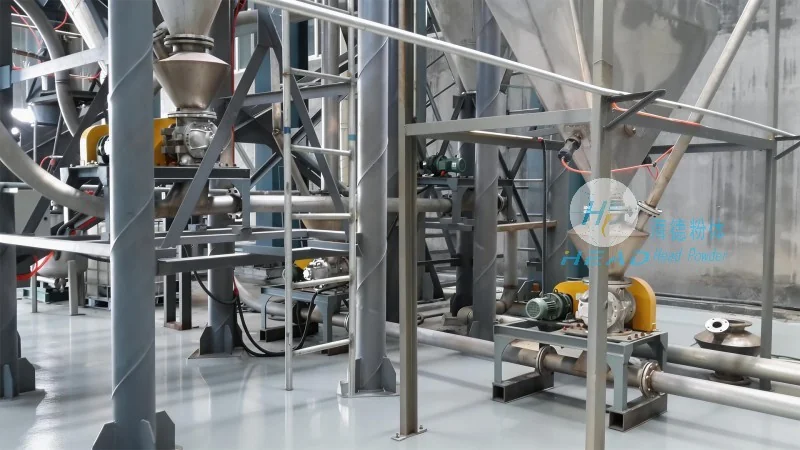
The design of oat flour material handling equipment is guided by several key principles to ensure optimal performance. First, the equipment must be designed to handle the specific physical properties of oat flour. Oat flour can be prone to bridging, caking, or segregation, which can impede flow and cause blockages. Therefore, equipment design often incorporates features like agitators, vibrators, and aerators to prevent these issues. Second, the equipment must prioritize hygiene and sanitation, as oat flour is a food product and must comply with strict food safety regulations. Materials used in the construction of the equipment, such as stainless steel, are common to ensure easy cleaning and prevent contamination. Third, efficiency and energy conservation are important design considerations. The equipment should minimize energy consumption while maximizing throughput and reducing downtime. This may involve using variable speed drives, efficient motor designs, and optimized system layouts. Finally, the design must consider scalability and adaptability. As production needs change, the equipment should be able to accommodate increased volumes or different product types without major modifications.
Components of Oat Flour Material Handling Systems
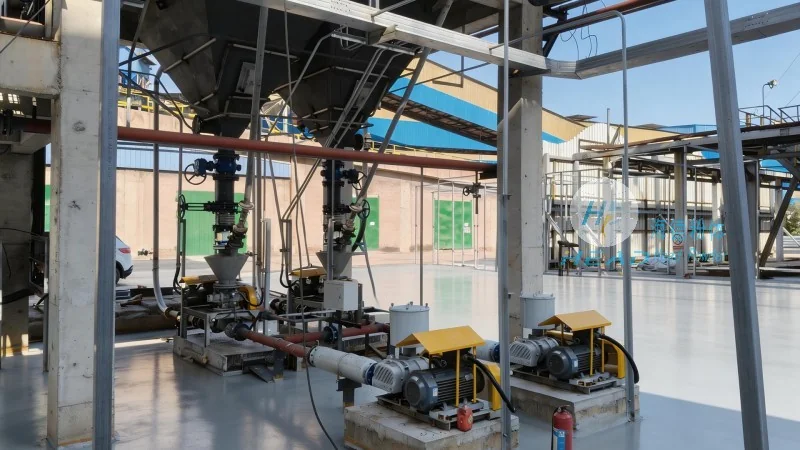
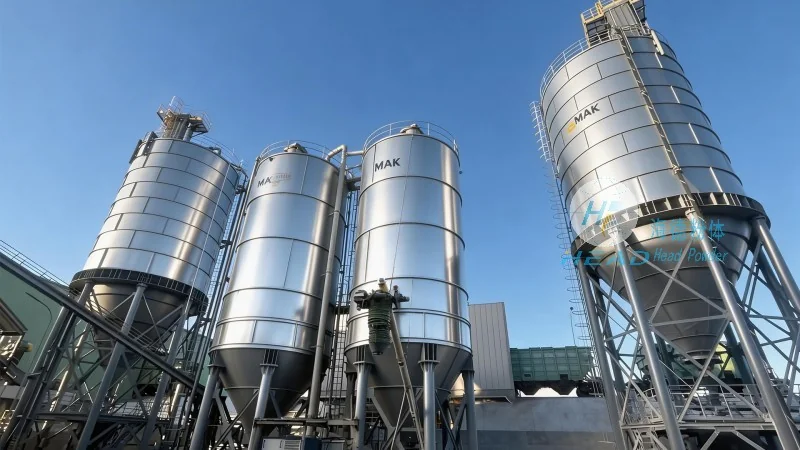
Typical oat flour material handling systems consist of several interconnected components, each playing a vital role in the overall operation. The first component is often a reception and storage system. This may include a receiving hopper or silo where raw oat flour is stored before processing. The storage system is designed to protect the flour from moisture, pests, and other environmental factors. From the storage silo, the flour is transferred to the processing area using a conveyor or elevator system. These systems may include belt conveyors, screw conveyors, or pneumatic conveyors, depending on the specific needs of the operation. The conveyor system is responsible for moving the flour from the storage area to the milling or blending equipment. Another critical component is the feeding system, which controls the flow of flour from the conveyor to the processing machinery. This system may include feeders like rotary valves or vibratory feeders, which regulate the flow rate and ensure a consistent feed to the processing equipment. Finally, the system may include a dust collection and control system to manage airborne particles and maintain a safe working environment.
Benefits of Using Specialized Oat Flour Material Handling Equipment
Investing in specialized oat flour material handling equipment offers numerous benefits for food processing businesses. First, it improves operational efficiency by ensuring a smooth and continuous flow of materials. This reduces downtime and increases overall production capacity. Second, it enhances product quality by minimizing the risk of contamination, degradation, or segregation. This is crucial for maintaining the nutritional and sensory properties of oat flour. Third, it improves workplace safety by reducing the need for manual handling of bulk materials, which can be heavy and difficult to manage. The equipment also helps in maintaining a clean and organized workspace, which is essential for food safety compliance. Finally, specialized equipment can lead to cost savings over time by reducing waste, energy consumption, and maintenance costs. By investing in the right equipment, businesses can achieve long-term operational benefits and maintain a competitive edge in the market.
Conclusion
Oat flour material handling equipment is a critical component of any food processing operation that deals with oat flour. The design of these systems is based on principles that address the unique properties of oat flour, prioritize hygiene and safety, and aim for operational efficiency. By understanding the components and benefits of such equipment, businesses can make informed decisions to improve their production processes and meet market demands. For those seeking reliable and efficient material handling solutions, Shandong HeadPowder Engineering Co., Ltd. offers specialized equipment designed to meet the specific needs of oat flour processing. With a focus on quality and performance, HeadPowder provides systems that enhance operational efficiency, product quality, and workplace safety. Based in Shandong, China, HeadPowder has established itself as a trusted provider of material handling solutions for the food industry.




