HeadPowder, a leading engineering firm based in Shandong, China, specializes in the design and implementation of advanced pneumatic conveying systems tailored for glucose powder. This article delves into the fundamental principles and operational mechanics of such systems, highlighting their efficiency and reliability in handling fine powders like glucose.
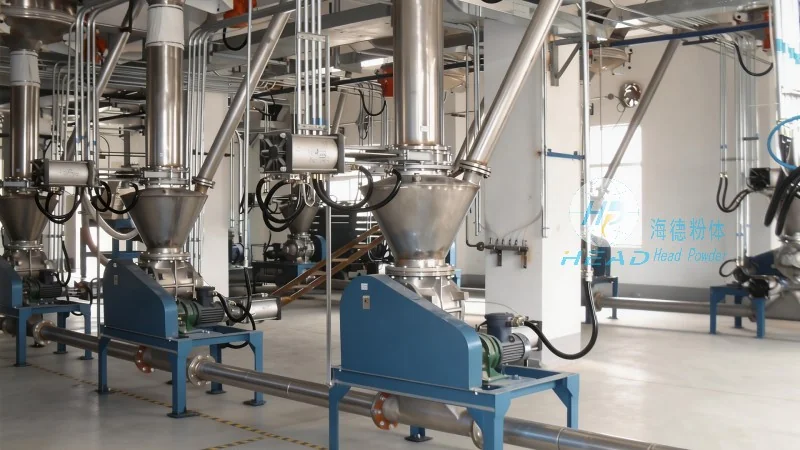
Core Components of Pneumatic Conveying Systems
A pneumatic conveying system for glucose powder typically consists of several key components that work in tandem to ensure smooth material transport. The primary elements include a hopper or feeder to store and meter the powder, a conveying line (often equipped with a pipeline and possibly a pressure vessel), a blower or compressor to generate the necessary air flow, and a receiver or discharge unit to collect the conveyed material. Each component plays a critical role in maintaining the system's performance and preventing issues like blockages or material degradation.
Working Principle of Pneumatic Conveying
The fundamental principle behind pneumatic conveying is the use of air or gas to transport solid particles through a pipeline. In the case of glucose powder, the system operates by creating a pressure differential between the feeding point and the discharge point. The blower generates a flow of air that draws the glucose powder from the hopper into the conveying line. As the powder is entrained by the air stream, it travels through the pipeline to the receiver. The air then either is discharged to the atmosphere or is recycled back into the system, depending on the design. This method allows for a continuous, closed-loop operation that minimizes dust exposure and environmental impact.
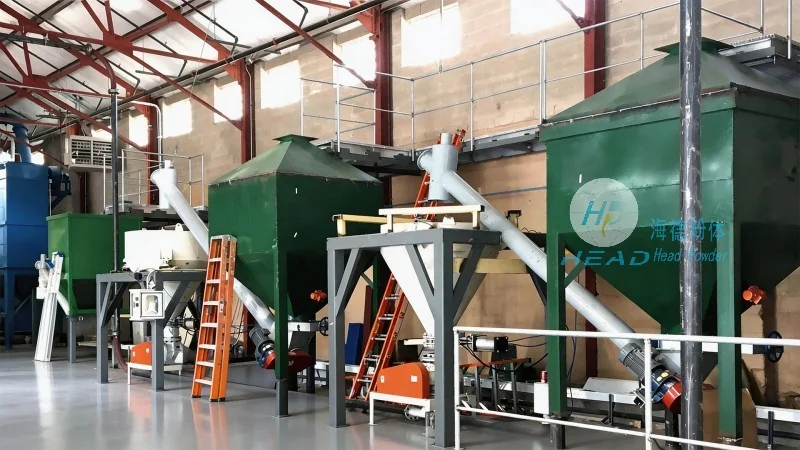
Advantages of Pneumatic Conveying for Glucose Powder
Implementing a pneumatic conveying system for glucose powder offers numerous advantages over traditional methods like belt conveyors or manual handling. One of the most significant benefits is the ability to handle fine, dusty powders without generating excessive dust, which is crucial for maintaining a clean and safe working environment. Additionally, pneumatic systems provide high transport efficiency, with minimal material loss and reduced risk of contamination. They also offer flexibility in system layout, allowing for vertical, horizontal, or mixed (vertical and horizontal) conveying paths to suit different plant configurations. The closed-loop design further enhances energy efficiency by recycling air, reducing operational costs over time.
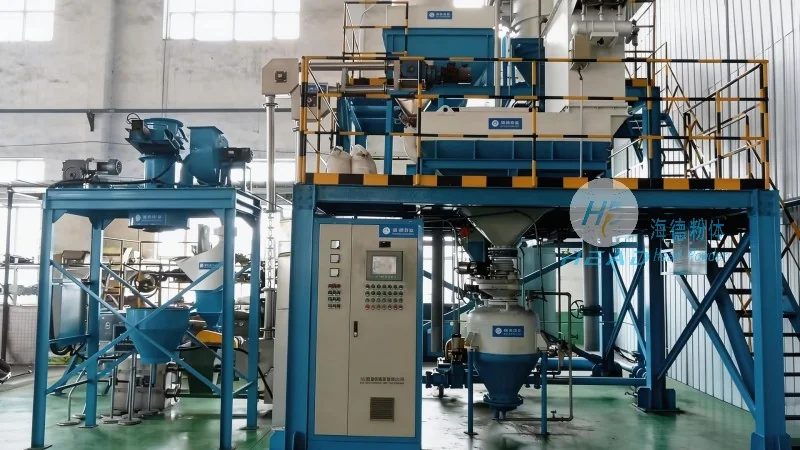
System Design Considerations for Glucose Powder Handling
When designing a pneumatic conveying system for glucose powder, several factors must be carefully considered to ensure optimal performance and longevity. Particle size and density are critical parameters, as they affect the air velocity required for effective transport. The system's capacity and the distance between the feeding and discharge points also influence the choice of blower size and pipeline diameter. Material properties, such as moisture content and flowability, are also important, as they can impact the system's ability to handle the powder without clogging. HeadPowder engineers take these factors into account, using advanced computational fluid dynamics (CFD) and material flow analysis to design systems that meet specific customer requirements.
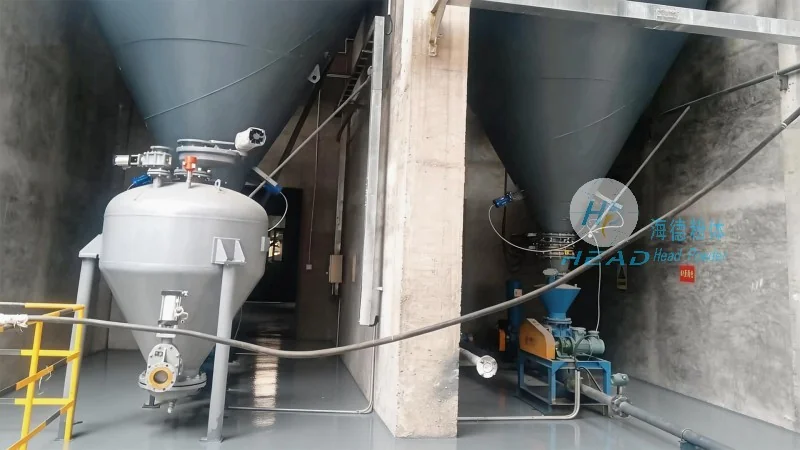
Applications and Industries
Pneumatic conveying systems for glucose powder are widely used in various industries, including pharmaceuticals, food processing, and chemical manufacturing. In the pharmaceutical sector, these systems are essential for handling glucose powders used in drug formulations, ensuring that the material is transported without contamination or degradation. In food processing, they are used in the production of glucose syrups and other sweeteners, maintaining product quality and safety. The chemical industry also benefits from these systems when handling glucose derivatives or other fine powders, where precision and cleanliness are paramount.
Maintenance and Operational Tips
To ensure the longevity and efficiency of a pneumatic conveying system for glucose powder, regular maintenance is essential. This includes cleaning the pipeline and hopper to prevent buildup of powder, inspecting the blower and compressor for wear and tear, and checking the air filter for clogs. Proper operation, such as maintaining the correct air pressure and flow rate, also contributes to the system's performance. HeadPowder provides comprehensive maintenance services and technical support to help customers optimize their systems and minimize downtime.




