For industrial applications that require efficient and reliable material handling, polyester fiber pneumatic conveying machines have emerged as a popular solution. These systems are designed to transport bulk materials through a pipeline using air pressure, offering advantages such as low maintenance, flexibility, and the ability to handle a wide range of materials. In this article, we will explore what these machines are and delve into their design principles, providing a comprehensive overview for those interested in understanding their functionality and applications.
Understanding the Core Components of a Polyester Fiber Pneumatic Conveying System
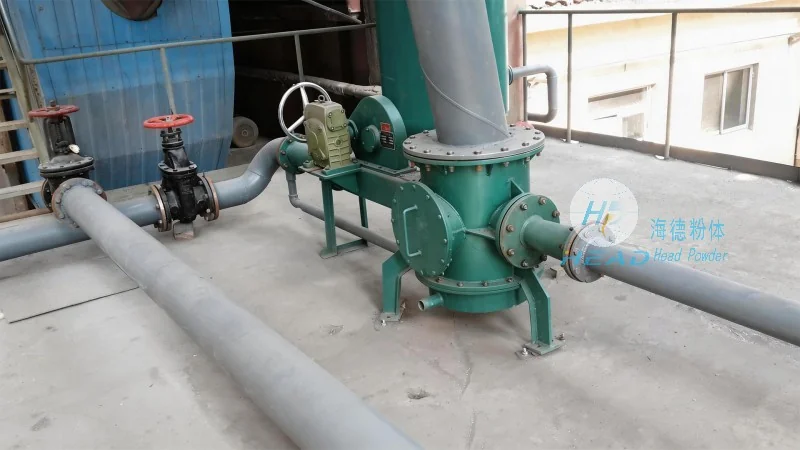
A polyester fiber pneumatic conveying machine typically consists of several key components that work together to ensure smooth material transport. The primary parts include a hopper for material storage, a blower or air compressor to generate the necessary air pressure, a pipeline system for material movement, and a receiver or discharge hopper where the material is collected. The polyester fiber elements, often in the form of flexible hoses or ducts, are integrated into the pipeline to enhance the system's performance, particularly in handling abrasive or delicate materials. Each component plays a crucial role in the overall operation, and their design is optimized to minimize friction, reduce material degradation, and ensure consistent flow rates.
Design Principles Behind Polyester Fiber Pneumatic Conveying Machines
The design of polyester fiber pneumatic conveying machines is guided by several fundamental principles aimed at maximizing efficiency and durability. One of the key principles is the use of flexible polyester hoses, which are chosen for their high tensile strength, resistance to abrasion, and flexibility. These hoses can withstand repeated bending and flexing without compromising their integrity, making them ideal for long-term use in industrial settings. Another critical design principle is the optimization of air pressure and flow rates. Engineers carefully calculate the required air velocity to ensure that the material particles are entrained and transported effectively without causing excessive wear on the system components. The system is also designed with considerations for material compatibility, ensuring that the polyester fibers do not react with the materials being conveyed, thus maintaining product purity and quality.
Advantages of Polyester Fiber Pneumatic Conveying Machines
Compared to traditional mechanical conveying systems, polyester fiber pneumatic conveying machines offer several distinct advantages. One of the most significant benefits is their ability to handle a wide variety of materials, including powders, granules, and even fine particles. The flexible hoses can accommodate irregular shapes and sizes, making them suitable for diverse industrial applications. Additionally, these systems are relatively low in maintenance, as they have fewer moving parts compared to belt or screw conveyors. This reduces downtime and operational costs, making them a cost-effective solution for many businesses. Another advantage is their compact design, which allows for easy installation in limited spaces, and the ability to be customized to fit specific operational requirements. The use of polyester fibers also contributes to a quieter operation, as the flexible hoses absorb vibrations and reduce noise levels, improving the working environment.
Applications and Industries Using Polyester Fiber Pneumatic Conveying Machines
Polyester fiber pneumatic conveying machines are widely used across various industries due to their versatility and efficiency. In the pharmaceutical industry, for example, these systems are employed to transport sensitive powders and granules, ensuring that the materials remain uncontaminated and free from degradation. The food and beverage industry also benefits from these machines, as they can handle ingredients like flour, sugar, and spices without compromising their quality or safety. The chemical industry uses polyester fiber pneumatic conveying systems to transport abrasive powders and chemicals, protecting the equipment from wear and ensuring consistent material flow. Additionally, in the manufacturing sector, these machines are utilized for handling raw materials and finished products, streamlining production processes and improving overall efficiency. The adaptability of polyester fiber pneumatic conveying machines makes them a valuable asset in any industry that requires reliable and efficient material handling solutions.
Conclusion and Company Overview
In conclusion, polyester fiber pneumatic conveying machines are advanced industrial solutions designed to efficiently transport bulk materials using air pressure and flexible polyester hoses. Their design principles focus on durability, efficiency, and material compatibility, making them suitable for a wide range of applications. The systems offer numerous advantages over traditional conveying methods, including low maintenance, flexibility, and the ability to handle diverse materials. As a leading manufacturer in this field, Shandong HeadPowder Engineering Co., Ltd., based in China, specializes in the design, manufacturing, and supply of high-quality polyester fiber pneumatic conveying machines. With a commitment to quality and customer satisfaction, the company provides tailored solutions to meet the specific needs of various industries, ensuring reliable and efficient material handling for its clients. Whether for pharmaceutical, food, chemical, or manufacturing applications, polyester fiber pneumatic conveying machines from Shandong HeadPowder Engineering Co., Ltd. offer a reliable and effective solution for modern industrial requirements.




