Understanding the Potassium Carbonate Pneumatic Conveyor: Design Principles and Operational Insights
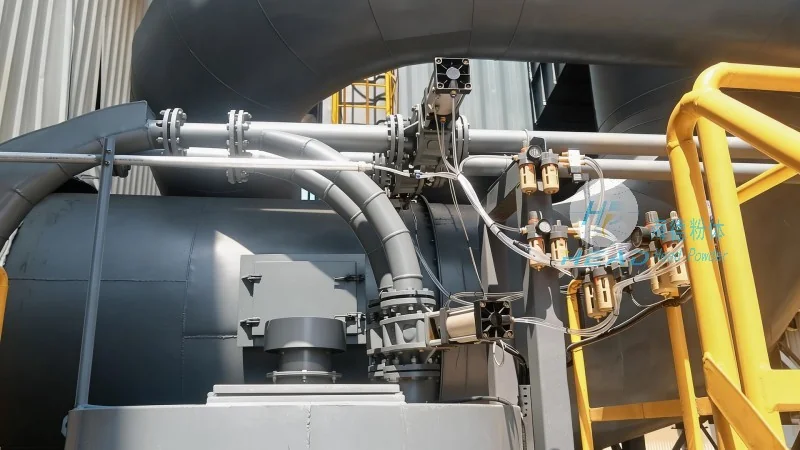
Introduction to Potassium Carbonate Pneumatic Conveying Systems
A Potassium Carbonate Pneumatic Conveyor is a specialized industrial equipment designed to transport potassium carbonate—a key chemical used in various industries such as food processing, pharmaceuticals, and chemical manufacturing—through a pneumatic system. This method of material handling relies on the force of compressed air to move bulk solids like potassium carbonate from one location to another, offering a flexible and efficient solution for handling this essential chemical. The system typically consists of a hopper, a conveying pipeline, and a receiver, with the entire process driven by air pressure. The design of such a conveyor is tailored to the specific properties of potassium carbonate, ensuring safe and effective transport while minimizing product degradation.
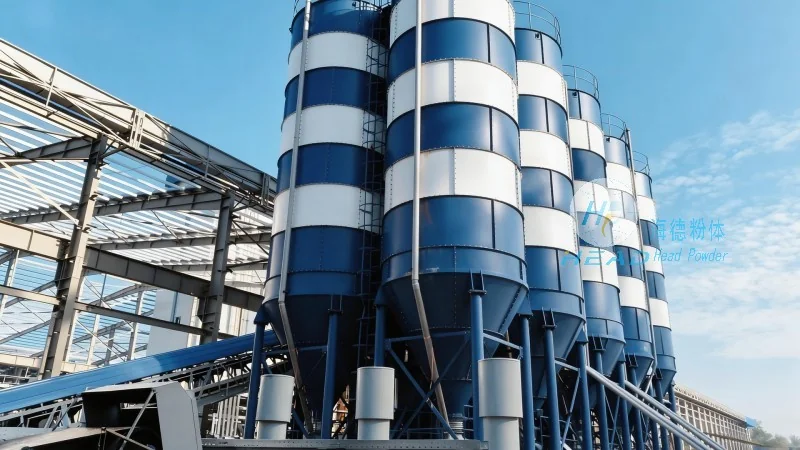
Key Design Principles of Potassium Carbonate Pneumatic Conveyors
The design of a Potassium Carbonate Pneumatic Conveyor is governed by several critical principles that ensure optimal performance and reliability. First, the system must be engineered to handle the physical characteristics of potassium carbonate, including its particle size, density, and flowability. The conveyor's components, such as the hopper and pipeline, are designed to prevent clogging and ensure smooth material flow. For example, the hopper is often equipped with a rotary valve or a star feeder to control the discharge of potassium carbonate, preventing blockages that could lead to system downtime. The pipeline diameter and length are carefully calculated based on the material's velocity and the required air pressure to maintain a consistent flow rate. Additionally, the system incorporates features like air filters and moisture separators to maintain the purity of the potassium carbonate, as any contamination could affect its quality for downstream applications. The design also considers the need for easy maintenance and cleaning, as the equipment is often used in environments where hygiene is critical, such as in food or pharmaceutical industries.
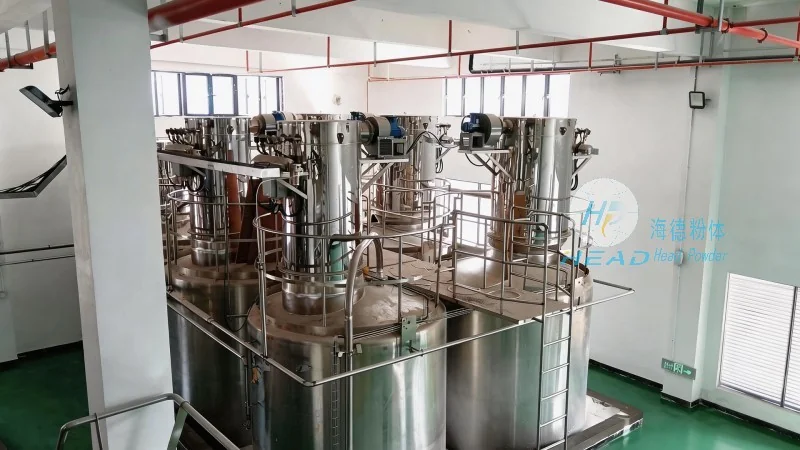
Components and Operational Mechanism
The operational mechanism of a Potassium Carbonate Pneumatic Conveyor involves several key components working in tandem. The process begins with the material being loaded into the hopper, where it is stored before being discharged into the conveying pipeline. A rotary valve or star feeder controls the flow of potassium carbonate from the hopper, ensuring a steady supply to the system. Compressed air is then introduced into the pipeline, creating a pressure differential that propels the material forward. The air velocity is carefully controlled to prevent the material from settling or clogging the pipeline. The conveyor's receiver collects the material at the destination, where it is discharged into a storage tank or processing equipment. The system may also include a vacuum or pressure mode, depending on the application, allowing for both forward and reverse transport of the material. The entire process is monitored by sensors and control systems that adjust air pressure and flow rates as needed to maintain optimal performance.
Benefits and Applications of Potassium Carbonate Pneumatic Conveyors
Using a Potassium Carbonate Pneumatic Conveyor offers several advantages over traditional material handling methods. One of the primary benefits is the ability to transport the material in a closed system, which helps maintain product purity and prevents contamination from external factors. This is particularly important for potassium carbonate, which is used in sensitive applications like food and pharmaceuticals. The system also reduces labor costs and improves safety by eliminating the need for manual handling of bulk materials. Additionally, the flexible design of pneumatic conveyors allows for easy integration into existing production lines, with the ability to change the conveying route or destination without major modifications. The system is also energy-efficient, as it uses compressed air to move the material, which can be more cost-effective than other methods like belt conveyors or elevators. In terms of applications, Potassium Carbonate Pneumatic Conveyors are widely used in the chemical industry for transporting raw materials and finished products. They are also used in food processing plants to move ingredients like potassium carbonate used in baking or as a food additive. The system's ability to handle varying flow rates and material types makes it a versatile solution for many industrial processes.
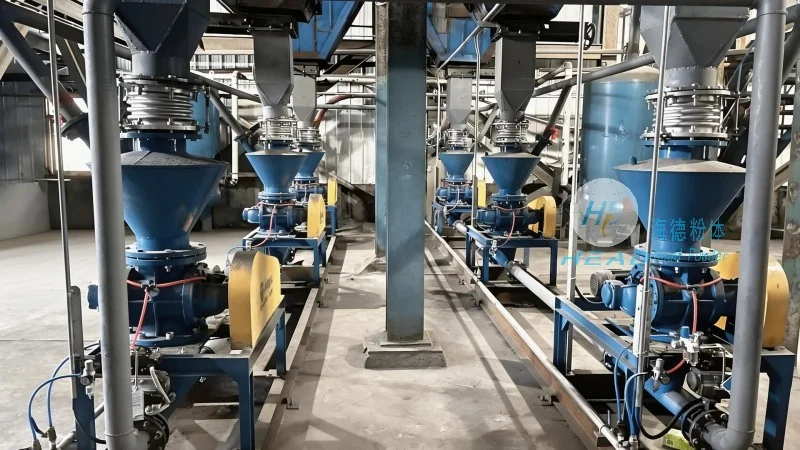
Customization and Maintenance Considerations
Due to the diverse applications of potassium carbonate, the design of pneumatic conveyors is often customized to meet specific customer requirements. For example, the system may be designed with different hopper sizes or pipeline configurations to accommodate varying production volumes. The material of construction, such as stainless steel or plastic, is selected based on the chemical compatibility of potassium carbonate with the equipment. Regular maintenance is crucial to ensure the longevity and efficiency of the conveyor. This includes cleaning the hopper and pipeline to prevent buildup of the material, checking the air filter and compressor for proper operation, and inspecting the rotary valve or star feeder for wear and tear. Proper maintenance can extend the life of the equipment and reduce downtime, which is essential for maintaining production efficiency. The manufacturer, Shandong HeadPowder Engineering Co., Ltd., based in China, specializes in designing and manufacturing customized pneumatic conveying systems tailored to the needs of their clients. Their expertise in material handling and chemical processing ensures that the conveyor systems they produce are reliable and efficient, meeting the high standards required for handling potassium carbonate and other sensitive materials.




