For industrial applications involving the transport of small pebbles or granular materials, pneumatic conveying systems offer efficient and reliable solutions. Among these, the pebble pneumatic conveying machine stands out as a specialized equipment designed to handle such materials with precision and effectiveness. This article explores the concept of a pebble pneumatic conveying machine, delving into its design principles and operational mechanisms to provide a comprehensive understanding of this technology.
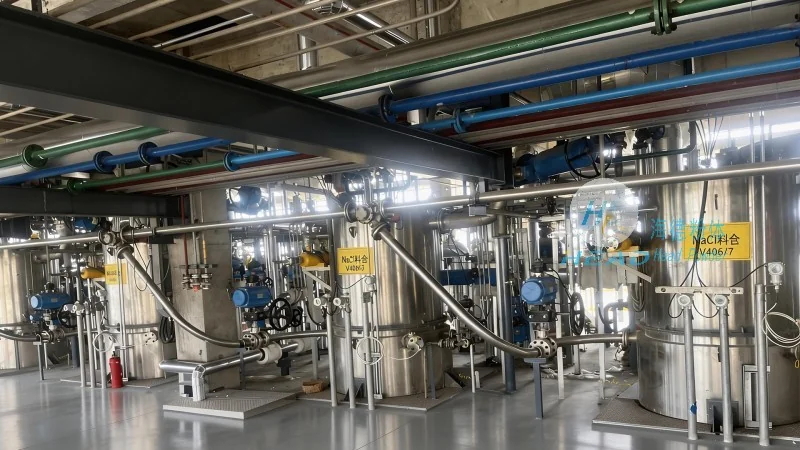
Introduction to Pebble Pneumatic Conveying Machines
A pebble pneumatic conveying machine is a type of pneumatic transport system engineered to move small, solid particles like pebbles, sand, or similar granular materials through a pipeline using compressed air or other gases. Unlike traditional mechanical conveyors, this system relies on the force of air to propel the material, making it ideal for applications where dust control, minimal material degradation, and flexibility in layout are critical. The technology is widely used in various industries, including mining, construction, and material processing, where the efficient handling of bulk materials is essential.
About HeadPowder: Your Trusted Provider of Pneumatic Conveying Solutions
HeadPowder, a leading manufacturer based in Shandong, China, specializes in the design, manufacturing, and supply of advanced pneumatic conveying equipment. With a strong commitment to quality and innovation, HeadPowder has established itself as a reliable partner for businesses seeking efficient material handling solutions. The company’s headquarters and main operations are located in Shandong, China, where it leverages local expertise and resources to deliver high-performance products tailored to diverse industrial needs.
Design Principles of Pebble Pneumatic Conveying Machines
The design of a pebble pneumatic conveying machine is centered around several key principles that ensure optimal performance and reliability. The primary design principle is the efficient utilization of air pressure to move the material through the system. This involves creating a pressure differential between the inlet and outlet of the conveying line, which propels the particles forward. The system typically consists of several components, including a hopper for material storage, a feeder to control the flow rate, a pipeline network, and a receiver for the discharged material.
One of the critical design considerations is the selection of the appropriate air velocity and pressure. The air velocity must be sufficient to lift and transport the pebbles without causing excessive wear on the system components or material degradation. This is achieved by calculating the required air flow rate based on the material's properties, such as particle size, density, and flowability. The design also incorporates features to minimize pressure losses and energy consumption, ensuring the system operates efficiently.
Key Components and Their Functions
The pebble pneumatic conveying machine comprises several key components, each playing a vital role in the overall operation. The hopper serves as the storage vessel, holding the pebbles before they are fed into the system. It is designed with a sloped bottom to facilitate smooth material flow into the feeder. The feeder, often a rotary valve or a screw feeder, controls the rate at which the material is introduced into the pipeline, ensuring a consistent flow rate that matches the system's capacity.
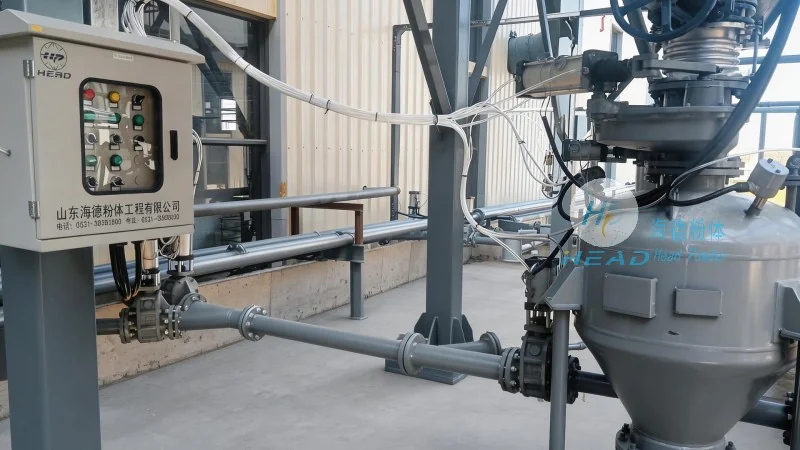
The pipeline is the main conduit for transporting the material, typically made of materials such as stainless steel or plastic to withstand the abrasive nature of the pebbles and the effects of air pressure. The pipeline is equipped with bends, elbows, and other fittings to direct the material along the desired path. The receiver, located at the end of the pipeline, collects the discharged material and may include a dust collection system to prevent environmental contamination.
Another crucial component is the air compressor or blower, which generates the compressed air needed to propel the material. The choice of compressor depends on the system's requirements, including the air volume and pressure needed to achieve the desired conveying velocity. The system may also include filters and moisture separators to maintain air quality and prevent damage to the equipment.
Operational Mechanism and Working Process
The operation of a pebble pneumatic conveying machine involves a series of steps that ensure the smooth transport of materials. The process begins with the material being loaded into the hopper. The feeder then regulates the flow of material into the pipeline, where it is mixed with the compressed air from the blower. The air and material mixture is then propelled through the pipeline by the pressure differential created by the compressor.
As the mixture travels through the pipeline, the air velocity remains high enough to keep the pebbles suspended and moving forward. The pipeline's design, including the use of bends and fittings, is optimized to minimize pressure losses and maintain the air velocity required for effective conveying. The receiver at the end of the pipeline collects the discharged material, which is then discharged into the target container or processing unit.
During operation, the system continuously monitors parameters such as air pressure, flow rate, and material level to ensure optimal performance. Any deviations in these parameters are detected and adjusted automatically to maintain the desired conveying conditions. This ensures consistent and reliable material transport, minimizing downtime and maximizing productivity.
Advantages of Pebble Pneumatic Conveying Machines
Pebble pneumatic conveying machines offer several advantages over traditional mechanical conveyors, making them a preferred choice for many industrial applications. One of the key advantages is the ability to handle abrasive materials without causing excessive wear on the system components. The use of compressed air to transport the material reduces the need for moving parts in contact with the material, thus extending the equipment's lifespan.
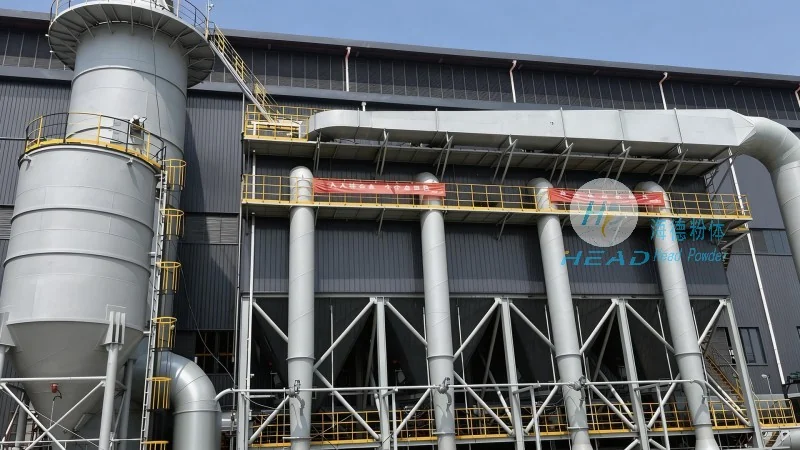
Another advantage is the flexibility in system layout. Since the conveying is done through a pipeline, the system can be easily reconfigured or expanded to accommodate changes in production needs or facility layout. This makes it suitable for both new installations and retrofitting existing facilities.
The system also provides better dust control compared to other methods, as the material is contained within the pipeline and the receiver. This reduces the risk of dust exposure for workers and minimizes environmental contamination. Additionally, the operation is relatively quiet compared to mechanical conveyors, contributing to a safer and more comfortable working environment.
Applications and Industries
Pebble pneumatic conveying machines are widely used in various industries where the transport of small, solid particles is required. In the mining industry, they are used to transport crushed ore or rock from the mine to processing facilities. In construction, they are employed to move sand, gravel, or other aggregates from storage to construction sites. The material processing industry also utilizes these systems to transport raw materials like pebbles or sand to processing units.
Other applications include the food and pharmaceutical industries, where the system is used to transport granular materials while maintaining strict hygiene standards. The ability to handle materials in a dust-free environment makes it suitable for these industries, where product quality and safety are paramount.
Conclusion
In conclusion, a pebble pneumatic conveying machine is a sophisticated and efficient system designed to transport small pebbles and granular materials using compressed air. The design principles, including the use of appropriate air velocity and pressure, and the key components such as the hopper, feeder, and pipeline, work together to ensure reliable and effective material transport. HeadPowder, with its expertise in pneumatic conveying solutions, provides high-quality equipment that meets the diverse needs of industrial applications. By understanding the design and operational mechanisms of this technology, businesses can make informed decisions about implementing efficient material handling systems that enhance productivity and safety.




