For those in the agricultural processing industry, especially those dealing with corn cob handling and transportation, understanding the technology behind pneumatic conveying systems is crucial. A corn cob pneumatic conveying machine is a specialized piece of equipment designed to transport corn cobs and other similar bulk materials through a pipeline using air pressure. This method offers advantages such as non-contact material handling, reduced contamination risk, and the ability to transport materials over long distances without the need for mechanical components like belts or buckets.
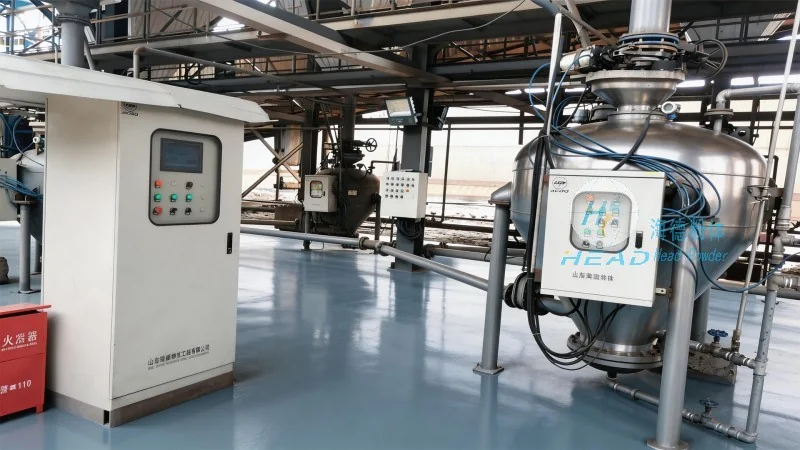
Understanding the Core Function of a Corn Cob Pneumatic Conveying Machine
The primary function of a corn cob pneumatic conveying machine is to move corn cobs from a source point to a destination point efficiently and safely. This is achieved by creating a pressure differential within a pipeline system. The machine uses a blower or compressor to generate airflow, which then lifts and propels the corn cobs through the pipeline. The design ensures that the corn cobs are conveyed without direct contact with the pipeline walls, minimizing wear and tear on both the material and the equipment.
Key Design Principles of Corn Cob Pneumatic Conveying Systems
Several key design principles underpin the operation of corn cob pneumatic conveying machines. First, the system must be capable of handling the specific characteristics of corn cobs, such as their irregular shape, varying sizes, and potential for moisture content. The equipment is engineered to accommodate these variations, ensuring consistent performance. Second, the system must maintain a stable airflow to prevent material blockages or "plugging" of the pipeline. This is achieved through the use of appropriate air velocities and pipeline diameters, which are carefully calculated based on the material's properties and the desired conveying distance.
Third, the design incorporates features to control the pressure and airflow within the system. This includes components like airlocks, cyclones, and filters that help regulate the flow and separate the conveyed material from the air. These components are essential for maintaining system efficiency and preventing dust or other contaminants from escaping into the environment. Additionally, the system is designed for easy maintenance and cleaning, which is critical in agricultural applications where hygiene and material purity are paramount.
Components and Working Mechanism of the Conveying Machine
A corn cob pneumatic conveying machine consists of several key components that work in tandem to achieve the desired conveying function. The main components include a material hopper, an air supply system (such as a blower or compressor), a pipeline network, and a receiving hopper or silo. The material hopper is where the corn cobs are loaded, and it is equipped with a feeder that controls the flow of material into the pipeline. The air supply system generates the necessary airflow to move the material. The pipeline network transports the corn cobs from the source to the destination, often using a combination of vertical and horizontal sections. The receiving hopper collects the material at the end of the pipeline, and it may include a discharge valve or other equipment to control the release of the material.
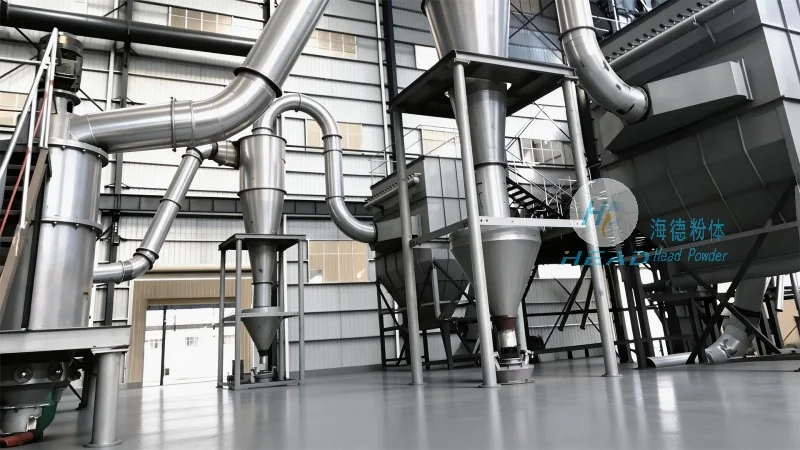
The working mechanism begins when the material is fed into the hopper. The feeder then releases the corn cobs into the pipeline, where they are entrained by the airflow generated by the blower. The air and material mixture travels through the pipeline, with the air velocity being sufficient to keep the corn cobs suspended and moving forward. At the receiving end, a cyclone or other separation device separates the corn cobs from the air, allowing the material to be collected in the receiving hopper while the air is either recirculated or discharged through a filter. This process is continuous as long as the system is operational, providing a steady flow of corn cobs from the source to the destination.
Advantages of Using Corn Cob Pneumatic Conveying Machines
There are several advantages to using corn cob pneumatic conveying machines in agricultural processing. One of the most significant advantages is the ability to transport materials without direct contact, which reduces the risk of contamination from the equipment or the environment. This is particularly important for corn cobs, which are often used in food processing or animal feed applications where purity is essential. Additionally, the system allows for the transportation of materials over long distances with minimal loss or degradation, as the corn cobs are not subjected to mechanical stress or friction during the conveying process.
Another advantage is the efficiency of the system. Pneumatic conveying can achieve high material throughput rates, making it suitable for large-scale agricultural operations. The system is also relatively compact compared to other conveying methods, such as belt conveyors, which can save space in processing facilities. Furthermore, the system is easy to integrate with other processing equipment, such as grinders or dryers, allowing for a seamless flow of materials through the entire production line.
Applications and Industries Using Corn Cob Pneumatic Conveying Machines
Corn cob pneumatic conveying machines are widely used in various industries that process agricultural products. The primary application is in the corn processing industry, where the machines are used to transport corn cobs from the field to processing facilities for further processing into products like cornmeal, corn oil, or animal feed. Additionally, the machines are used in the biofuel industry, where corn cobs are used as a raw material for producing biomass energy. They are also used in the animal feed industry, where the machines help transport corn cobs to feed mills for processing into animal feed.
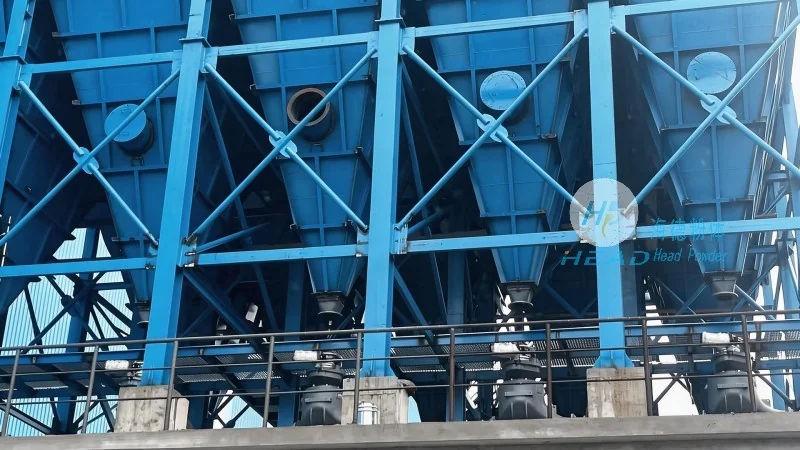
In the food processing industry, the machines are used to transport corn cobs for further processing into food products. For example, in the production of corn starch or corn syrup, the machines help move the corn cobs from the storage area to the processing equipment. In the biofuel industry, the machines are used to transport corn cobs to biomass power plants for energy generation. The versatility of the corn cob pneumatic conveying machine makes it a valuable tool in many agricultural and industrial applications.
Maintenance and Operational Considerations for Corn Cob Pneumatic Conveying Machines
Maintaining a corn cob pneumatic conveying machine is essential to ensure its long-term performance and efficiency. Regular maintenance includes checking the air supply system for proper operation, inspecting the pipeline for any blockages or damage, and cleaning the filters and cyclones to prevent clogging. The material hopper and feeder should also be checked for any buildup of material or debris that could affect the flow of corn cobs. Additionally, the system should be inspected for any signs of wear and tear on the components, such as the blower or pipeline, and replaced as needed.
Operational considerations also play a role in the performance of the machine. The system should be operated at the correct air velocity and pressure to ensure efficient conveying. The material feed rate should be adjusted to match the system's capacity to prevent overloading or blockages. The system should also be monitored for any changes in the material properties, such as moisture content or size, which may affect the conveying performance. By following proper maintenance and operational procedures, the corn cob pneumatic conveying machine can provide reliable and efficient service for many years.
Conclusion: The Importance of Corn Cob Pneumatic Conveying Machines in Modern Agriculture
In conclusion, a corn cob pneumatic conveying machine is a critical piece of equipment in the agricultural processing industry. Its design and operation are specifically tailored to handle the unique characteristics of corn cobs, providing an efficient and safe method of transportation. The machine offers several advantages over traditional conveying methods, including reduced contamination risk, high material throughput, and compact design. As the demand for agricultural products continues to grow, the use of corn cob pneumatic conveying machines will likely become even more important in ensuring the efficient and sustainable processing of corn cobs and other bulk materials.




