What is a Petroleum Coke Powder Pneumatic Conveying Machine? What Are Its Design Principles?
Release time:2026-09-14 10:54:10
name of the company:Shandong Headpowder Engineering Co., Ltd.
telephone:156-6277-7102
contacts:Zhang manager
Petroleum coke powder is a critical raw material in various industrial processes, and efficient handling of this material is essential for maintaining production efficiency and safety. A petroleum coke powder pneumatic conveying machine is a specialized system designed to transport this fine powder through a pipeline using air or other gas as the conveying medium. This technology offers a reliable and effective solution for moving petroleum coke powder from storage to processing units or other destinations within a facility.
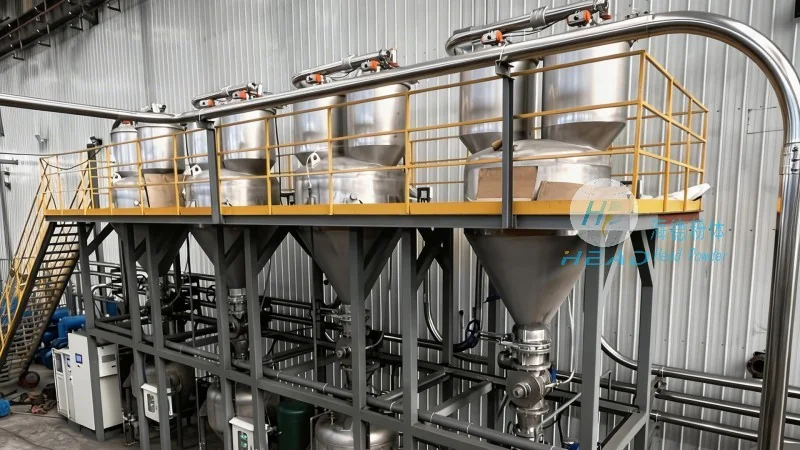
What is a Petroleum Coke Powder Pneumatic Conveying Machine?
A petroleum coke powder pneumatic conveying machine is a mechanical system that utilizes the principles of pneumatic transport to move petroleum coke powder. The system typically consists of a hopper for material storage, a feeder to control the flow rate, a conveying pipeline, and a receiver for the material at the destination. The core of the system is the air or gas flow that propels the powder particles through the pipeline. This method is particularly suitable for handling fine, dry powders like petroleum coke, which can be difficult to transport using traditional methods such as belt conveyors or screw conveyors.
Key Components and Working Principle
The key components of a petroleum coke powder pneumatic conveying machine include:
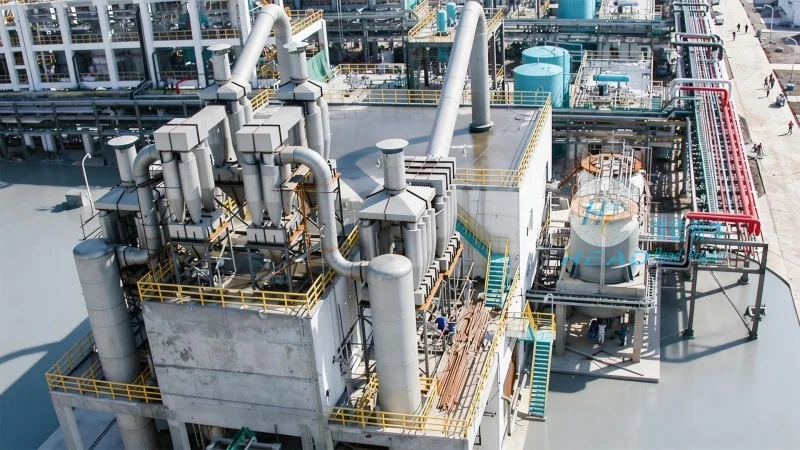
- Material Hopper: A container that holds the petroleum coke powder, providing a consistent supply to the feeder.
- Material Feeder: A device that regulates the flow rate of the powder into the conveying line, ensuring a steady and controlled feed.
- Conveying Pipeline: The main pathway for transporting the powder, typically made of durable materials like stainless steel or special plastic to withstand the abrasive nature of petroleum coke.
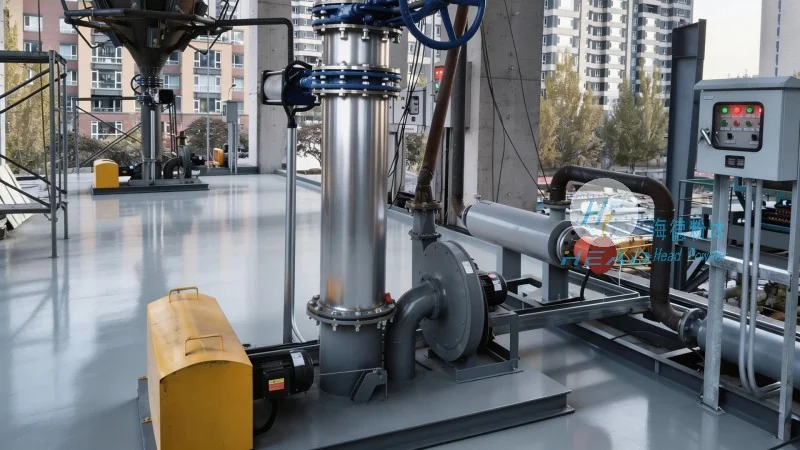
- Air or Gas Supply System: A blower or compressor that generates the necessary air or gas pressure to move the powder through the pipeline.
- Receiver: A container at the end of the pipeline where the transported powder is collected.
The working principle involves introducing the petroleum coke powder into the hopper, where it is fed into the conveying line by the feeder. Simultaneously, the air or gas supply system creates a pressure differential, causing the powder to be carried along the pipeline as a suspension. The powder particles are entrained by the air flow and transported to the receiver, where the air is separated from the powder and either recirculated or vented.
Design Principles and Technical Considerations
Designing a petroleum coke powder pneumatic conveying machine requires careful consideration of several technical factors to ensure optimal performance and longevity. Key design principles include:
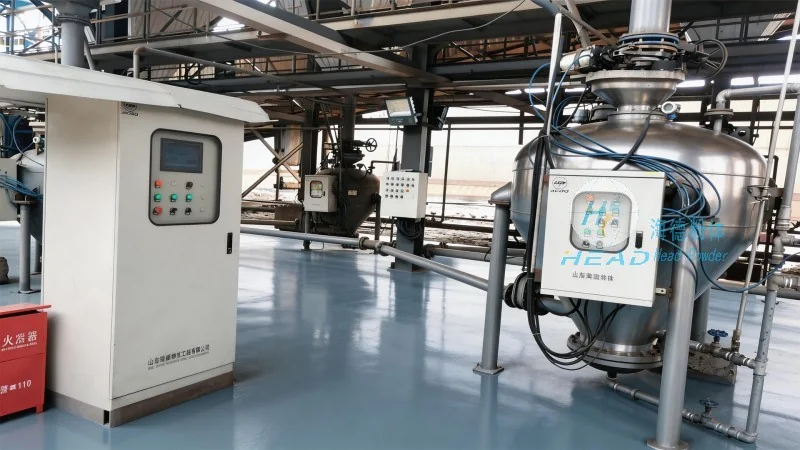
- Material Compatibility: The choice of materials for the hopper, feeder, and pipeline is critical. Petroleum coke is abrasive and can cause wear, so materials like stainless steel, high-density polyethylene, or special alloys are often used to minimize wear and extend the system's lifespan.
- Flow Rate and Pressure Control: The system must be designed to handle the specific flow rate and pressure requirements of the petroleum coke powder. The air or gas flow rate and pressure must be sufficient to overcome the resistance in the pipeline and ensure the powder is transported efficiently without causing excessive wear or energy consumption.
- Particle Size and Moisture Content: The size and moisture content of the petroleum coke powder affect the conveying characteristics. Finer particles may require higher air velocities to maintain suspension, while higher moisture content can lead to clumping or blockages, necessitating additional drying or conditioning steps.
- System Layout and Pipeline Design: The layout of the conveying system, including the length and number of bends in the pipeline, impacts the pressure drop and overall efficiency. Proper design minimizes unnecessary pressure losses and ensures smooth material flow.
- Safety and Environmental Considerations: Pneumatic conveying systems must incorporate safety features to prevent dust explosions and ensure proper ventilation. The system may include explosion-proof components and dust collection systems to comply with environmental regulations.
Applications and Benefits
Petroleum coke powder pneumatic conveying machines are widely used in various industries, including:
- Cement and Concrete Production: Petroleum coke is used as a fuel or raw material in cement kilns, and the conveying system ensures efficient delivery to the production line.
- Steel Manufacturing: In steel plants, petroleum coke is used as a reductant in the blast furnace process, and the pneumatic conveying system facilitates its transport from storage to the furnace.
- Chemical and Petrochemical Industries: The material is used in the production of chemicals and other petrochemical products, and the system helps in moving it between processing stages.
- Power Generation: In power plants, petroleum coke can be used as a fuel in boilers, and the conveying system ensures reliable fuel supply.
The benefits of using a petroleum coke powder pneumatic conveying machine include:




