When it comes to handling glass slag and other fine materials, industrial facilities often rely on efficient and reliable equipment to ensure smooth operations. A key piece of machinery in this context is the glass slag pneumatic conveyor, which uses air to transport materials over long distances with minimal maintenance. This article will explore what a glass slag pneumatic conveyor is and delve into its fundamental design principles, highlighting how it enhances material handling processes in various industrial applications.
Introduction to Glass Slag Pneumatic Conveyors
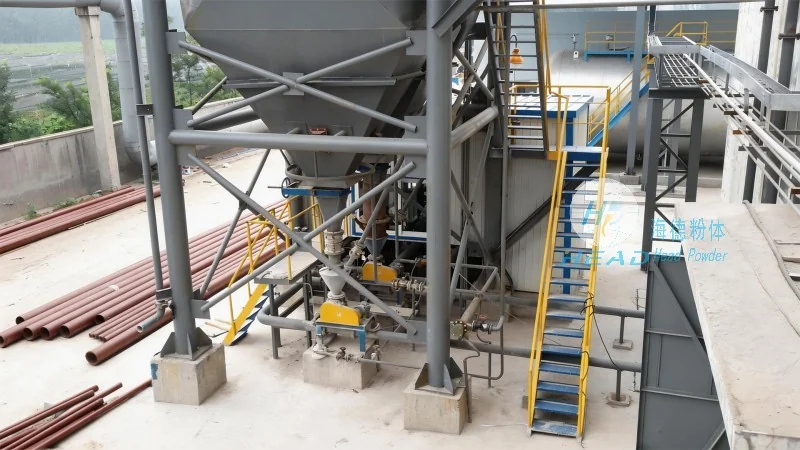
Glass slag, a byproduct of glass manufacturing processes, consists of fine particles that require specialized handling to prevent dust and ensure environmental compliance. Traditional methods like belt conveyors or bucket elevators may struggle with fine, abrasive materials like glass slag, leading to increased wear and operational inefficiencies. The glass slag pneumatic conveyor addresses these challenges by utilizing a pressurized or vacuum system to transport materials through a pipeline network. This method not only reduces the risk of dust dispersion but also enables the transportation of materials over significant distances with minimal energy consumption compared to mechanical systems.
Design Principles of Glass Slag Pneumatic Conveyors
The design of a glass slag pneumatic conveyor is built on several core principles that ensure optimal performance and durability. First, the system relies on a consistent air flow to move particles through the pipeline. This air flow can be generated through positive pressure (where air is blown into the system) or negative pressure (where air is drawn out). The choice between these methods depends on the specific application, material characteristics, and distance to be covered. For glass slag, which is often fine and abrasive, positive pressure systems are commonly preferred as they provide better control over material movement and reduce the risk of blockages.
Second, the design incorporates appropriate pipeline materials and diameters to accommodate the abrasive nature of glass slag. Stainless steel or high-grade plastic pipes are typically used to prevent corrosion and wear from the fine particles. The pipeline diameter is carefully selected to balance the air velocity and material concentration, ensuring that the material is transported efficiently without excessive pressure drop or particle separation. Properly sized and positioned air inlets and outlets are also critical to maintain consistent flow and prevent system inefficiencies.
Key Components and Their Functions
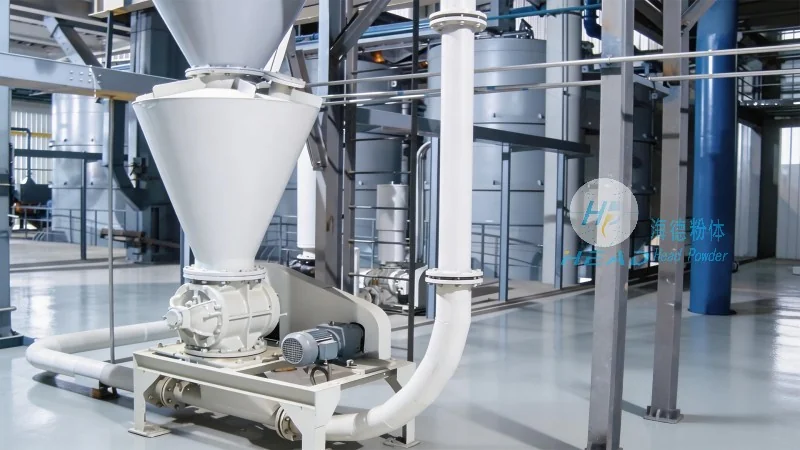
A glass slag pneumatic conveyor consists of several key components, each playing a vital role in the overall system. The main components include the material feed hopper, the air supply system (blower or vacuum pump), the pipeline network, and the discharge outlet. The feed hopper is designed to store and meter the glass slag, ensuring a consistent flow into the system. It often includes a rotary valve or feeder to control the material discharge rate, preventing overloading or underloading of the conveyor.
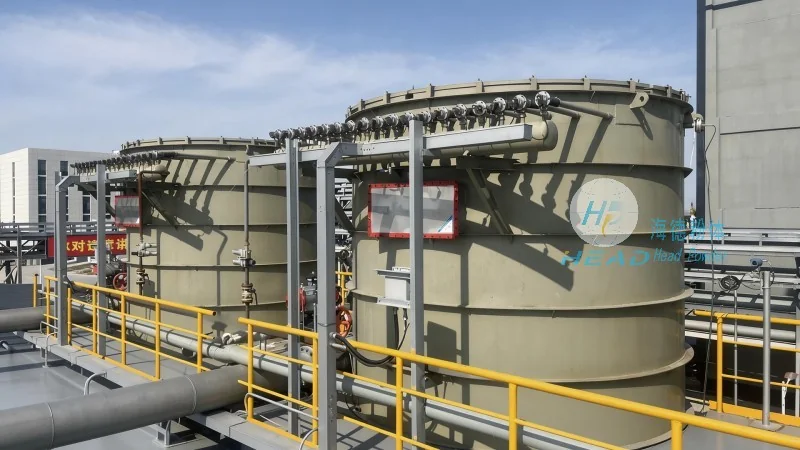
The air supply system provides the necessary pressure or vacuum to move the material. For positive pressure systems, a high-capacity blower generates the air, while for negative pressure systems, a vacuum pump creates the suction. The blower or pump is selected based on the required air volume and pressure, which are determined by the material's properties, pipeline length, and system design. The pipeline network connects the feed hopper to the discharge point, with appropriate bends, elbows, and valves to direct the flow and control the system.
Advantages of Glass Slag Pneumatic Conveyors
Implementing a glass slag pneumatic conveyor offers several advantages over traditional material handling methods. One of the primary benefits is the reduction in dust and airborne particles, which improves workplace safety and environmental compliance. Since the material is transported within a sealed pipeline, there is minimal exposure to the environment, reducing the risk of contamination and health hazards associated with fine glass particles.
Another advantage is the ability to transport materials over long distances with minimal energy consumption. Unlike mechanical conveyors that rely on moving parts and friction, pneumatic systems use air to move particles, resulting in lower operational costs and reduced maintenance requirements. The system is also more flexible, as pipelines can be easily reconfigured or extended to accommodate changes in production processes or facility layouts.
Furthermore, the glass slag pneumatic conveyor is highly efficient in handling fine, abrasive materials like glass slag. The consistent air flow and controlled velocity prevent particle separation and ensure that all material is transported to the discharge point. This efficiency reduces material loss and improves overall productivity, making it an ideal solution for glass manufacturing facilities and other industries dealing with similar fine materials.
Applications in Industrial Settings
Glass slag pneumatic conveyors are widely used in various industrial settings where glass slag and other fine materials need to be transported. In glass manufacturing plants, these systems are used to move glass slag from the production line to storage or disposal areas. The ability to transport materials over long distances without the need for multiple transfer points makes the system efficient for large-scale operations.
In recycling facilities, glass slag pneumatic conveyors are used to transport materials to processing equipment or storage areas. The sealed system helps maintain the quality of the material and prevents contamination from other substances. Additionally, in construction and waste management industries, these conveyors are used to handle glass waste and transport it to recycling or disposal sites.
Maintenance and Operational Considerations
To ensure the longevity and efficiency of a glass slag pneumatic conveyor, proper maintenance is essential. Regular inspection of the pipeline for wear and corrosion is necessary, as glass slag can be abrasive and cause damage over time. The air supply system should be checked for proper operation and cleaned regularly to prevent clogging or reduced performance.
Material feed hoppers and rotary valves should also be inspected for blockages or wear, as these components are critical to maintaining consistent material flow. The system should be operated within the recommended air pressure and flow rates to avoid excessive wear on components and ensure optimal performance. By following proper maintenance procedures, the glass slag pneumatic conveyor can provide reliable service for many years, minimizing downtime and operational costs.




