Straw ash pneumatic conveying machines are specialized equipment used in the processing and handling of agricultural waste materials, particularly straw ash. These machines are designed to efficiently transport fine particles of straw ash from one location to another using air as the conveying medium. As a key component in the waste management and recycling processes for agricultural byproducts, these systems play a crucial role in optimizing material handling operations and reducing manual labor requirements.
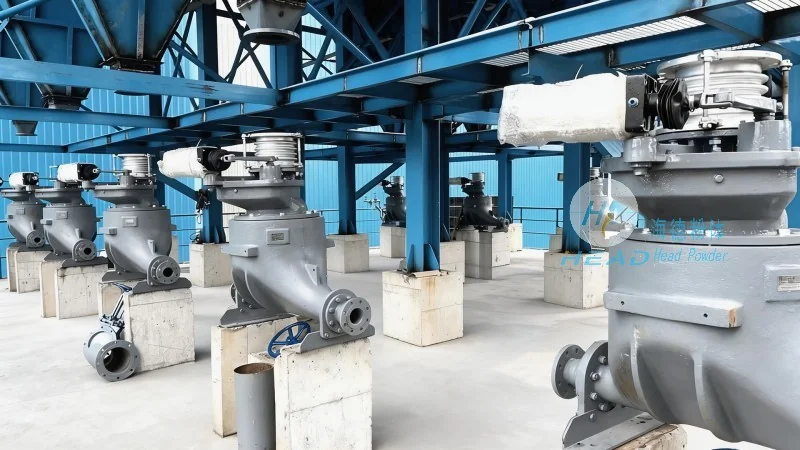
Overview of Pneumatic Conveying Technology
Pneumatic conveying technology involves the use of pressurized or suction air to move bulk materials through a pipeline system. In the context of straw ash, which is typically a fine, powdery substance, the design of the conveying machine must address challenges such as particle segregation, blockage, and dust control. The system typically consists of a hopper for material storage, a blower or fan to generate airflow, a pipeline network, and a discharge point. The choice between positive pressure (blow) and negative pressure (suction) systems depends on the specific application, material characteristics, and distance to be covered.
Design Principles of Straw Ash Pneumatic Conveying Machines
The design of a straw ash pneumatic conveying machine is governed by several key principles to ensure efficient and reliable operation. First, the system must be capable of handling the specific physical properties of straw ash, including its particle size distribution, moisture content, and density. The hopper design is critical, as it needs to prevent material bridging and ensure consistent feeding. The blower or fan must provide sufficient air volume and pressure to overcome the resistance of the pipeline and the material being conveyed. The pipeline layout is also important, with considerations for bends, elbows, and vertical lifts to minimize pressure losses and prevent blockages. Additionally, the system incorporates features such as cyclones or filters to separate the conveyed material from the air stream, ensuring clean air discharge and preventing dust contamination in the environment.
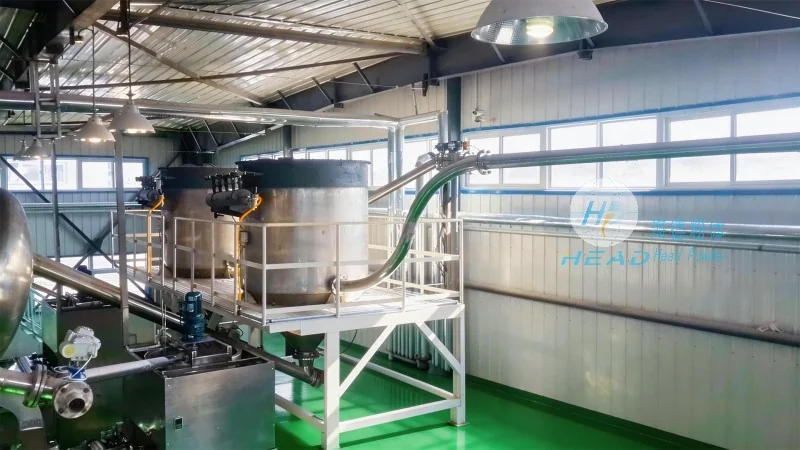
Components and Their Functions
A typical straw ash pneumatic conveying machine includes several key components, each with a specific function. The hopper serves as the storage and feeding unit, where the straw ash is loaded and fed into the system. The feeder, often a rotary valve or screw feeder, controls the flow rate of the material into the pipeline. The blower or fan generates the necessary airflow, providing the pressure or suction required for conveying. The pipeline network connects the hopper to the discharge point, with appropriate fittings and bends to direct the material flow. The discharge unit, such as a cyclone separator or filter, separates the straw ash from the air, allowing the material to be collected in a container or hopper, while the clean air is vented to the atmosphere. Each component must be designed to withstand the abrasive nature of straw ash and the operating conditions of the system.
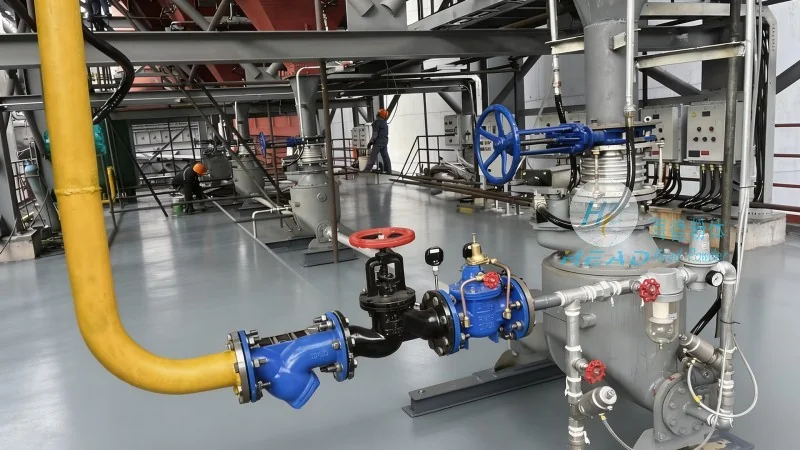
Advantages of Using Pneumatic Conveying for Straw Ash
Implementing a pneumatic conveying system for straw ash offers several advantages over traditional methods like belt conveyors or manual handling. First, it provides a dust-free and hygienic environment, reducing the risk of respiratory issues for workers and minimizing environmental contamination. Second, the system is highly flexible, allowing for easy reconfiguration of the pipeline layout to accommodate changes in processing requirements or facility expansion. Third, it reduces labor costs by automating the material handling process, as the machine can operate continuously without the need for manual intervention. Additionally, the system is compact and can be installed in confined spaces, making it suitable for various industrial settings. Finally, the efficient transport of straw ash helps in optimizing the overall production process, leading to increased productivity and reduced downtime.
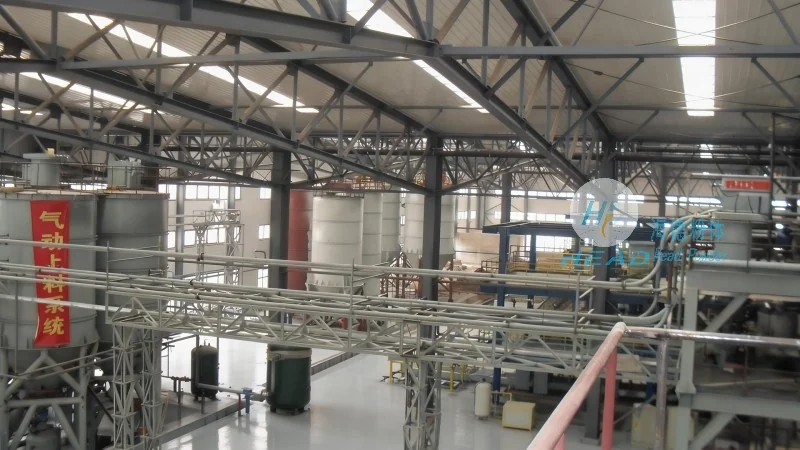
Applications and Industries
Straw ash pneumatic conveying machines are widely used in various industries that process agricultural waste and byproducts. These include biomass power plants, where straw ash is a byproduct of combustion, and agricultural processing facilities that handle straw and other crop residues. The system is also used in the production of biofuels, where straw ash may be used as a raw material or byproduct. Additionally, it is applied in the manufacturing of organic fertilizers, where the ash is processed and used as a nutrient source. The versatility of the pneumatic conveying system makes it suitable for a range of applications, from small-scale farm operations to large industrial facilities.
Conclusion
In conclusion, straw ash pneumatic conveying machines are an essential piece of equipment for efficiently handling and transporting straw ash in agricultural and industrial applications. The design principles, components, and advantages of these systems make them a reliable and effective solution for material handling. As a leading manufacturer in this field, Shandong HeadPowder Engineering Co., Ltd. specializes in providing high-quality pneumatic conveying solutions tailored to the specific needs of clients. With a focus on innovation and customer satisfaction, the company ensures that its products meet the highest standards of performance and durability, contributing to the sustainable management of agricultural waste and byproducts.




