For agricultural operations dealing with paddy grain, efficient and reliable material handling is crucial. Pneumatic conveying systems have emerged as a preferred solution due to their ability to transport bulk materials like paddy grain with minimal maintenance and operational costs. This article explores the various types of paddy grain pneumatic conveying systems, their key characteristics, and the specific application ranges where they excel, with insights from Shandong HeadPowder Engineering Co., Ltd. (headpowder).
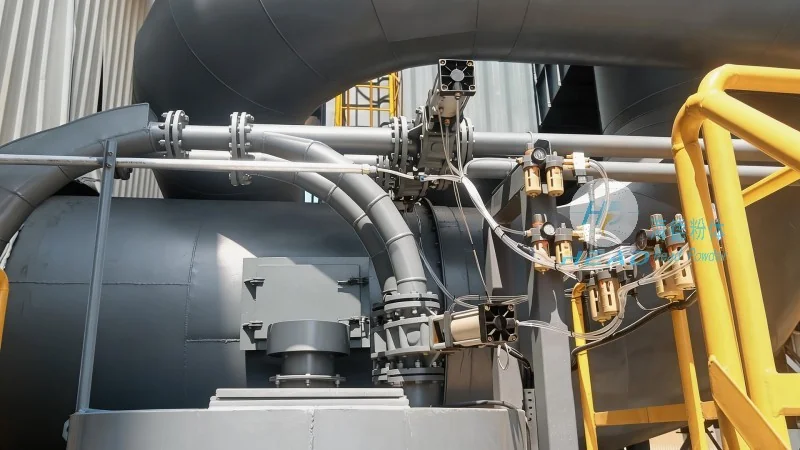
Overview of Paddy Grain Pneumatic Conveying Systems
Paddy grain pneumatic conveying systems utilize air pressure or vacuum to move grains through a pipeline network. These systems are designed to handle the unique physical properties of paddy grain, such as its size, moisture content, and susceptibility to breakage. The primary goal is to ensure that the grain is transported without damage while maintaining high throughput rates.
Types of Paddy Grain Pneumatic Conveying Systems
There are two main categories of pneumatic conveying systems used for paddy grain: pressure and vacuum systems. Each type has distinct operational principles and is suited to different scenarios.
Pressure Conveying Systems
Pressure conveying systems operate by forcing air and grain through the pipeline using a positive pressure source, typically a blower or a positive displacement compressor. These systems are ideal for short to medium-distance transport and can handle higher volumes of material. The high-pressure air creates a consistent flow, minimizing the risk of clogging and ensuring smooth material movement.
Vacuum Conveying Systems
Vacuum conveying systems, on the other hand, use a vacuum pump to create a negative pressure that draws the grain and air mixture into the pipeline. This method is well-suited for longer distances and for handling materials that are more delicate or prone to dust generation. The lower pressure environment reduces the risk of grain breakage and is often preferred for applications where the material needs to be transported from multiple sources to a central collection point.
Key Features of Paddy Grain Pneumatic Conveying Systems
Regardless of the type, modern paddy grain pneumatic conveying systems share several key features that enhance their performance and reliability.
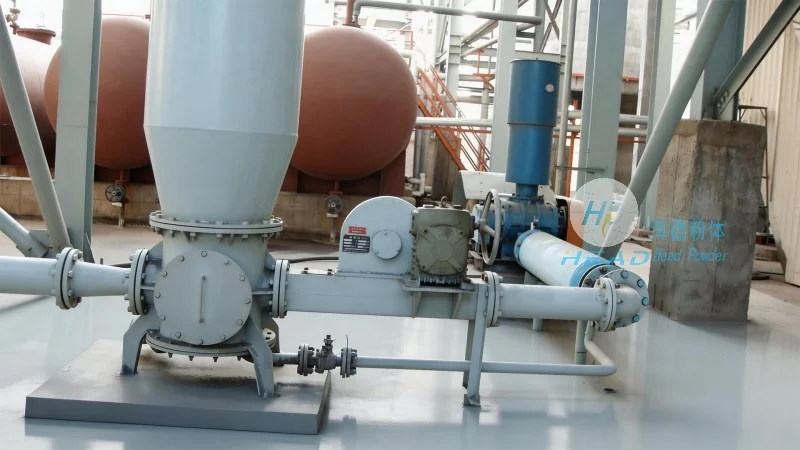
Material Handling Efficiency
Efficiency is a critical feature, as these systems are designed to maximize throughput while minimizing energy consumption. Advanced control systems allow for precise regulation of air flow and pressure, ensuring optimal performance under varying load conditions.
Low Maintenance Requirements
Compared to traditional mechanical conveying methods, pneumatic systems have fewer moving parts, which reduces the need for frequent maintenance. This results in lower operational costs and less downtime, making them a cost-effective solution for long-term use.
Hygienic and Clean Operation
Paddy grain is often handled in food processing environments where hygiene is paramount. Pneumatic conveying systems are enclosed, preventing dust and contamination from entering the workspace. This feature is particularly important for maintaining food safety standards and ensuring compliance with industry regulations.
Flexibility in Layout
The modular design of pneumatic conveying systems allows for easy integration into existing or new facility layouts. They can be configured to follow the contours of the building, making them suitable for both new construction and retrofit applications.
Application Ranges of Paddy Grain Pneumatic Conveying Systems
Paddy grain pneumatic conveying systems are versatile and can be applied in a wide range of scenarios within the agricultural and food processing industries.
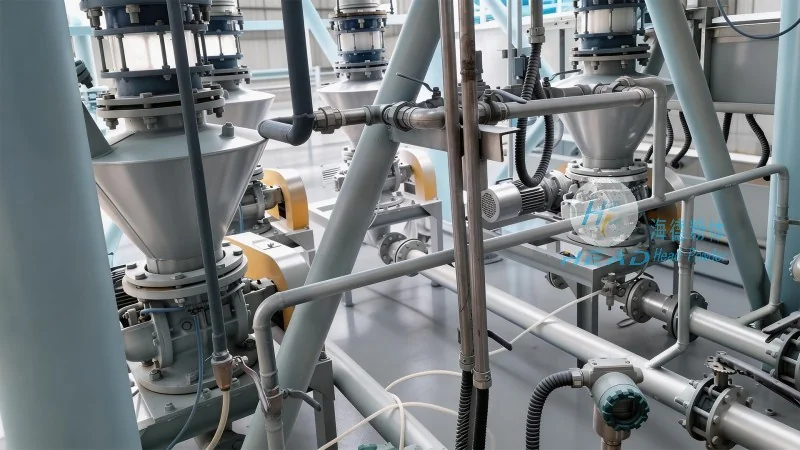
Grain Storage and Handling
In grain storage facilities, these systems are used to transfer paddy grain from storage silos to processing areas or for inventory management. The ability to handle large volumes quickly and efficiently helps in maintaining optimal inventory levels and reducing handling time.
Processing and Milling Operations
During the processing of paddy grain into rice, pneumatic conveying is essential for moving raw paddy, intermediate products like husked paddy, and finished rice. The systems ensure that each stage of the process is connected seamlessly, improving overall production efficiency.
Transportation and Distribution
For agricultural cooperatives and grain traders, pneumatic conveying systems facilitate the transportation of paddy grain from farms to processing plants or to distribution centers. This method is particularly useful for long-distance transport where traditional trucking may be less efficient or cost-effective.
Quality Control and Sorting
Some advanced systems incorporate sensors and sorting mechanisms to separate impurities or damaged grains during the conveying process. This feature enhances the quality of the final product and reduces waste, adding value to the overall operation.
Conclusion
Paddy grain pneumatic conveying systems offer a robust and efficient solution for handling bulk paddy grain in various agricultural and food processing applications. With their ability to handle different types of grain, maintain product quality, and adapt to diverse operational needs, these systems are a valuable asset for any operation dealing with paddy grain. The technology continues to evolve, with improvements in energy efficiency and automation, making it an increasingly attractive option for modern agricultural operations.




