For the efficient and safe handling of anode materials in battery production, selecting the appropriate transport method is crucial. Various techniques are employed to move these materials from storage to processing units, each with its own advantages and applications. This article provides an overview of common anode material transport methods, with a focus on the pneumatic conveying system as a key solution.
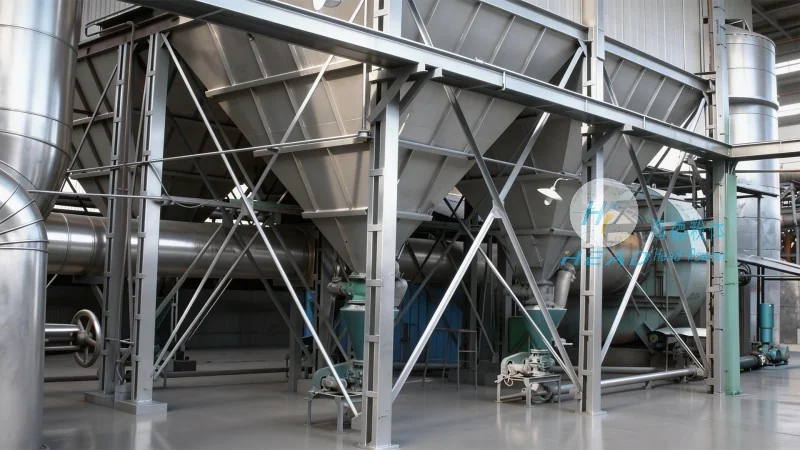
Introduction to Anode Material Transport
Anode materials, such as graphite, silicon, and lithium iron phosphate, are critical components in lithium-ion batteries. Their transport from raw material storage to production lines requires specialized equipment to ensure minimal loss, contamination, and energy consumption. The choice of transport method depends on factors like material properties, production scale, and environmental considerations. Common transport methods include mechanical conveyors, pneumatic conveying systems, and vacuum systems. Among these, pneumatic conveying stands out for its flexibility and ability to handle a wide range of anode materials.
Pneumatic Conveying Systems: A Detailed Overview
Pneumatic conveying systems use compressed air or other gases to transport anode materials through a pipeline network. This method is particularly suitable for fine powders and granules, offering advantages like dust-free operation, high transport efficiency, and the ability to handle materials over long distances. The system typically consists of a hopper for material storage, a conveyor line, and a receiver for the final product. The compressed air creates a flow that propels the material through the pipeline, ensuring a continuous and controlled transport process.
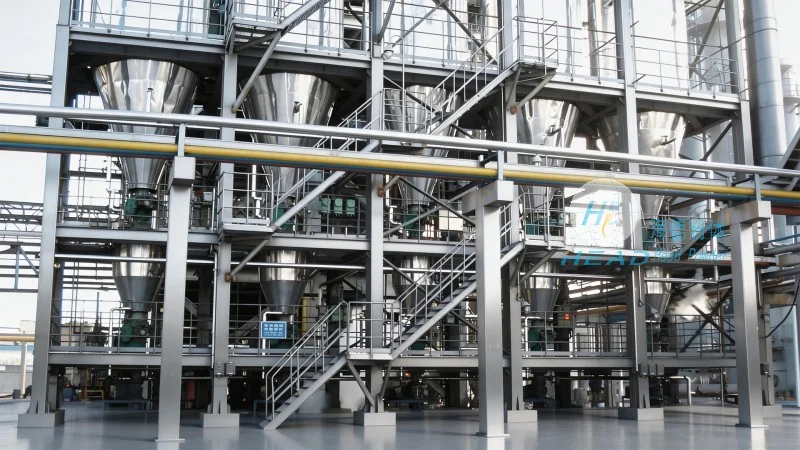
HeadPowder, a leading provider in the field, specializes in designing and manufacturing pneumatic conveying systems tailored to the specific needs of anode material handling. Our solutions are engineered to maximize efficiency while maintaining product integrity. By leveraging advanced technology and materials science, we ensure that the transport process minimizes material degradation and maintains the quality of the anode powders.
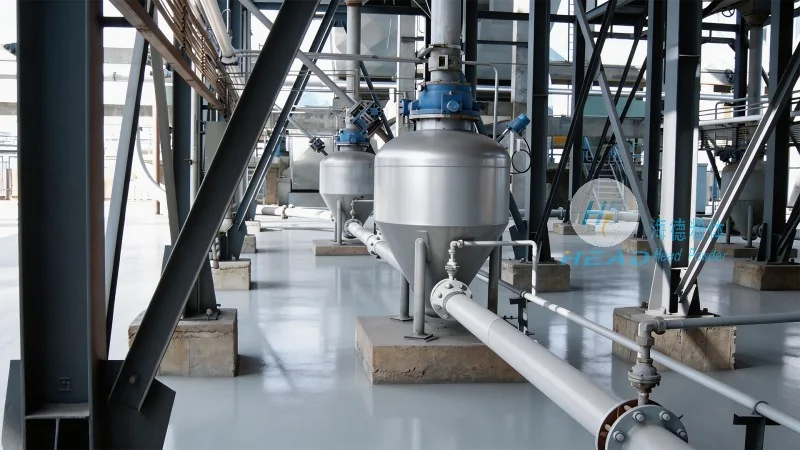
Key Features and Benefits of Pneumatic Conveying
Compared to traditional mechanical conveyors, pneumatic conveying offers several key benefits. First, it eliminates the need for physical contact between the material and the conveyor, reducing the risk of contamination and wear. Second, the system can handle a wide variety of material sizes and shapes, from fine powders to larger granules. Third, it provides better control over the transport speed and direction, allowing for precise dosing and distribution. Additionally, pneumatic conveying systems are more flexible in terms of layout, as they can be easily reconfigured to accommodate changes in production processes.
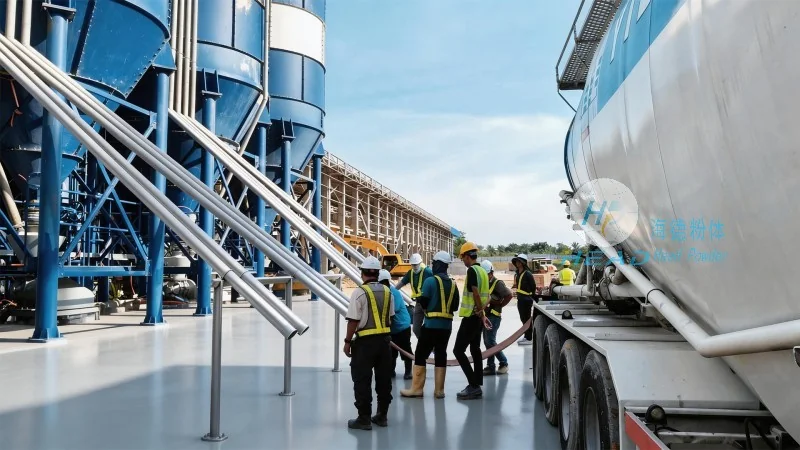
Application in Battery Manufacturing
In battery manufacturing, the pneumatic conveying system plays a vital role in the production line. It efficiently transports anode materials from raw material storage to mixing, coating, and cell assembly stages. The system ensures that the materials are delivered in a consistent and controlled manner, which is essential for maintaining product quality and reducing waste. HeadPowder's expertise in this area has enabled us to deliver reliable solutions that meet the stringent requirements of modern battery production.
Conclusion
Choosing the right anode material transport method is critical for the success of battery production. Pneumatic conveying systems, with their efficiency and flexibility, are increasingly becoming the preferred choice for many manufacturers. HeadPowder, with its commitment to quality and innovation, continues to provide advanced solutions that enhance the performance and reliability of anode material transport in battery manufacturing. Our systems are designed to meet the specific needs of our clients, ensuring optimal performance and long-term value.




