Cellulose pneumatic conveying systems represent a critical technology in material handling, particularly for the efficient transport of cellulose-based materials. These systems utilize air or other gases to move bulk materials through a pipeline network, offering advantages such as reduced equipment wear, improved safety, and enhanced process control. The design of such systems is a complex engineering task that requires careful consideration of material properties, flow dynamics, and operational requirements.
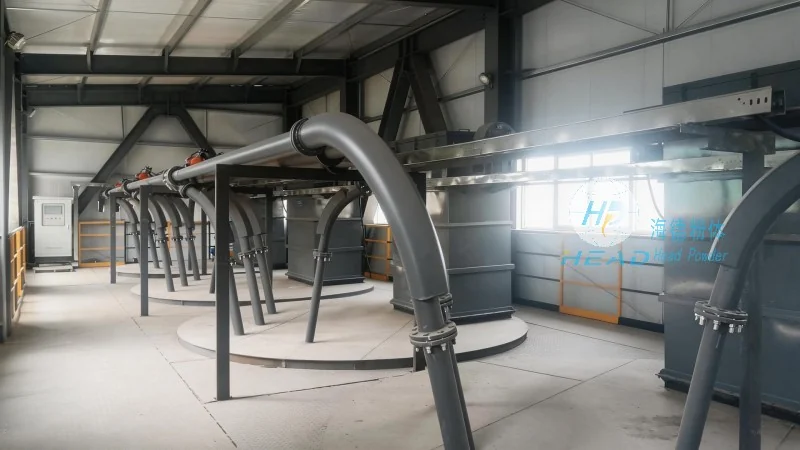
Key Components of a Cellulose Pneumatic Conveying System
A typical cellulose pneumatic conveying system consists of several core components that work in concert to ensure reliable material transport. The primary components include a material feeder, which introduces the cellulose material into the system, a conveying line that transports the material through the pipeline, and a discharge unit that delivers the material to its final destination. Additionally, a blower or compressor provides the necessary air pressure to drive the material flow, while a filter system ensures that the air is cleaned and recycled, maintaining system efficiency and compliance with environmental standards.
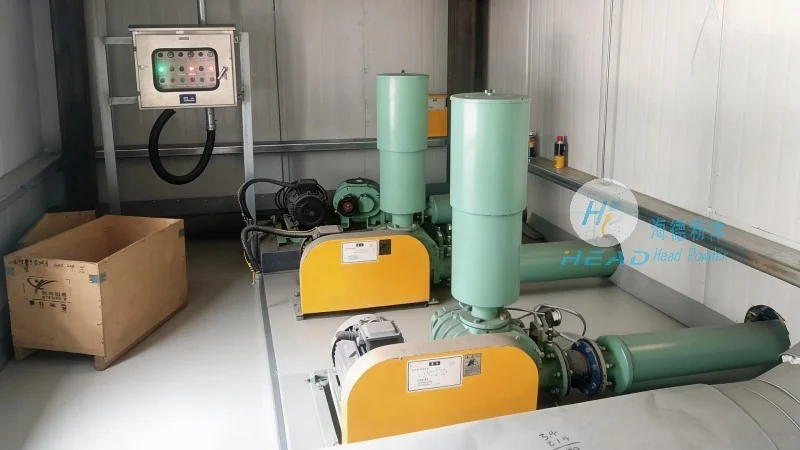
Design Considerations for Optimal Performance
The design of a cellulose pneumatic conveying system must address several critical factors to achieve optimal performance and longevity. Material properties, such as particle size, density, and moisture content, significantly impact the system's design. Larger or heavier particles may require higher air velocities or specialized equipment to prevent blockages or system overload. Moisture content is another key factor, as excessive moisture can lead to material clumping or increased wear on components. Engineers must also consider the system's operating pressure and flow rates, which are determined by the distance to be covered and the desired throughput. Proper sizing of the conveying line, blower capacity, and feeder mechanisms is essential to prevent energy waste and ensure consistent material transport.
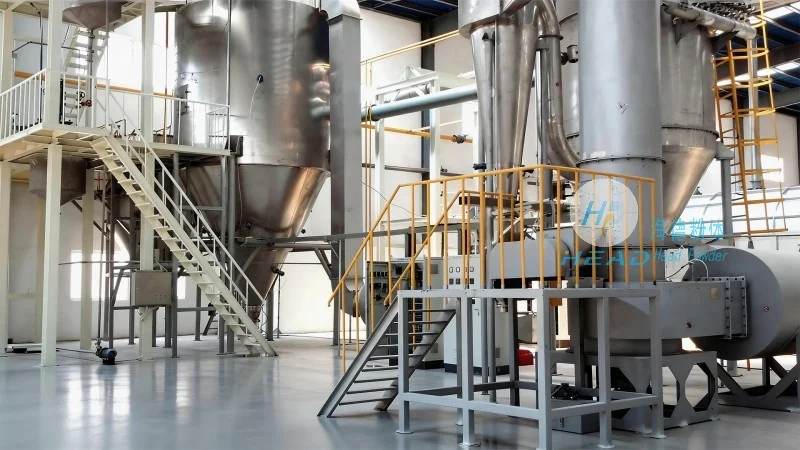
Application-Specific Design Solutions
Cellulose pneumatic conveying systems are widely used in various industries, including paper manufacturing, biomass processing, and agricultural product handling. The design of these systems is tailored to the specific application requirements. For example, in paper mills, the system may need to handle fine cellulose fibers with high moisture content, requiring specialized feeders and filters to maintain system efficiency. In biomass processing facilities, the system may need to transport larger cellulose particles, necessitating higher air velocities and robust conveying lines to prevent clogging. The design process involves detailed calculations of air velocity, pressure drop, and material flow rate to ensure that the system meets the operational demands of the application.
Advantages of Cellulose Pneumatic Conveying Systems
Compared to traditional mechanical conveying methods, cellulose pneumatic conveying systems offer several distinct advantages. One of the most significant benefits is the reduction in equipment wear and maintenance costs. Since the material is transported through a pipeline rather than on mechanical components, the risk of wear and tear is minimized. Additionally, pneumatic systems provide improved safety by eliminating the need for moving parts in the material handling area, reducing the risk of accidents. Process control is another key advantage, as the system can be easily integrated with other process equipment, allowing for precise control over material flow rates and pressure. This level of control is particularly important in industries where material consistency is critical, such as in paper production or biomass energy generation.
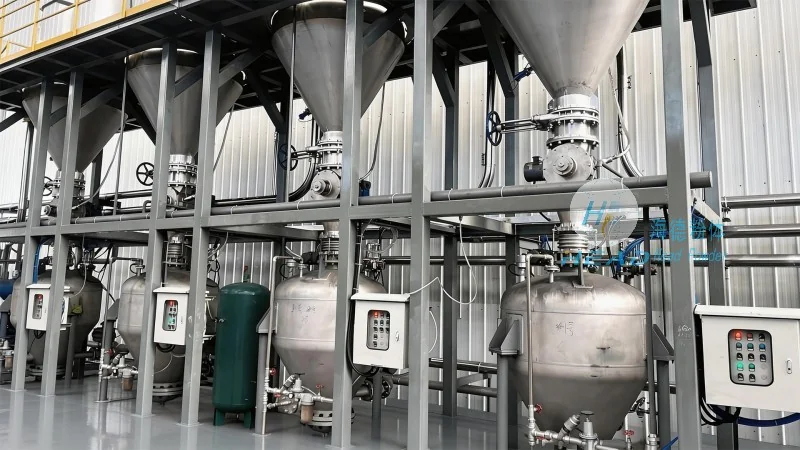
Customization and Integration with HeadPowder Engineering
Shandong HeadPowder Engineering Co., Ltd., commonly known as HeadPowder, specializes in the design and manufacturing of customized cellulose pneumatic conveying systems. With a focus on tailored solutions for diverse industrial applications, HeadPowder leverages advanced engineering principles to develop systems that meet the specific needs of their clients. The company's expertise lies in understanding the unique challenges of cellulose material handling and translating them into effective design solutions. By collaborating closely with clients, HeadPowder ensures that the final system is optimized for performance, efficiency, and longevity. The company's facilities are located in Shandong, China, where they maintain state-of-the-art manufacturing capabilities and technical support teams to provide comprehensive service throughout the system's lifecycle.




