For industrial applications involving the transport of dry yeast, selecting the right pneumatic conveying system is crucial for efficiency, product integrity, and operational reliability. This article explores several effective solutions tailored to the unique characteristics of dry yeast, offering insights into system design, material handling, and performance optimization.
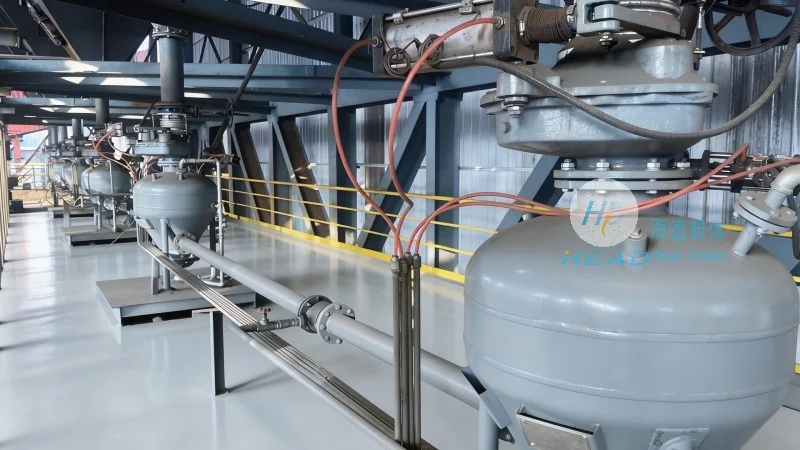
Understanding Pneumatic Conveying Systems for Dry Yeast
Dry yeast, with its fine particle size and hygroscopic properties, requires specialized handling to prevent agglomeration, moisture absorption, and degradation during transport. Pneumatic conveying systems utilize air or gas to move dry materials through a pipeline, providing a dust-free, enclosed method that maintains product quality. The choice of system depends on factors such as material flow rate, distance, and the need for gentle handling to preserve yeast viability.
Key Considerations in Dry Yeast Pneumatic Conveying
When designing a pneumatic conveying system for dry yeast, several critical factors must be addressed. First, the system must ensure minimal product degradation, as yeast cells are sensitive to shear forces and pressure changes. Second, the conveying medium (air or gas) must be controlled to prevent moisture ingress, which can affect yeast activity and shelf life. Third, the system should be designed for easy cleaning and maintenance to comply with food safety regulations. These considerations guide the selection of components like feeders, pipelines, and separation equipment.
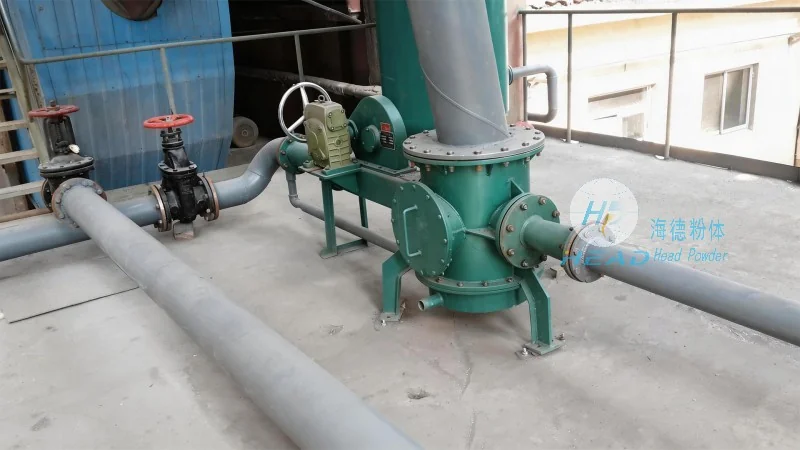
Option 1: Dilute Phase Pneumatic Conveying
Dilute phase systems are commonly used for dry yeast transport due to their efficiency and ability to handle long distances. In this method, dry yeast is suspended in a high-velocity air stream, moving through a pipeline with minimal pressure drops. This approach is ideal for applications requiring large volumes and long conveying distances, as it minimizes material buildup and reduces the risk of clogging. The system typically includes a rotary valve feeder to introduce yeast into the pipeline, a filter to remove particles from the air, and a cyclone separator to collect the yeast at the destination.
Option 2: Dense Phase Pneumatic Conveying
Dense phase systems offer a gentler handling method, suitable for dry yeast that requires minimal shear force. In this approach, the conveying medium is introduced at a lower velocity, allowing the yeast to move in a more controlled, slower flow. This reduces the risk of product degradation and is particularly effective for sensitive materials that are prone to agglomeration. The system often uses a positive displacement blower or compressor to maintain a consistent pressure, ensuring steady material flow. Dense phase conveying is preferred when the conveying distance is shorter or when the yeast needs to be delivered gently to avoid damage.
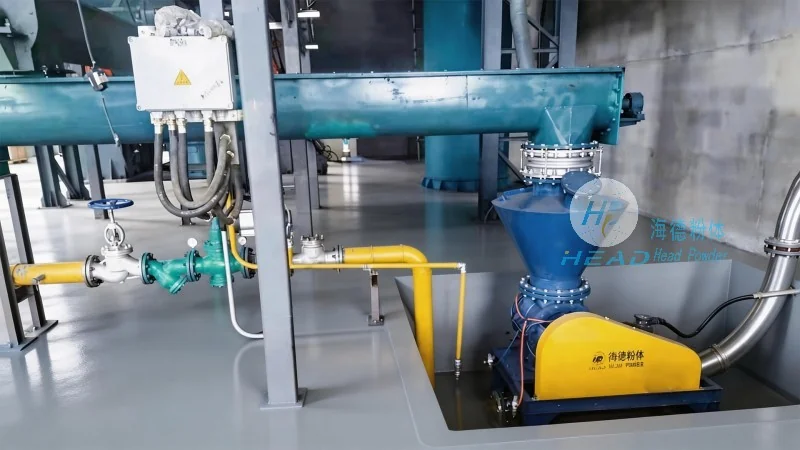
Option 3: Hybrid Pneumatic Conveying Systems
Hybrid systems combine elements of both dilute and dense phase technologies to optimize performance for specific dry yeast applications. These systems may use a dilute phase for initial transport and then transition to a dense phase for the final delivery, or they may incorporate multiple stages of conveying to manage varying distances and material conditions. Hybrid systems are versatile and can adapt to changing production demands, making them suitable for industrial settings where flexibility is essential. They often include advanced control systems to monitor flow rates, pressure, and material levels, ensuring consistent operation and product quality.
System Components and Design for Dry Yeast Handling
Regardless of the chosen pneumatic conveying method, the selection of appropriate components is vital for successful dry yeast transport. Key components include: rotary airlock feeders to control material flow and prevent backflow, flexible hoses or rigid pipelines to transport the yeast, and separation equipment such as cyclones or filters to collect the product. The design of these components must consider the hygroscopic nature of dry yeast, ensuring that materials are resistant to moisture and easy to clean. Additionally, the system should be equipped with pressure sensors and flow meters to monitor performance and detect any issues in real-time.
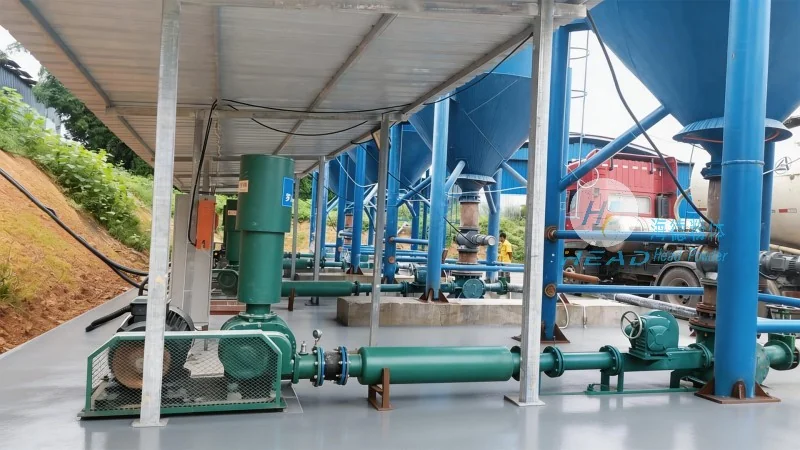
Benefits of Implementing Pneumatic Conveying Solutions
Adopting a pneumatic conveying system for dry yeast offers several advantages. First, it provides a dust-free and enclosed environment, reducing the risk of contamination and improving workplace safety. Second, the system minimizes product loss and degradation, preserving the viability and quality of the yeast for downstream processes. Third, it enhances operational efficiency by automating material transport, reducing labor costs, and improving throughput. These benefits make pneumatic conveying an attractive option for manufacturers seeking to optimize their dry yeast handling processes.
Conclusion
In conclusion, the selection of an appropriate pneumatic conveying system for dry yeast is critical to ensuring efficient, safe, and cost-effective material transport. Whether using dilute, dense, or hybrid systems, careful consideration of material properties, conveying distance, and operational requirements is essential. By leveraging the expertise of companies like Shandong HeadPowder Engineering Co., Ltd., manufacturers can implement tailored solutions that meet their specific needs, enhancing product quality and operational performance. With the right system design and components, dry yeast can be transported reliably and efficiently, supporting the success of industrial applications.




