Pyrolysis char, a valuable byproduct in the processing of biomass and other carbonaceous materials, requires efficient and reliable handling systems for industrial applications. The design of a negative pressure pneumatic conveying device specifically tailored for pyrolysis char presents a critical solution to address the challenges of material transport in such processes. This article outlines the key aspects of the design, emphasizing the technical considerations and operational benefits that make this system suitable for industrial-scale operations.
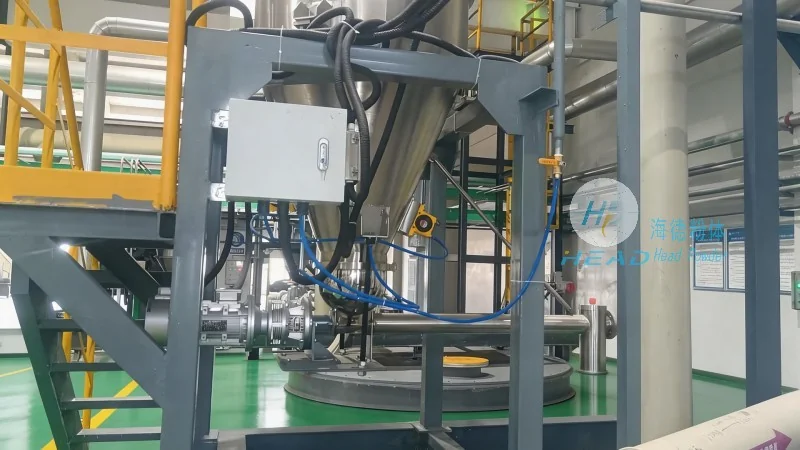
Introduction to Pyrolysis Char and Conveying Needs
Pyrolysis, the thermal decomposition of organic materials in the absence of oxygen, produces char as a solid residue. This char is rich in carbon and can be utilized in various applications, including as a fuel or feedstock for further processing. However, the handling of pyrolysis char poses unique challenges due to its fine particle size, dustiness, and potential reactivity. Traditional conveying methods, such as belt conveyors or screw conveyors, may not be suitable for fine powders, leading to issues like clogging, dust emission, and material degradation. Therefore, a negative pressure pneumatic conveying system offers an effective solution by utilizing air flow to transport the material in a controlled and dust-free manner.
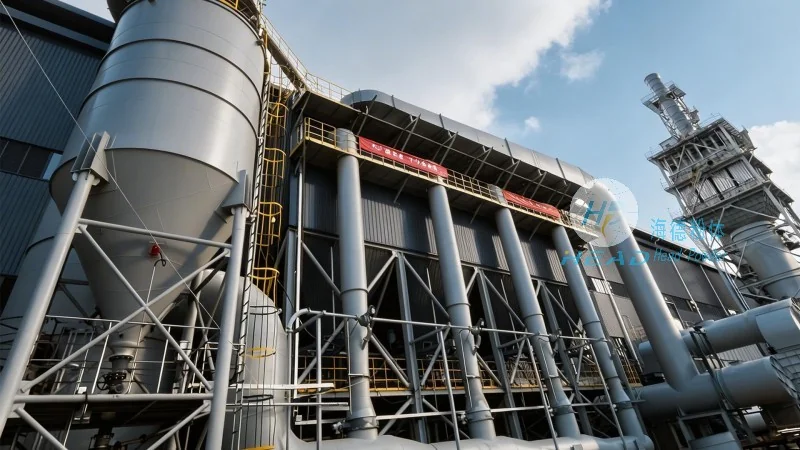
Key Design Considerations for the Negative Pressure Pneumatic Conveying System
The design of the negative pressure pneumatic conveying device for pyrolysis char involves several critical components and parameters. The system operates by creating a negative pressure (vacuum) at the receiving end, which draws the pyrolysis char from the source into the conveying line. The key design considerations include:
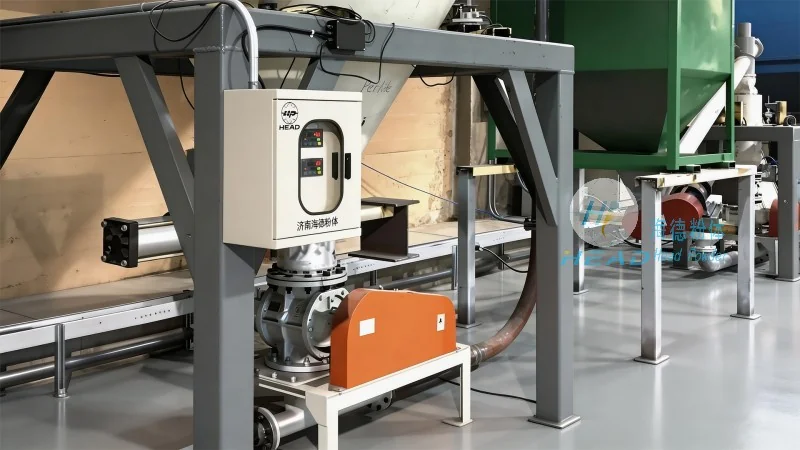
- Material Handling Capacity and Flow Rate: The system must be designed to handle the expected flow rate of pyrolysis char, typically measured in tons per hour. The design ensures that the conveying line can maintain a consistent flow without pressure drops or blockages.
- Conveying Line Sizing and Material of Construction: The diameter and length of the conveying line are determined based on the particle size distribution and the required flow rate. The material of construction, such as stainless steel or corrosion-resistant alloys, is selected to withstand the abrasive nature of pyrolysis char and prevent material degradation or contamination.
- Vacuum Generation and Control: The vacuum pump or fan system is a critical component, providing the necessary negative pressure to draw the material. The design includes control mechanisms to regulate the vacuum level, ensuring optimal conveying performance and energy efficiency.
- Filter and Dust Collection System: To maintain a clean and safe working environment, the system incorporates a high-efficiency filter and dust collection unit. This component captures any fines that may escape the conveying line, preventing dust emissions and ensuring compliance with environmental regulations.
- Valves and Control Valves: Properly sized and positioned valves are essential for controlling the flow of pyrolysis char at the source and discharge points. These valves allow for smooth start-up, shutdown, and adjustment of the conveying rate, enhancing operational flexibility.
Operational Benefits and Performance Metrics
The negative pressure pneumatic conveying system for pyrolysis char offers several operational benefits that enhance efficiency and safety in industrial applications. These benefits include:
- Efficient Material Transport: The system provides a continuous and reliable transport of pyrolysis char from the source to the destination, minimizing downtime and material loss.
- Dust-Free Operation: By operating under negative pressure, the system prevents dust emissions, creating a cleaner and safer working environment for personnel and equipment.
- Low Maintenance Requirements: The design minimizes the risk of clogging and material buildup in the conveying line, reducing maintenance frequency and associated costs.
- Energy Efficiency: The system is engineered to operate with optimal energy consumption, ensuring cost-effective operation while maintaining high conveying performance.
Application Scenarios and Industrial Integration
The negative pressure pneumatic conveying device for pyrolysis char is suitable for a wide range of industrial applications, including:
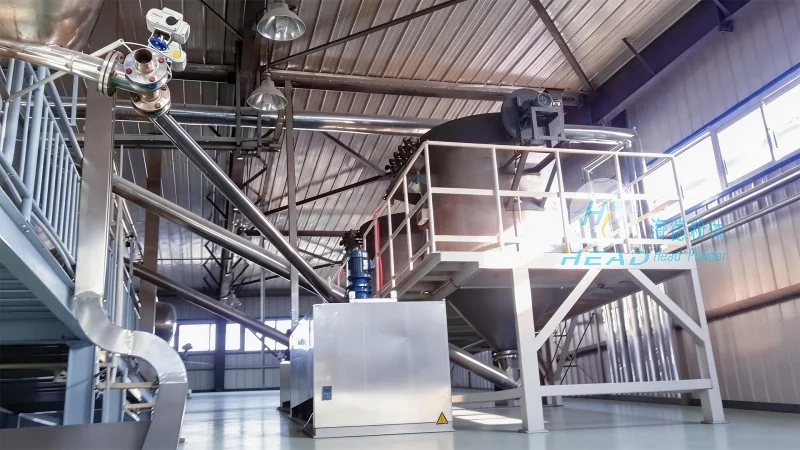
- Biomass Processing Plants: In facilities that process biomass for energy production, the system efficiently conveys pyrolysis char from reactors to storage or further processing units.
- Carbonization Facilities: In carbonization plants, the system handles the char produced from the carbonization of organic materials, ensuring smooth material flow and integration with downstream processes.
- Industrial Waste Processing: The system can be used in facilities that process industrial waste, converting waste materials into valuable char products through pyrolysis and then conveying the char for reuse or disposal.
Conclusion and Company Overview
The design of a negative pressure pneumatic conveying device for pyrolysis char represents a sophisticated solution to the challenges of handling fine carbonaceous materials in industrial processes. By addressing key design considerations such as material flow, system components, and operational efficiency, this system ensures reliable and safe transport of pyrolysis char. HeadPowder, a leading engineering company based in Shandong, China, specializes in the design and manufacturing of such advanced conveying systems, leveraging years of experience in material handling technology. With a commitment to quality and innovation, HeadPowder provides tailored solutions that meet the specific needs of industrial clients, enhancing operational efficiency and sustainability in material processing applications.




