Compound fertilizer pneumatic conveying systems are critical components in the modern fertilizer industry, enabling efficient and reliable transportation of bulk materials. These systems utilize air as the conveying medium to move compound fertilizers from storage silos or production lines to processing units or packaging facilities. The choice of the appropriate pneumatic conveying type is essential for optimizing operational efficiency, minimizing material degradation, and ensuring consistent product quality. Shandong HeadPowder Engineering Co., Ltd., a leading manufacturer of industrial conveying solutions, specializes in designing and supplying advanced pneumatic conveying systems tailored to the unique needs of the fertilizer industry. With decades of experience in material handling technology, the company has developed a range of systems that address the diverse challenges faced by fertilizer manufacturers, from large-scale production to efficient distribution.
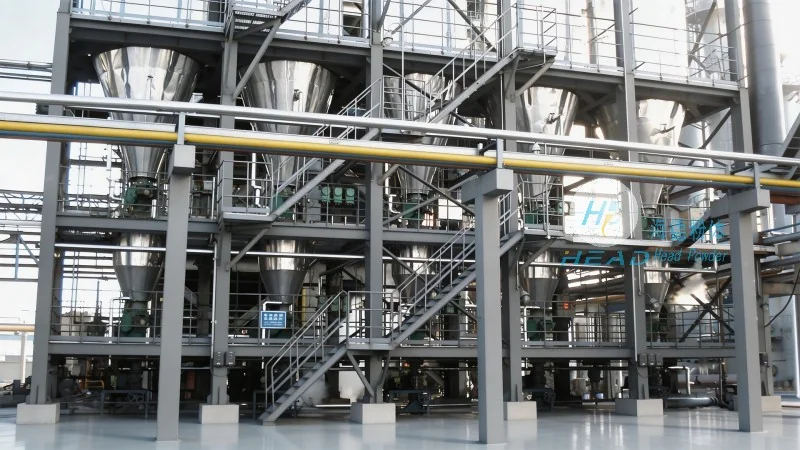
Types of Compound Fertilizer Pneumatic Conveying Systems
There are primarily two main categories of pneumatic conveying systems used for compound fertilizers: dilute-phase and dense-phase systems. Each type offers unique advantages and is suited to different operational conditions and material characteristics.
Dilute-Phase Pneumatic Conveying
Dilute-phase systems operate by suspending the material particles in a high-velocity air stream. This method is ideal for transporting dry, free-flowing materials such as granular or powdered compound fertilizers over moderate distances. The primary advantage of dilute-phase conveying is its high capacity and relatively low energy consumption. However, it may not be suitable for materials that are prone to degradation or that require gentle handling, as the high air velocity can cause abrasion or breakage of the particles.
Dense-Phase Pneumatic Conveying
Dense-phase systems, also known as low-pressure or pressure-assisted systems, transport material in a more concentrated form. The material is typically mixed with a lower volume of air or gas, resulting in a slower conveying speed and reduced particle impact. This method is particularly beneficial for handling sensitive materials, such as those with high moisture content or those that are prone to caking. Dense-phase conveying also allows for longer transport distances and can accommodate more complex system layouts, including vertical lifts and horizontal turns.
Key Features of Compound Fertilizer Pneumatic Conveying Systems
Beyond the basic type classification, several key features distinguish effective compound fertilizer pneumatic conveying systems. These features are designed to enhance performance, ensure material integrity, and adapt to varying operational requirements.
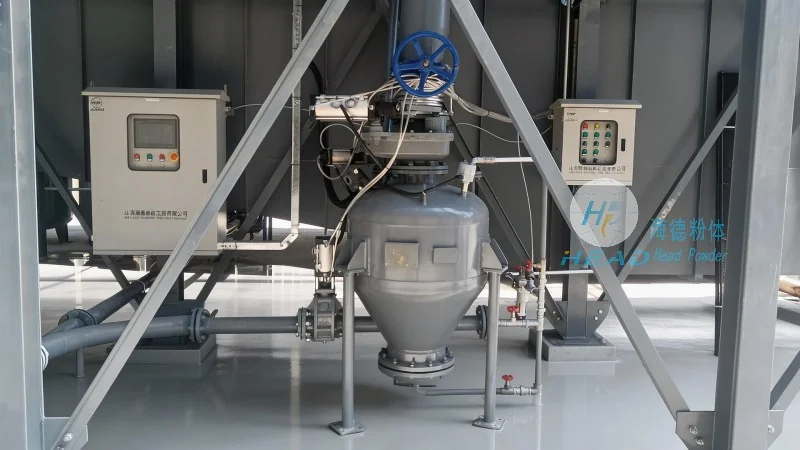
Material Handling Efficiency
Efficiency in material handling is a critical feature of any pneumatic conveying system. Modern systems are equipped with advanced control mechanisms that regulate air flow, pressure, and particle concentration to maintain optimal conveying conditions. This ensures consistent material throughput and minimizes downtime due to system inefficiencies. For compound fertilizers, which often have varying particle sizes and densities, adjustable conveying parameters are essential to prevent blockages and maintain smooth operation.
Energy Efficiency and Cost-Effectiveness
Energy consumption is a significant factor in the overall operational costs of pneumatic conveying systems. Advanced systems incorporate energy-saving technologies, such as variable frequency drives (VFDs) and optimized air compression, to reduce power usage without compromising conveying performance. Additionally, the use of dense-phase systems can lower energy costs compared to dilute-phase systems for certain applications, as they require less air volume and thus lower energy input per unit of material transported.
Material Integrity and Preservation
Preserving the quality of compound fertilizers during transportation is paramount. Pneumatic conveying systems are designed to minimize material degradation through features like gentle particle handling, reduced exposure to air (which can cause oxidation), and controlled temperature management. For example, some systems use insulated pipelines to maintain the temperature of the fertilizer, preventing moisture absorption or chemical reactions that could affect nutrient content. This is particularly important for high-value fertilizers, such as those containing nitrogen or phosphorus, where quality preservation directly impacts product value.
System Flexibility and Scalability
Flexibility and scalability are essential features for adapting to changing production needs or expanding operations. Modern pneumatic conveying systems are often modular, allowing for easy integration of additional components or expansion of the conveying network. This adaptability is crucial for fertilizer manufacturers that may need to adjust their production capacity or change the layout of their facilities over time. Additionally, the ability to switch between dilute-phase and dense-phase modes within the same system provides added flexibility, enabling the handling of a broader range of material types and applications.
Application Ranges of Compound Fertilizer Pneumatic Conveying Systems
The application ranges of compound fertilizer pneumatic conveying systems are broad and diverse, reflecting the versatility of these technologies in the fertilizer industry. The choice of system type and configuration depends on factors such as material characteristics, transport distance, system layout, and operational requirements.
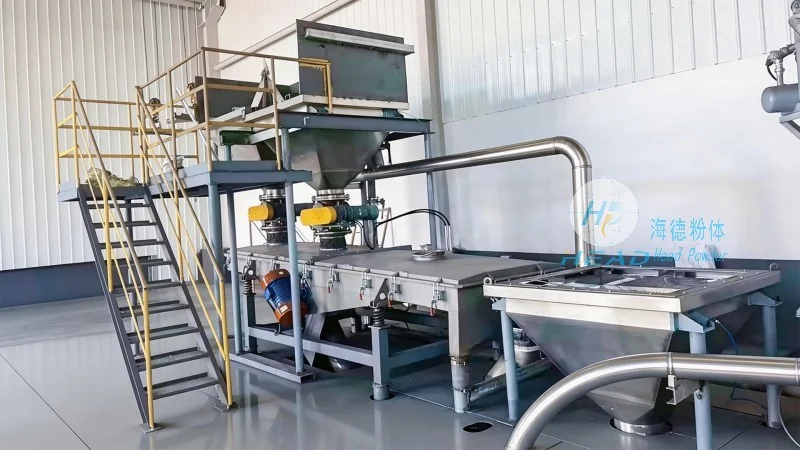
Industrial Production and Processing
In large-scale fertilizer production facilities, pneumatic conveying systems are integral to the material flow from raw material storage to final product packaging. They are commonly used to transport raw materials such as urea, ammonium nitrate, and phosphate rock from silos to mixing and granulation units. The systems ensure a continuous and controlled supply of materials, which is critical for maintaining production efficiency and meeting demand. For example, in the production of NPK (nitrogen, phosphorus, potassium) compound fertilizers, pneumatic conveying is used to blend the individual nutrient components before granulation, ensuring uniform distribution of nutrients in the final product.
Storage and Distribution
Compound fertilizer pneumatic conveying systems are also widely used in storage and distribution operations. They facilitate the transfer of bulk fertilizer from storage silos to loading trucks or railcars, enabling efficient and safe loading of products for shipment to agricultural markets. The systems can handle large volumes of material quickly, reducing the time required for loading operations and minimizing the risk of material spillage or contamination. This is particularly important for high-volume fertilizer producers who need to ensure timely delivery to their customers.
Vertical and Horizontal Transport
Pneumatic conveying systems are capable of handling both vertical and horizontal transport, making them suitable for a wide range of facility layouts. Vertical lifts are commonly used to move materials between different levels of a production facility, such as from ground-level storage to elevated processing units. Horizontal conveying is used to transport materials across the facility, connecting different processing stages or storage areas. The ability to combine vertical and horizontal transport in a single system allows for flexible and efficient material flow, reducing the need for multiple transfer points and minimizing the overall footprint of the conveying network.
Specialized Applications
Beyond standard production and storage applications, pneumatic conveying systems are used in specialized scenarios that require unique handling capabilities. For example, some systems are designed to handle wet or sticky materials, such as those with high moisture content or that tend to clog pipelines. These specialized systems may incorporate features like heated pipelines or agitators to prevent material buildup and ensure smooth operation. Additionally, pneumatic conveying is used in applications where dust control is critical, such as in facilities that handle fine powders or where environmental regulations require minimal emissions. The systems can be equipped with dust collection and filtration systems to capture and recycle fine particles, reducing air pollution and maintaining compliance with environmental standards.




