Shandong HeadPowder Engineering Co., Ltd., a leading provider in the field, specializes in the design and implementation of advanced gas-solid pneumatic conveying systems tailored for the handling of positive and negative electrode materials used in lithium-ion batteries. The company, operating from its base in Shandong, China, leverages extensive industry experience to deliver customized solutions that address the unique challenges associated with these high-value materials. This article outlines key design considerations essential for the successful development and operation of such systems, ensuring efficiency, reliability, and safety in material transport processes.
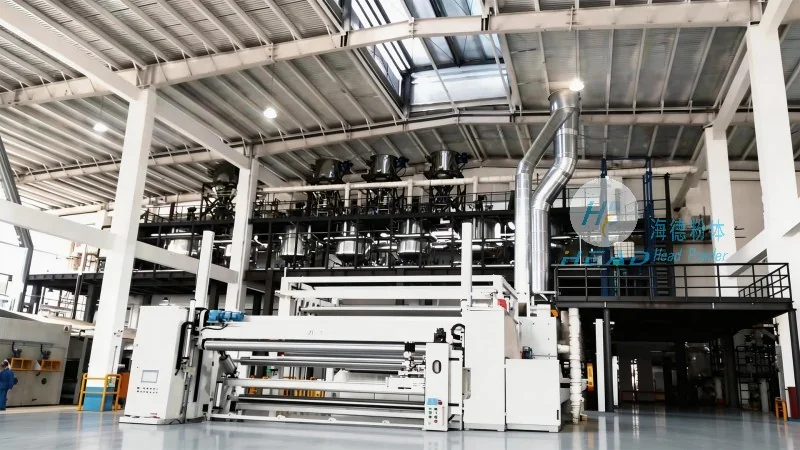
Core Components and System Architecture
The gas-solid pneumatic conveying system for electrode materials typically comprises several critical components, each playing a vital role in the overall operation. The primary elements include a material feeding unit, a conveying pipeline network, a pneumatic transport system (often utilizing air or other gases as the conveying medium), and a material discharge or collection system. The feeding unit is designed to handle the bulk material, ensuring consistent and controlled introduction into the system. The conveying pipeline is engineered to maintain the material in a suspended state, minimizing particle degradation and ensuring smooth transport. The pneumatic transport system, which may employ positive or negative pressure modes, is optimized to achieve the desired flow rates and pressure differentials. Finally, the discharge or collection system safely receives the material, often integrating with downstream processing equipment. Each component is carefully selected and sized based on the specific characteristics of the electrode material, such as particle size distribution, density, and moisture content, as well as the operational requirements of the application.
Design Considerations for Material Handling
When designing a pneumatic conveying system for positive and negative electrode materials, several factors must be carefully evaluated to ensure optimal performance. The first consideration is the particle size and shape of the material. Electrode materials often consist of fine powders or granules, which can present challenges in terms of flowability and suspension. The system design must account for these characteristics to prevent issues like blockages or uneven flow. Additionally, the material's density and bulk density are critical parameters, as they influence the required air velocity and pressure to maintain material transport. The system must be engineered to achieve the appropriate air-to-solid ratio, ensuring that the material remains suspended without excessive energy consumption. Moisture content is another important factor, as high moisture levels can lead to material agglomeration and increased friction, potentially causing system inefficiencies or equipment damage. Therefore, the design may incorporate drying or moisture control measures to maintain optimal material properties. Furthermore, the system must be capable of handling variations in material feed rate, as production processes may require adjustments to the flow rate. The conveying system should be designed with flexibility to accommodate these changes without compromising performance or safety.
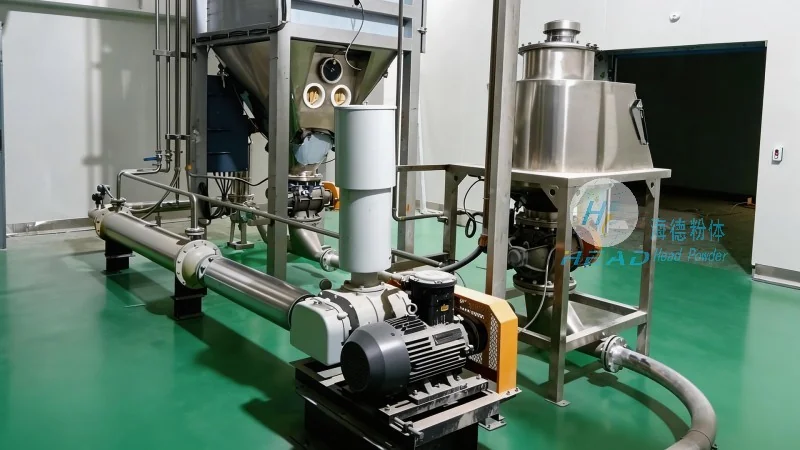
System Performance Optimization and Control
Optimizing the performance of a gas-solid pneumatic conveying system involves a combination of engineering principles and advanced control strategies. The system's performance is evaluated based on key metrics such as conveying capacity, pressure drop, and energy efficiency. Engineers at Shandong HeadPowder Engineering Co., Ltd. employ computational fluid dynamics (CFD) and other simulation tools to model the material flow and identify potential bottlenecks or areas for improvement. This allows for the fine-tuning of system parameters, such as air velocity, pipeline diameter, and material feed rate, to achieve the desired performance targets. The control system plays a crucial role in maintaining stable operation. Modern pneumatic conveying systems often utilize automated control systems that monitor real-time parameters, including pressure, flow rate, and material level, and adjust the system settings accordingly. This ensures consistent performance and reduces the risk of operational disruptions. The control system may also include safety features, such as pressure relief valves and emergency shutdown mechanisms, to protect the equipment and personnel from potential hazards. Additionally, the system may incorporate feedback loops to continuously optimize performance based on operational data, enhancing long-term efficiency and reliability.
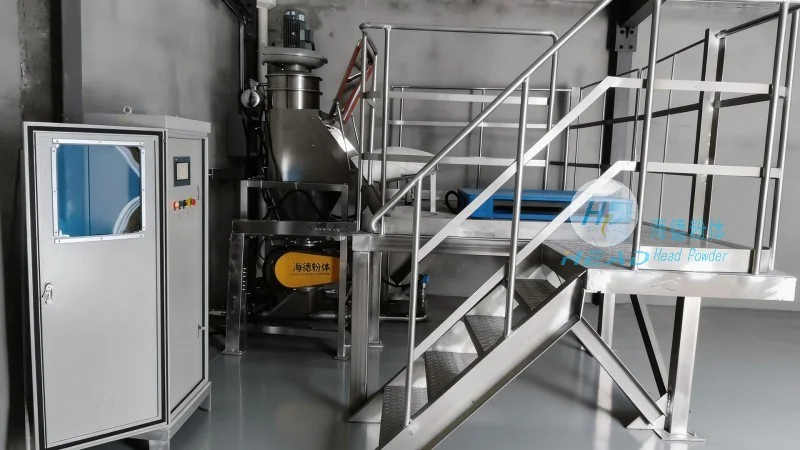
Material Compatibility and Equipment Selection
The selection of equipment and materials for the pneumatic conveying system is critical to ensure compatibility with the electrode materials and to maintain system longevity. The conveying pipeline and components must be constructed from materials that are resistant to corrosion and wear caused by the electrode materials. For example, materials like stainless steel or specialized alloys may be used to prevent chemical reactions or material buildup on the equipment surfaces. The feeding and discharge equipment must be designed to handle the specific characteristics of the electrode material, such as its abrasiveness or tendency to adhere to surfaces. The use of wear-resistant coatings or liners on components can extend the equipment's service life and reduce maintenance costs. Furthermore, the system must be designed to prevent contamination of the electrode material, as even trace amounts of foreign substances can affect the quality of the final product. This includes implementing proper sealing and cleaning procedures to maintain material purity. The equipment selection process also considers the operational environment, such as temperature and humidity, to ensure that the system operates effectively under various conditions. By carefully selecting compatible materials and equipment, the system can achieve long-term reliability and minimize downtime.
Case Study: Successful Implementation of a Pneumatic Conveying System
Shandong HeadPowder Engineering Co., Ltd. has successfully implemented numerous gas-solid pneumatic conveying systems for clients in the battery manufacturing industry. One notable case involved a client requiring a system to transport high-purity positive electrode materials over a distance of 200 meters. The system was designed with a positive pressure mode, utilizing a high-efficiency blower to maintain the required air pressure. The pipeline was constructed from stainless steel with a diameter of 150 mm, optimized to handle the fine powder without causing excessive pressure drop. The feeding unit was equipped with a rotary valve to ensure consistent material feed, while the discharge system integrated with the client's downstream mixing equipment. The system was commissioned with minimal downtime, achieving a conveying capacity of 10 tons per hour with a pressure drop of less than 0.5 bar. The client reported significant improvements in material handling efficiency and reduced labor costs compared to traditional methods. This success highlights the importance of careful system design and engineering expertise in delivering effective solutions for electrode material transport.




