Cement raw material pneumatic conveying is a critical technology in the cement production industry, enabling efficient and reliable transport of raw materials from storage to processing units. This method involves using air as the conveying medium to move bulk materials, such as limestone, clay, and iron ore, through pipelines. The selection of the appropriate pneumatic conveying system depends on various factors, including material properties, plant layout, and operational requirements. Understanding the different types, key characteristics, and application ranges of these systems is essential for optimizing production efficiency and ensuring consistent quality in cement manufacturing.
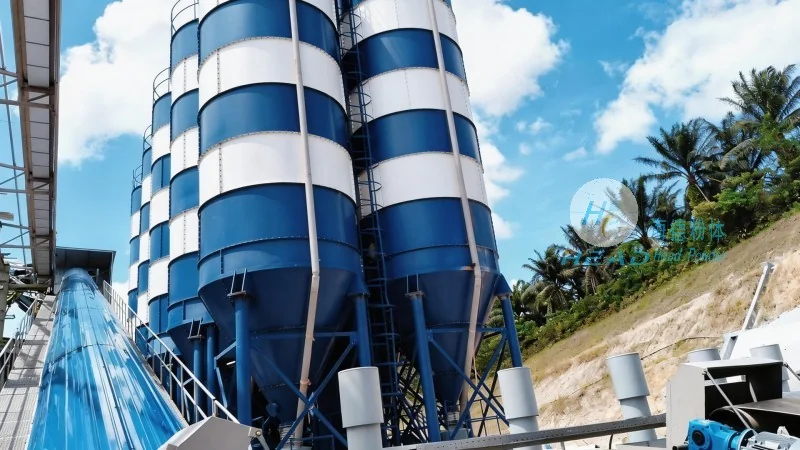
Overview of Pneumatic Conveying Systems for Cement Raw Materials
Pneumatic conveying systems for cement raw materials are categorized based on the pressure of the conveying air. The primary types include positive pressure systems, negative pressure systems, and mixed pressure systems. Each type has distinct advantages and is suitable for different operational scenarios. Positive pressure systems operate by blowing air into the conveying line, which pushes the material forward. Negative pressure systems, on the other hand, create a vacuum to draw material into the system. Mixed pressure systems combine elements of both, offering flexibility in handling various material characteristics and plant configurations.
Key Characteristics of Different Pneumatic Conveying Types
Positive pressure pneumatic conveying systems are widely used in cement plants due to their ability to handle a wide range of material sizes and moisture content. These systems typically use high-pressure blowers to generate the necessary air flow, ensuring consistent material transport. The main advantages include high conveying capacity, minimal material degradation, and the ability to handle abrasive materials without significant wear on equipment. However, they require robust pipeline systems and proper maintenance to prevent air leaks and ensure efficient operation.
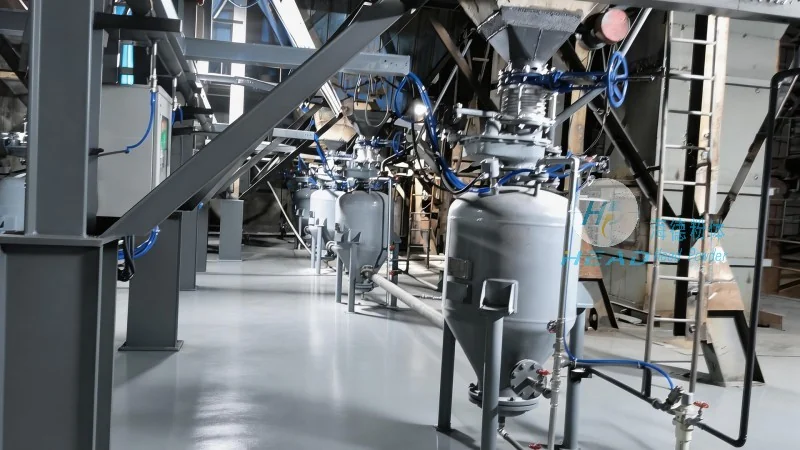
Negative pressure systems are often preferred for applications where dust control is a priority, as they create a sealed environment that prevents dust from escaping into the plant. These systems are suitable for handling fine powders and materials that are sensitive to air pressure changes. The key characteristics include lower energy consumption compared to positive pressure systems, reduced noise levels, and better control over material flow. Nonetheless, they may have lower conveying capacities and require more careful design to avoid material buildup in the pipeline.
Mixed pressure systems offer a balanced approach, combining the benefits of both positive and negative pressure systems. They can handle a variety of material types and plant layouts, making them versatile for different cement production facilities. The characteristics of mixed pressure systems include adjustable conveying pressure, which allows for optimization based on material properties and operational needs. This flexibility makes them suitable for both short and long-distance conveying tasks, as well as for handling materials with varying particle sizes and moisture levels.
Application Ranges of Cement Raw Material Pneumatic Conveying Systems
The application ranges of cement raw material pneumatic conveying systems are broad and depend on the specific requirements of the cement production process. These systems are commonly used in the initial stages of cement manufacturing, where raw materials are transported from storage silos to grinding units. They are also employed in the blending and preheating stages, where materials are mixed and heated before entering the kiln. Additionally, pneumatic conveying systems are utilized in the handling of clinker and other finished products, ensuring efficient distribution within the plant.
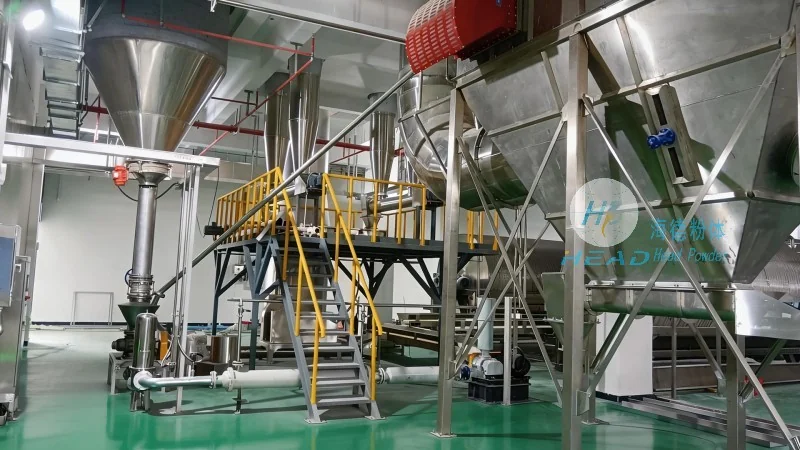
One of the primary applications is the transport of limestone, the main raw material in cement production. Limestone is typically stored in large silos and conveyed pneumatically to the grinding mill, where it is crushed and ground into fine powder. The efficiency of the conveying system directly impacts the overall production rate, as delays in material transport can lead to bottlenecks in the grinding process. Another key application is the handling of clay and iron ore, which are used as supplementary raw materials to adjust the chemical composition of the cement. These materials are often mixed with limestone and conveyed together to the preheater or kiln.
The application range also extends to the handling of additives and other auxiliary materials, such as gypsum and fly ash. These materials are added to the cement mix to control setting time and improve performance. Pneumatic conveying systems ensure that these additives are uniformly distributed throughout the raw material blend, enhancing the quality of the final cement product. Furthermore, these systems are used in the transport of clinker from the kiln to the cement storage silos, where it is cooled and stored before being ground into cement.
Factors Influencing the Selection of Pneumatic Conveying Systems
The selection of the appropriate pneumatic conveying system for cement raw materials is influenced by several key factors. Material properties, such as particle size, density, and moisture content, play a critical role in determining the type of system to use. For example, fine powders with high moisture content may require negative pressure systems to prevent material caking and blockages. Plant layout and available space also impact the choice, as positive pressure systems may need more extensive pipeline networks, while negative pressure systems can be more compact.
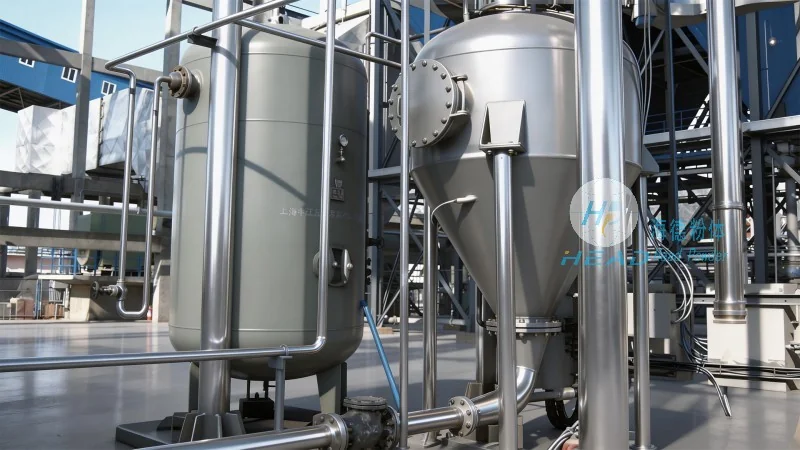
Operational requirements, including conveying distance, capacity, and required material flow rate, are also important considerations. Longer conveying distances may necessitate higher air pressure or more powerful blowers, while higher capacity demands may require larger pipeline diameters and more robust equipment. Additionally, the need for dust control and environmental compliance can influence the system selection, as negative pressure systems offer better containment of dust compared to positive pressure systems.
The experience and expertise of the system provider are also crucial factors. Companies like Shandong HeadPowder Engineering Co., Ltd., with a focus on industrial engineering solutions, offer comprehensive services including system design, installation, and maintenance. Their expertise in handling various material types and plant configurations ensures that the selected pneumatic conveying system meets the specific needs of the cement production facility. By considering these factors, cement manufacturers can optimize their material transport processes, improve efficiency, and enhance overall production performance.




