For industries dealing with fine powders, such as ceramic materials, the choice of conveying method is critical to operational efficiency, material integrity, and overall system reliability. Among the various pneumatic conveying technologies, positive pressure and negative pressure systems represent two primary approaches, each with distinct characteristics and applications. This analysis delves into the differences between positive pressure and negative pressure conveying for ceramic powders, highlighting their mechanisms, advantages, disadvantages, and optimal use cases.
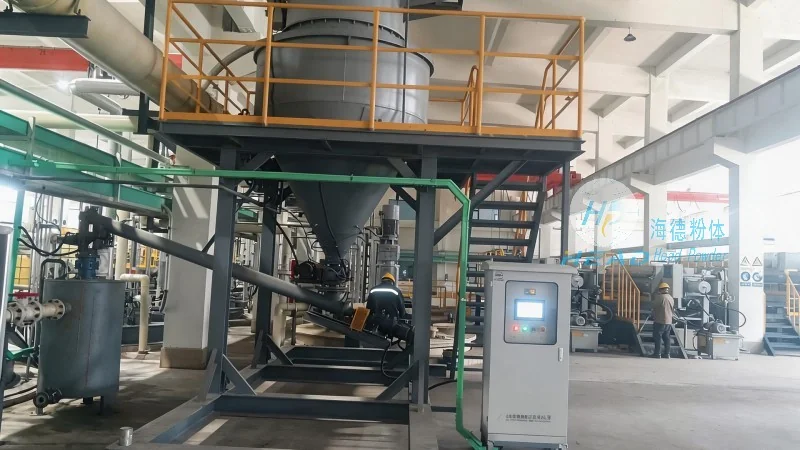
Understanding Pneumatic Conveying Basics
Pneumatic conveying uses air or gas to transport solid materials through a pipeline. The two main categories are positive pressure (also known as pressure or pressure-assisted) and negative pressure (or vacuum-assisted) systems. Both rely on air movement to move material, but they differ in how the air is introduced and controlled within the system.
Positive Pressure Conveying: The Forward Air Flow Approach
Positive pressure conveying operates by blowing air into the conveying line, creating a pressure higher than the ambient environment. This method pushes the material forward through the pipeline. The system typically includes a blower or compressor at the inlet, a hopper or feeder to introduce the material, and a discharge point where the material is released.
Key features of positive pressure systems include:
- Continuous or intermittent operation, depending on the application.
- Ability to handle a wide range of particle sizes and moisture content.
- Reduced risk of material degradation due to lower air velocity compared to some negative pressure systems.
- Lower maintenance requirements as the system operates under positive pressure, reducing the risk of external contaminants entering the line.
However, positive pressure systems may have limitations when dealing with highly abrasive or corrosive materials, as the higher air pressure can accelerate wear on components. Additionally, they may require more energy to operate, especially for long-distance or high-capacity applications.
Negative Pressure Conveying: The Suction Approach
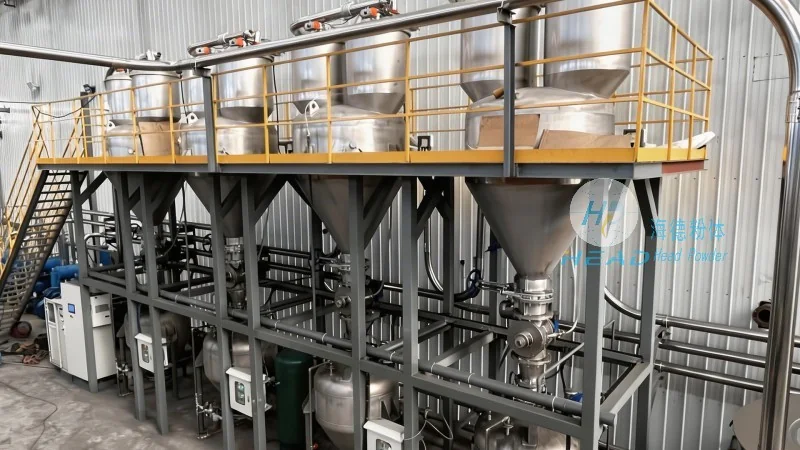
Negative pressure conveying, conversely, uses a vacuum or suction to draw material into the conveying line. The system includes a vacuum pump at the discharge end, a hopper or feeder at the inlet, and a collection point where the material is deposited. The air flow is directed backward, pulling the material along with it.
Advantages of negative pressure systems include:
- Lower energy consumption compared to positive pressure systems, as the vacuum pump operates at lower pressure levels.
- Reduced noise and vibration, making them suitable for applications in sensitive environments.
- Ability to handle materials with higher moisture content or sticky properties, as the suction action can help break up agglomerates.
Nevertheless, negative pressure systems have their drawbacks. They are more susceptible to contamination from the environment, as external air can enter the system through leaks or improper sealing. This can affect the purity of the material, especially for high-value or sensitive ceramic powders. Additionally, the vacuum pump may require more maintenance due to the higher volume of air being handled.
Comparative Analysis: Which System is Right for Ceramic Powders?
When selecting between positive and negative pressure conveying for ceramic powders, several factors must be considered. The choice depends on the specific characteristics of the material, the distance to be conveyed, the required capacity, and the operational environment.
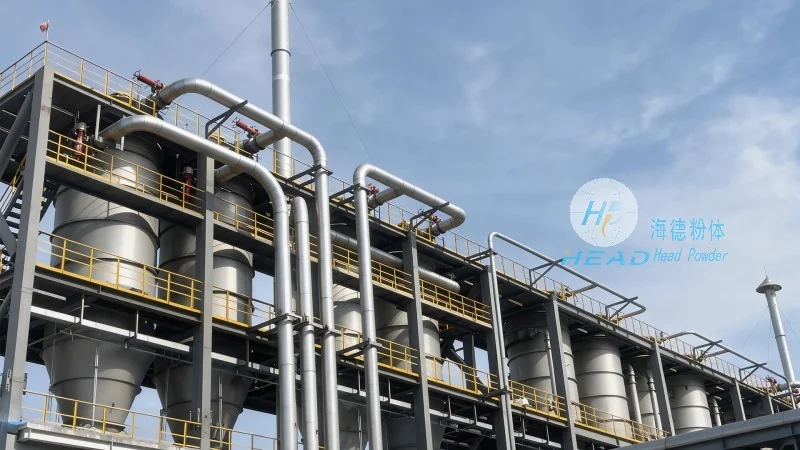
For short-distance conveying of non-abrasive ceramic powders, positive pressure systems are often preferred due to their simplicity and reliability. They are well-suited for applications where material integrity is paramount, such as transporting fine ceramic powders for ceramic tile production or porcelain manufacturing.
On the other hand, negative pressure systems excel in applications requiring long-distance transport or where material purity is critical. For example, in the production of high-purity ceramic powders for electronic components, negative pressure conveying can help maintain the material's quality by minimizing exposure to external contaminants. They are also advantageous in environments where noise control is a priority, such as in residential or urban areas near the processing facility.
Application Examples in the Ceramic Industry
Both positive and negative pressure conveying are widely used in the ceramic industry. Positive pressure systems are commonly employed in the transportation of raw materials like clay and feldspar from storage silos to processing lines. Negative pressure systems, meanwhile, are often used in the handling of finished ceramic powders, such as those used in ceramic coatings or advanced ceramic products.
Shandong HeadPowder Engineering Co., Ltd., a leading provider of pneumatic conveying solutions, specializes in designing and manufacturing customized systems tailored to the unique needs of ceramic manufacturers. With decades of experience in the industry, the company has developed expertise in optimizing both positive and negative pressure systems for various ceramic applications, ensuring efficient and reliable material transport while maintaining the highest standards of material quality.




