HeadPowder, a leading provider in the field of powder handling and conveying solutions, specializes in optimizing material transport processes for various industrial applications. This article provides a comprehensive comparison of negative pressure and positive pressure conveying systems, focusing on their applications in the gas-pneumatic transport of magnesium sulfate. The analysis aims to help industry professionals make informed decisions based on operational requirements, cost considerations, and safety standards.
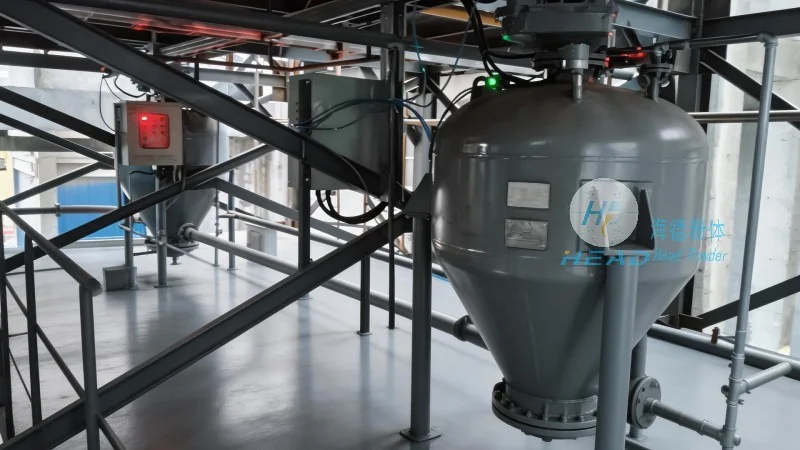
Shandong HeadPowder Engineering Co., Ltd., based in Shandong, China, is committed to delivering efficient and reliable conveying technologies. Our expertise in powder handling ensures that clients can select the most suitable system for their specific magnesium sulfate transport needs, balancing performance, cost, and operational safety.
Overview of Negative Pressure Conveying for Magnesium Sulfate
Negative pressure conveying, also known as suction conveying, operates by creating a vacuum at the material inlet to draw the powder into the conveying line. This method is particularly effective for transporting fine powders like magnesium sulfate over moderate distances. The primary advantage of negative pressure systems is their ability to handle materials that are prone to dust generation or require airtight containment, as the vacuum environment minimizes particle dispersion and exposure to the environment.
However, negative pressure conveying has several limitations. The most significant drawback is the restriction on conveying distance and material capacity. The vacuum pressure typically limits the system to shorter distances, often under 100 meters, and may not handle large volumes efficiently. Additionally, the system requires a dedicated exhaust system to manage the air and dust, which can increase operational costs and maintenance requirements. The initial setup and maintenance of the vacuum pump and associated equipment also add to the overall cost, making it less economical for large-scale operations.
Advantages of Positive Pressure Conveying for Magnesium Sulfate
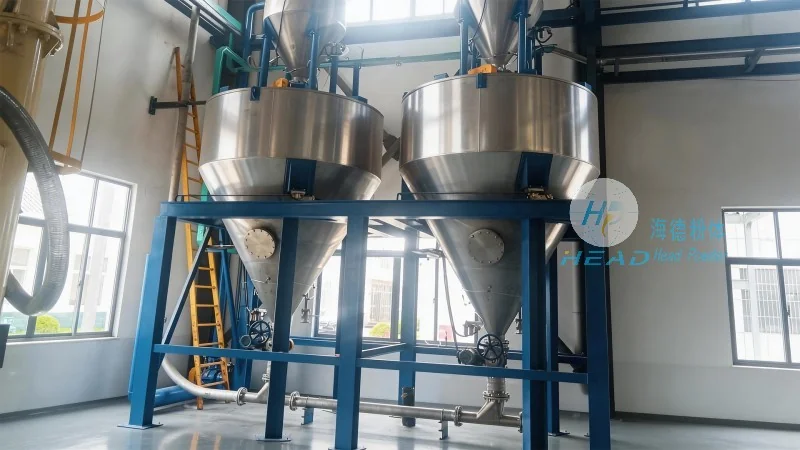
Positive pressure conveying, or pressure conveying, works by forcing air or gas through the material to transport it. This method is suitable for longer distances and larger material volumes, making it ideal for industrial applications where magnesium sulfate needs to be moved over extended distances or in bulk quantities. The primary advantage is the ability to handle longer conveying distances, often up to several hundred meters, and higher material flow rates. Positive pressure systems also offer better control over the material flow, reducing the risk of blockages and ensuring consistent transport rates.
Despite these benefits, positive pressure conveying has its own set of challenges. The most notable disadvantage is the potential for increased dust and particle dispersion, as the high-pressure air can cause the powder to become airborne. This poses health and safety risks, requiring additional dust control measures such as filtration systems. The system also demands more energy to maintain the pressure, leading to higher operational costs compared to negative pressure systems. The initial investment in high-pressure blowers and the associated infrastructure can be substantial, making it less feasible for smaller-scale operations.
Key Differences and Selection Criteria
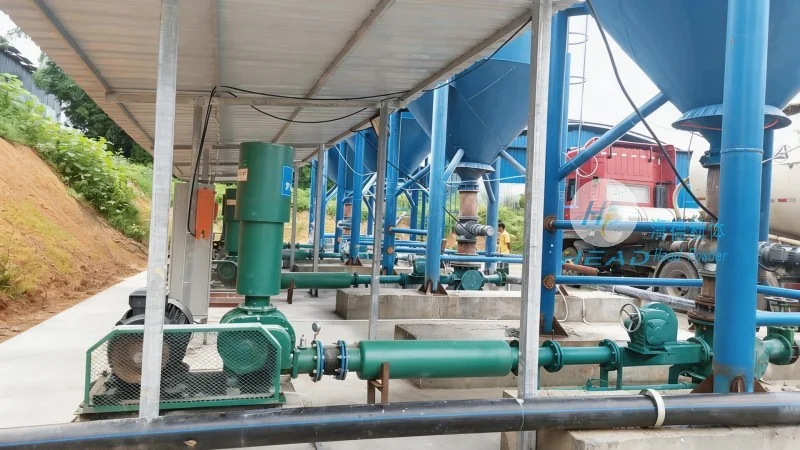
When deciding between negative and positive pressure conveying for magnesium sulfate, several factors must be considered. The primary determinant is the conveying distance and material volume. For short distances and moderate volumes, negative pressure systems are often more cost-effective and simpler to install. Conversely, for longer distances or bulk transport, positive pressure systems provide better performance and efficiency.
Operational safety is another critical factor. Negative pressure systems are generally safer as they minimize dust exposure by drawing material into the system rather than expelling it. Positive pressure systems, while effective for long distances, require robust dust control measures to protect personnel and the environment. Cost considerations also play a significant role. Negative pressure systems have lower energy consumption and simpler equipment, making them more economical for smaller operations. Positive pressure systems, though more expensive initially, may be justified for large-scale applications where the benefits of longer distance and higher capacity outweigh the costs.
Conclusion
Both negative pressure and positive pressure conveying systems have their unique advantages and limitations when applied to the gas-pneumatic transport of magnesium sulfate. The choice between the two depends on specific operational requirements, including distance, material volume, safety standards, and budget constraints. Shandong HeadPowder Engineering Co., Ltd. offers tailored conveying solutions that can be adapted to meet these needs, ensuring efficient and reliable transport of magnesium sulfate while adhering to industry best practices.




