When it comes to transporting yeast efficiently and safely, the choice between negative pressure and positive pressure pneumatic conveying systems is a critical decision for many industrial applications. Both methods offer distinct advantages and drawbacks, and understanding these can help businesses select the most suitable solution for their specific needs. This article provides a detailed comparison of negative pressure and positive pressure pneumatic conveying systems, focusing on their applications in yeast handling, with insights from industry experts at Shandong HeadPowder Engineering Co., Ltd., a leading provider of pneumatic conveying solutions based in China.
Understanding Pneumatic Conveying Systems for Yeast
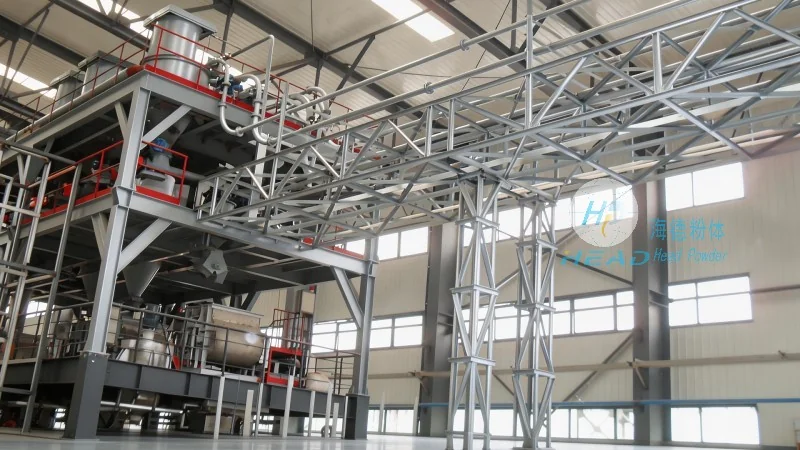
Pneumatic conveying is a method of transporting bulk materials like yeast through a pipeline using air or gas. It eliminates the need for mechanical components such as belts or buckets, making it ideal for handling sensitive materials that require minimal contact with equipment. The two primary types of pneumatic conveying systems are negative pressure (or suction) and positive pressure (or pressure) systems. Each operates on a different principle, leading to different performance characteristics and suitability for various industrial scenarios.
Advantages of Negative Pressure Pneumatic Conveying for Yeast
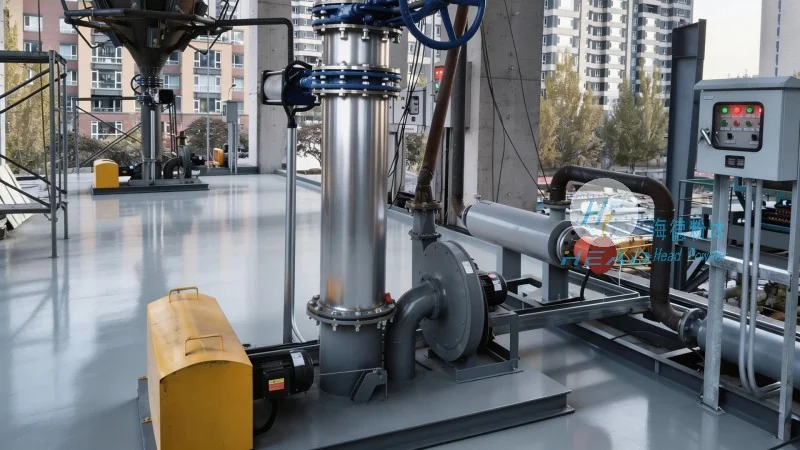
Negative pressure pneumatic conveying systems operate by creating a vacuum at the receiving end of the pipeline, drawing the yeast material from the source into the system. This method is particularly effective for applications where the yeast needs to be transported from a higher elevation to a lower one, as the vacuum pulls the material downward. One of the key advantages of negative pressure systems is their ability to handle fine or dusty materials without causing excessive wear on the equipment. The low pressure environment also reduces the risk of material degradation, making it suitable for sensitive yeast strains that are prone to clumping or oxidation. Additionally, negative pressure systems are generally more energy-efficient for short to medium distance conveying, as they require less power to maintain the vacuum compared to pressurized systems. For example, in bakeries or breweries where yeast is transported from storage silos to production lines, negative pressure systems can provide a gentle and efficient transfer process, preserving the quality of the yeast.
Disadvantages of Negative Pressure Pneumatic Conveying for Yeast
Despite its advantages, negative pressure pneumatic conveying has several limitations when applied to yeast handling. One major drawback is its limited conveying distance and capacity. The vacuum created by the system can only effectively transport materials over short to medium distances, typically up to a few hundred meters. Beyond this range, the pressure drop becomes too significant, leading to reduced material flow rates and potential blockages in the pipeline. Another disadvantage is the risk of air leakage and contamination. Since the system operates under a vacuum, any breach in the pipeline can allow external air or contaminants to enter, compromising the purity of the yeast. This makes negative pressure systems less suitable for applications requiring high levels of material containment and hygiene. Furthermore, the equipment used in negative pressure systems, such as vacuum pumps and suction nozzles, may require more frequent maintenance due to the abrasive nature of fine yeast particles. Regular cleaning and replacement of filters are necessary to prevent clogging and ensure consistent performance.
Advantages of Positive Pressure Pneumatic Conveying for Yeast
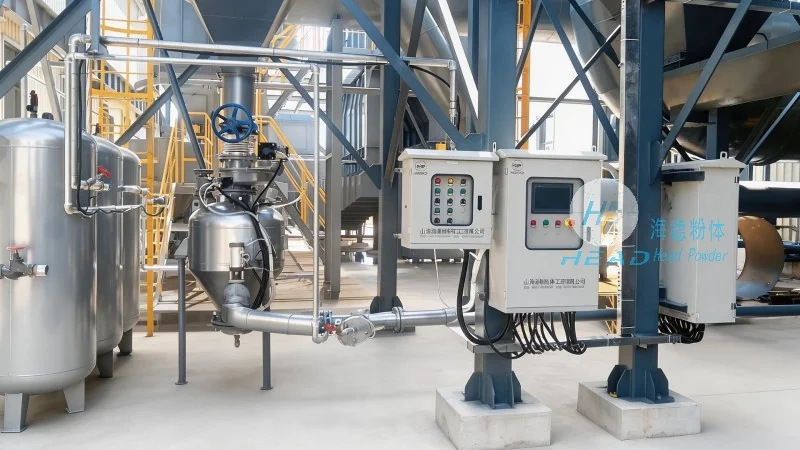
Positive pressure pneumatic conveying systems, on the other hand, operate by pressurizing the material at the source and pushing it through the pipeline using compressed air or gas. This method is ideal for applications where the yeast needs to be transported over longer distances or from a lower elevation to a higher one. One of the primary advantages of positive pressure systems is their ability to handle a wide range of material sizes and densities, including coarse or lumpy yeast particles. The high pressure environment ensures that the material is fully suspended in the air stream, reducing the risk of blockages and ensuring consistent flow rates. Positive pressure systems also offer greater flexibility in terms of conveying distance, with some models capable of transporting materials over several kilometers. This makes them suitable for large-scale industrial operations where yeast is transported from central storage facilities to multiple production sites. Another advantage is the reduced risk of material contamination, as the system is sealed and pressurized, preventing external air or contaminants from entering the pipeline. This is particularly important in food and beverage industries where hygiene standards are stringent. Additionally, positive pressure systems are generally more robust and durable, with fewer moving parts that require maintenance compared to negative pressure systems. The use of compressed air as the driving force also allows for easier integration with existing industrial systems, such as air compressors and dust collectors.
Disadvantages of Positive Pressure Pneumatic Conveying for Yeast
While positive pressure pneumatic conveying offers several benefits, it also has its own set of drawbacks. One of the main disadvantages is the higher energy consumption compared to negative pressure systems. Pressurizing the material requires more power from the air compressor, which can increase operational costs, especially for large-scale operations. The high pressure environment also increases the risk of equipment wear and tear, as the material is subjected to higher forces during transport. This may lead to more frequent replacement of components such as pipeline elbows, valves, and filters, increasing maintenance costs over time. Another disadvantage is the potential for material degradation due to the high velocity of the air stream. If the conveying velocity is too high, the yeast particles may experience excessive friction and impact, leading to clumping or damage to the material's structure. This can affect the performance of the yeast in subsequent processes, such as fermentation or baking. Furthermore, positive pressure systems are generally more complex to install and maintain, as they require a more robust infrastructure, including larger air compressors and more extensive pipeline networks. The initial setup costs are higher compared to negative pressure systems, which may be a consideration for small-scale operations or businesses with limited budgets.
Key Considerations for Choosing Between Negative and Positive Pressure Systems
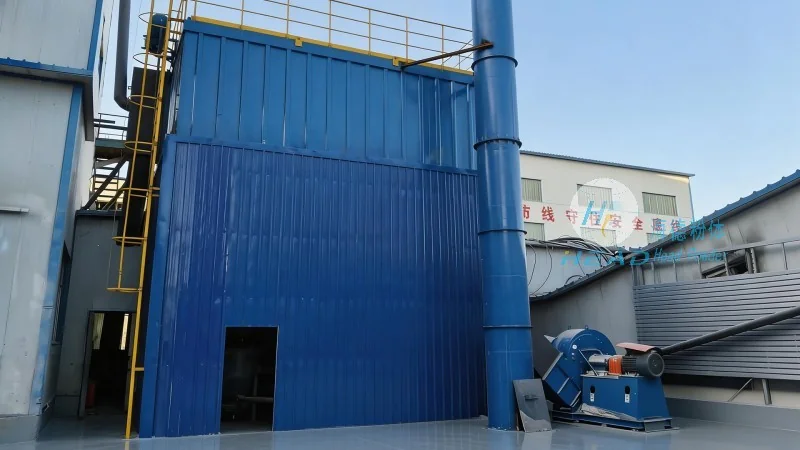
When selecting between negative and positive pressure pneumatic conveying systems for yeast handling, several factors need to be considered. The first and most important factor is the conveying distance and elevation changes. For short distances and downward transport, negative pressure systems are often more suitable due to their lower energy consumption and gentler handling of fine materials. For longer distances or upward transport, positive pressure systems are preferred as they can maintain consistent flow rates over greater distances. The second factor is the material characteristics, including particle size, density, and moisture content. Fine or dusty yeast particles are better suited for negative pressure systems, as they are less likely to cause blockages in the pipeline. Coarse or lumpy materials may require positive pressure systems to ensure proper suspension and flow. The third factor is the required level of material containment and hygiene. If the yeast is used in food or pharmaceutical applications where contamination is a concern, positive pressure systems are generally more suitable due to their sealed and pressurized design. The fourth factor is the operational budget and maintenance requirements. Negative pressure systems are more energy-efficient and have lower maintenance costs for short-distance applications, while positive pressure systems offer greater flexibility and durability for long-distance operations but at a higher cost. Finally, the existing infrastructure and integration with other industrial systems should be considered. If the facility already has a compressed air system, positive pressure conveying may be easier to integrate, whereas negative pressure systems may require additional vacuum equipment.
Case Study: Application of Pneumatic Conveying Systems by Shandong HeadPowder Engineering Co., Ltd.
Shandong HeadPowder Engineering Co., Ltd., a leading manufacturer of pneumatic conveying solutions based in China, has extensive experience in designing and implementing both negative and positive pressure systems for yeast handling. The company has successfully completed numerous projects for clients in the food and beverage industry, including bakeries, breweries, and yeast producers. For example, one client, a large-scale bakery, required a system to transport yeast from storage silos to multiple production lines over a distance of 200 meters. The client chose a negative pressure system due to the short distance and the need to handle fine yeast particles without causing degradation. The system was designed with a vacuum pump and a series of suction nozzles to ensure gentle and efficient transfer of the yeast. The result was a consistent flow rate of 500 kg per hour, with minimal material loss and no blockages in the pipeline. The client reported that the negative pressure system preserved the quality of the yeast, leading to better fermentation results and improved product quality. Another client, a yeast producer, needed a system to transport coarse yeast particles from a central storage facility to several production sites over a distance of 5 kilometers. The client opted for a positive pressure system due to the long distance and the need to handle larger particles. The system was equipped with a high-pressure air compressor and a series of pressure nozzles to ensure proper suspension and flow. The result was a consistent flow rate of 2,000 kg per hour, with no material degradation or blockages. The client reported that the positive pressure system was more reliable and efficient than traditional mechanical conveying methods, reducing operational costs and increasing productivity. These case studies demonstrate the effectiveness of both negative and positive pressure pneumatic conveying systems in yeast handling, and how the choice of system depends on the specific requirements of the application.




