Quicklime, also known as calcium oxide (CaO), is a vital industrial material utilized in sectors like steel production, water treatment, and chemical manufacturing. Efficient and reliable material handling of quicklime is indispensable for maintaining smooth operations and preserving product quality. This article delves into the fundamental aspects of quicklime material handling, exploring its design principles, key considerations, and the role of specialized equipment in optimizing the process.
Understanding Quicklime Properties and Handling Challenges
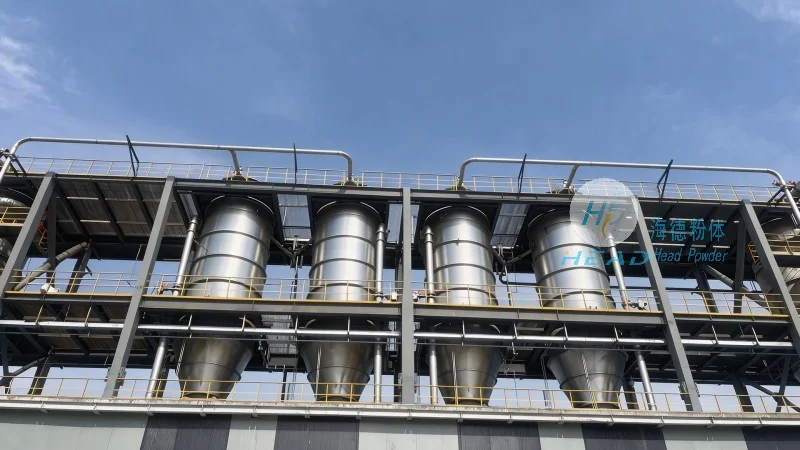
Before examining the design principles of quicklime material handling, it is crucial to grasp the unique properties of quicklime that influence handling methods. Quicklime is a highly reactive substance that releases significant heat and moisture when exposed to air or water, a phenomenon known as slaking. This reactivity makes handling challenging, as it can lead to dust formation, caking, and equipment corrosion if not managed properly. Additionally, quicklime is often stored in bulk quantities, necessitating robust storage and transfer systems to maintain its integrity and prevent material degradation.
Key Design Principles for Quicklime Material Handling Systems
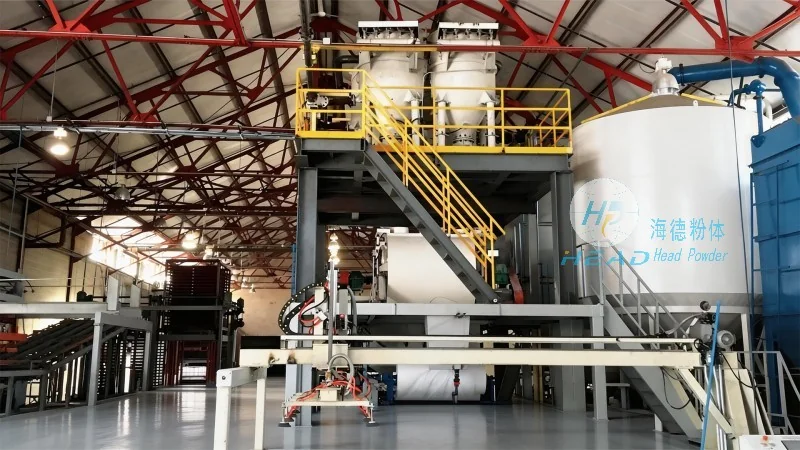
The design of quicklime material handling systems must adhere to several critical principles to ensure safety, efficiency, and durability. First, the system should minimize exposure to moisture and air to prevent premature slaking, which can result in material loss and equipment damage. This is typically achieved through enclosed storage and transfer equipment, such as silos and pneumatic conveyors, that keep the quicklime dry and protected. Second, the design must prioritize dust control, as quicklime dust is both a health hazard and can cause pipeline and equipment clogging. Effective dust suppression measures, including wetting systems and sealed conveyors, are essential components of a well-designed system. Third, the system should be constructed from materials resistant to chemical and thermal stress, such as stainless steel or specialized alloys, to withstand the corrosive nature of quicklime and the heat generated during slaking.
Common Equipment Used in Quicklime Material Handling
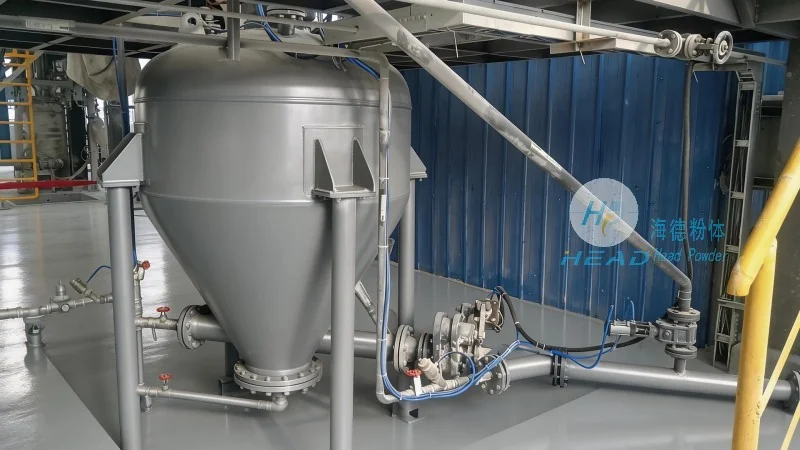
Several types of equipment are commonly employed in quicklime material handling systems, each serving a specific function in the process. Storage silos are used to store quicklime in bulk, providing a stable and controlled environment to maintain product quality. These silos are typically equipped with agitators to prevent caking and ensure uniform material flow. Pneumatic conveyors are widely used for transferring quicklime from storage to processing areas, as they can handle dry powders efficiently and with minimal dust generation. These systems use air pressure to move the material through pipelines, reducing the need for mechanical components that could be prone to wear and tear. Additionally, bucket elevators and belt conveyors are used for vertical and horizontal material transport, respectively, in situations where pneumatic conveyors are not feasible or cost-effective.
Ensuring Safety and Compliance in Quicklime Handling
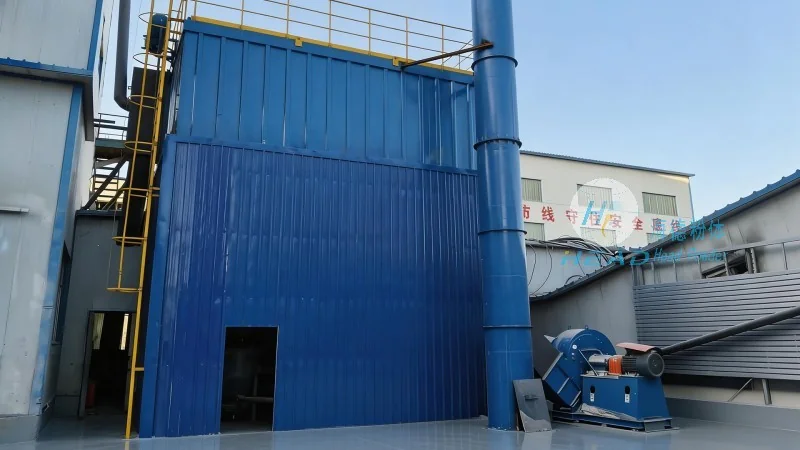
Due to the hazardous nature of quicklime, safety is a paramount consideration in its material handling. Proper personal protective equipment (PPE), such as gloves, goggles, and respirators, must be used by operators to prevent skin irritation and respiratory issues. The system design should also include emergency shutdown mechanisms and dust collection systems to mitigate risks in case of equipment failure or accidental exposure. Furthermore, compliance with local regulations and industry standards, such as those from the Occupational Safety and Health Administration (OSHA) or the European Union's REACH regulations, is essential to ensure the system meets safety and environmental requirements.
Conclusion: Optimizing Quicklime Material Handling for Industrial Efficiency
Efficient quicklime material handling is a critical component of industrial operations, and its design must balance safety, efficiency, and durability. By adhering to the principles of moisture control, dust suppression, and material compatibility, companies can develop systems that minimize risks and maximize productivity. As the demand for quicklime continues to grow, advancements in material handling technology will play a vital role in improving the overall performance of these systems. For businesses seeking reliable and effective quicklime handling solutions, partnering with experienced providers like Shandong HeadPowder Engineering Co., Ltd. can ensure the implementation of robust systems tailored to specific operational needs.




