Understanding the material handling of sodium hexafluorophosphate is crucial for industries that rely on this chemical compound. As a key intermediate in various chemical processes, the efficient and safe transportation of sodium hexafluorophosphate is essential to maintain operational efficiency and ensure compliance with safety standards. This article delves into the design principles and practical considerations for handling this substance, providing insights that can be applied across different industrial applications.
Key Characteristics of Sodium Hexafluorophosphate
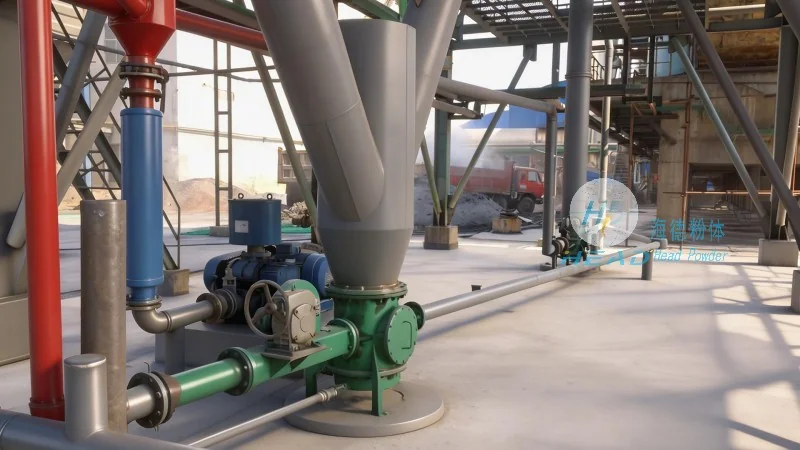
Sodium hexafluorophosphate (NaPF₆) is a white crystalline solid commonly used in pharmaceuticals, electronics, and specialty chemicals. Its physical properties, such as solubility and reactivity, influence how it is handled and transported. The compound is hygroscopic, meaning it absorbs moisture from the air, which can affect its stability and handling requirements. Additionally, it is highly soluble in water and certain organic solvents, making it important to consider the compatibility of storage and transport containers with these solvents. These characteristics necessitate specific design considerations to prevent degradation or accidents during material handling.
Design Principles for Material Handling Systems
The design of material handling systems for sodium hexafluorophosphate must prioritize safety, efficiency, and regulatory compliance. Several key principles guide the development of these systems, ensuring that the chemical is handled in a manner that minimizes risks to personnel and the environment. First, containment is paramount. All equipment used for storage, transfer, and processing must be designed to prevent leaks and spills. This includes using corrosion-resistant materials like stainless steel or specialized polymers that are compatible with the chemical's properties. Second, ventilation and environmental control are critical. Since sodium hexafluorophosphate can release fumes or dust when handled, proper ventilation systems and dust collection mechanisms are essential to maintain air quality and protect workers from inhalation hazards. Third, automation and control systems play a vital role in reducing human error and ensuring consistent handling processes. Automated dosing, mixing, and transfer equipment help maintain precise control over the chemical's movement, which is crucial for maintaining product quality and safety.
Equipment and Infrastructure Considerations
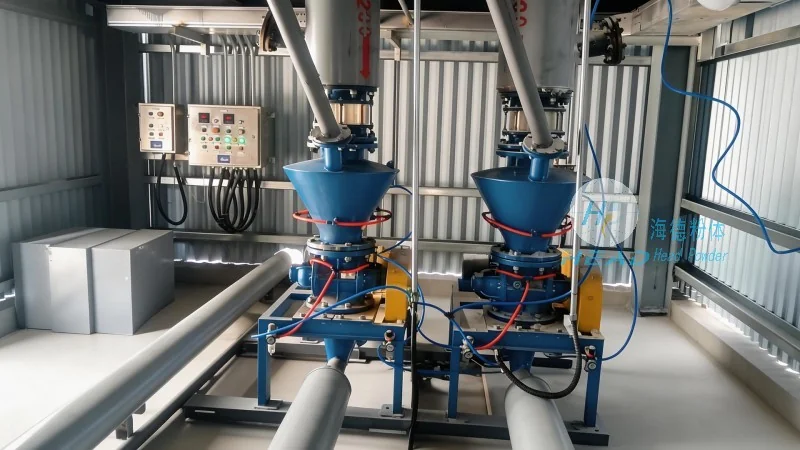
Implementing effective material handling for sodium hexafluorophosphate requires careful selection of equipment and infrastructure. Storage tanks and containers must be designed to withstand the chemical's corrosive nature and prevent contamination. For example, stainless steel tanks with double-walled construction are commonly used to contain any potential leaks and provide a secondary barrier. Piping systems must be made of materials that are resistant to the chemical's effects, such as PTFE-coated pipes or specialized alloys. These systems are often equipped with valves, pumps, and flow meters to control the movement of the substance, ensuring accurate dosing and preventing overfilling. Additionally, the layout of the handling area should be designed to facilitate easy access for maintenance and emergency response. Clear pathways, designated storage zones, and emergency spill kits are essential components of a well-designed material handling system.
Operational Procedures and Safety Protocols
Proper operational procedures and safety protocols are integral to the safe handling of sodium hexafluorophosphate. Workers involved in material handling must undergo comprehensive training on the chemical's properties, handling techniques, and emergency response procedures. This training ensures that personnel are aware of the risks associated with the substance and know how to respond effectively in case of an incident. Standard operating procedures (SOPs) should be established for all handling activities, including loading, unloading, and transfer operations. These procedures should outline the steps to be followed, the equipment to be used, and the safety measures to be implemented. Regular inspections and maintenance of equipment are also critical to ensure that systems remain in good working condition and do not pose a risk of failure. Additionally, monitoring systems, such as temperature and pressure sensors, can provide real-time data on the condition of the material handling system, allowing for immediate intervention if any abnormalities are detected.
Regulatory Compliance and Industry Standards
Handling sodium hexafluorophosphate must adhere to various regulatory standards and industry guidelines to ensure safety and environmental protection. Organizations must comply with local, national, and international regulations related to chemical handling, storage, and transportation. For example, in many regions, the handling of hazardous chemicals like sodium hexafluorophosphate is governed by laws that require proper labeling, storage, and emergency planning. Industry standards, such as those from the American Chemical Society (ACS) or the International Organization for Standardization (ISO), provide additional guidelines for safe handling practices. These standards often cover aspects like equipment design, worker protection, and environmental impact. Compliance with these regulations not only ensures the safety of workers and the public but also helps organizations avoid legal and financial penalties. Regular audits and assessments are recommended to verify that all material handling processes meet the required standards and that any necessary adjustments are made promptly.
Case Study: Application in Pharmaceutical Manufacturing
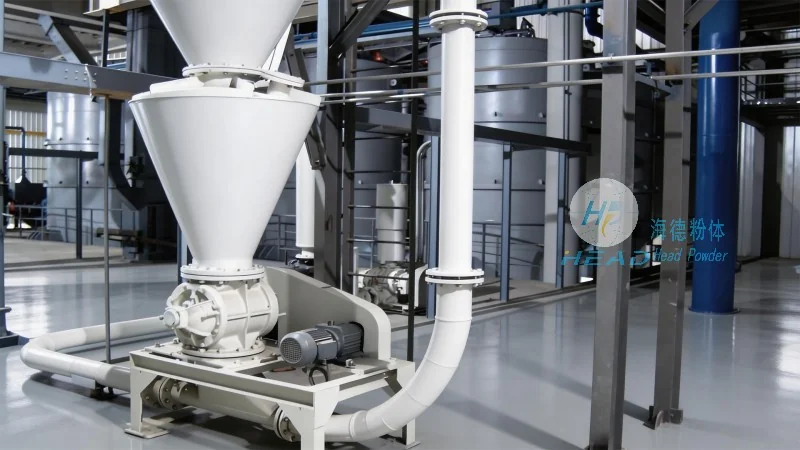
One of the primary applications of sodium hexafluorophosphate is in the pharmaceutical industry, where it is used as an intermediate in the synthesis of various drugs. In a pharmaceutical manufacturing facility, the material handling of this chemical must be highly controlled to maintain product purity and consistency. The design principles discussed earlier are particularly relevant in this context. For instance, the use of closed systems and automated transfer processes minimizes the risk of contamination and ensures that the chemical is handled in a sterile environment. The facility in question, operated by Shandong HeadPowder Engineering Co., Ltd., a leading provider of chemical handling solutions, has implemented advanced material handling systems that meet the stringent requirements of pharmaceutical manufacturing. These systems include stainless steel storage tanks, PTFE-lined piping, and automated dosing equipment, all designed to maintain the quality and safety of the final product. The company's expertise in material handling has enabled pharmaceutical manufacturers to streamline their processes while adhering to regulatory standards, resulting in improved efficiency and reduced risks.
Conclusion
Efficient and safe material handling of sodium hexafluorophosphate is a critical aspect of industrial operations, particularly in sectors like pharmaceuticals and electronics. By adhering to the design principles outlined in this article, organizations can ensure that the chemical is handled in a manner that minimizes risks and maximizes operational efficiency. The importance of proper equipment, infrastructure, operational procedures, and regulatory compliance cannot be overstated. As industries continue to rely on sodium hexafluorophosphate for their processes, the development of advanced material handling systems will remain a key focus. Companies like Shandong HeadPowder Engineering Co., Ltd. play a vital role in providing the expertise and solutions needed to implement effective material handling strategies, helping businesses maintain safety, productivity, and compliance in their operations.




