Urea, a critical fertilizer and industrial chemical, is often transported via pneumatic systems due to its bulk nature and the need for efficient, safe delivery. Two primary methods dominate this field: negative pressure (or suction) conveying and positive pressure (or pressure) conveying. Each method presents distinct advantages and disadvantages, influencing the choice of system for specific applications. This analysis explores these differences, highlighting the factors that affect the selection of negative versus positive pressure in urea pneumatic transport.
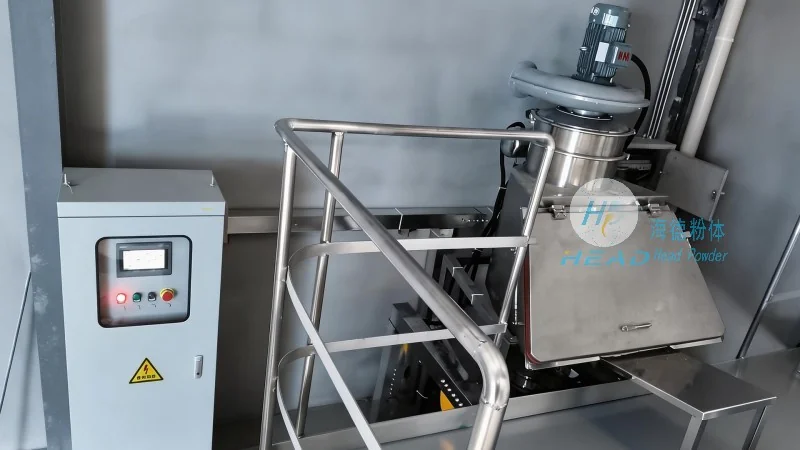
Negative Pressure (Suction) Conveying in Urea Transport
Negative pressure conveying, also known as suction conveying, operates by creating a vacuum at the material inlet to draw the urea into the system. This method is particularly effective for applications where the material source is elevated or where the need to minimize dust exposure is paramount. One of the key advantages of negative pressure systems is their ability to handle fine or dusty materials with minimal spillage, as the vacuum pulls the material into the pipeline without the need for high-velocity air jets that can cause particle breakage. Additionally, negative pressure systems are generally quieter and produce less noise compared to their positive pressure counterparts, making them suitable for environments where noise control is a concern. The system design typically involves a vacuum pump or fan at the discharge end, which pulls the urea through the pipeline and into a collection or processing unit. This approach is often favored in applications where the material is sourced from a silo or hopper that is higher than the processing facility, as the vacuum can effectively draw the material down without the need for additional lifting equipment.
However, negative pressure conveying also has notable drawbacks. The primary limitation is the maximum conveying distance and capacity. Due to the vacuum created, the system can only transport materials over relatively short distances (typically up to a few hundred meters) and at lower flow rates compared to positive pressure systems. This constraint makes negative pressure less suitable for long-distance or high-volume urea transport, where the need for efficient material movement is critical. Another disadvantage is the higher energy consumption associated with maintaining a consistent vacuum. The vacuum pump must work continuously to sustain the pressure differential, which can increase operational costs over time. Furthermore, negative pressure systems are more susceptible to blockages and clogs, as the vacuum can cause fine particles to adhere to the pipeline walls, potentially leading to system downtime and maintenance issues.
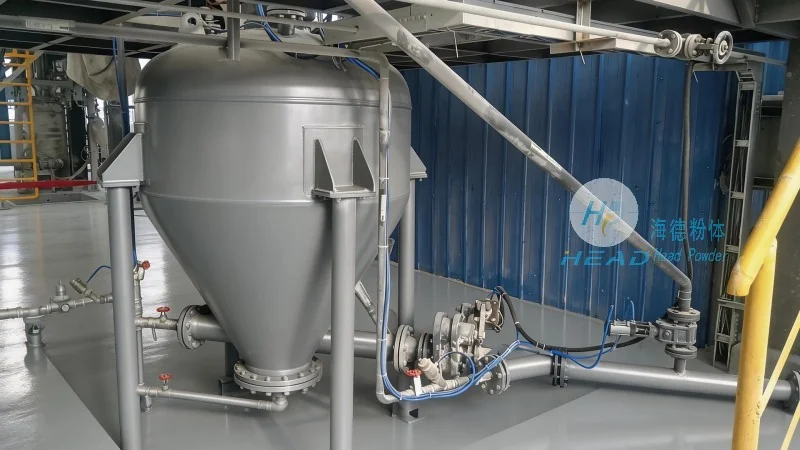
Positive Pressure (Pressure) Conveying in Urea Transport
Positive pressure conveying, or pressure conveying, operates by blowing air or a carrier gas through the pipeline at high velocity, pushing the urea material forward. This method is ideal for long-distance and high-volume transport, as it can effectively move materials over several kilometers with minimal pressure loss. One of the main advantages of positive pressure systems is their ability to handle larger conveying distances and higher material flow rates. The high-velocity air creates a strong flow that can overcome friction and elevation changes, making it suitable for applications where the material source is at a lower elevation than the processing facility or where long pipelines are required. Additionally, positive pressure systems are generally more energy-efficient for long-distance transport, as the pressure is maintained throughout the pipeline, reducing the need for constant vacuum maintenance. The system typically includes a blower or compressor at the inlet, which forces air through the pipeline and into the material, propelling it to the discharge point.
Nevertheless, positive pressure conveying has its own set of challenges. The primary disadvantage is the higher risk of dust and particle breakage. The high-velocity air jets can cause the urea particles to collide with each other and the pipeline walls, leading to increased dust generation and potential product degradation. This is particularly problematic for fine or friable urea, where the risk of dust exposure and material loss is higher. Another drawback is the higher noise levels associated with the blower or compressor, which can be a concern in industrial settings where noise regulations are in place. Furthermore, positive pressure systems require more robust pipeline and equipment, as the high pressure and velocity can cause wear and tear on components over time, leading to higher maintenance and replacement costs.
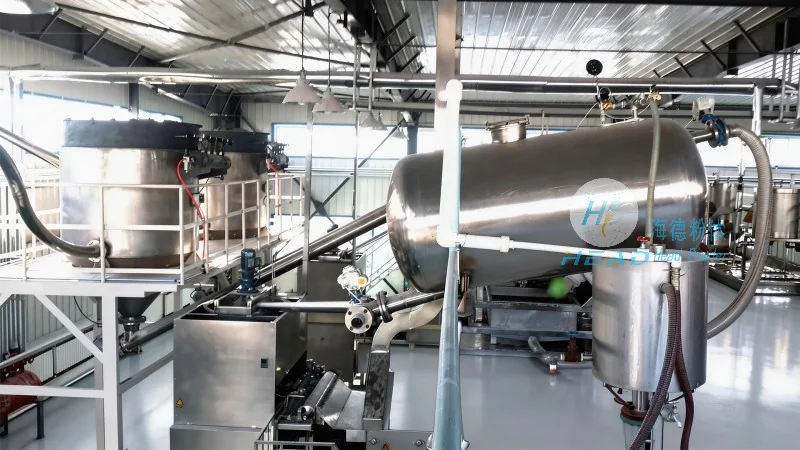
Key Factors Influencing the Choice Between Negative and Positive Pressure Conveying
The decision to use negative or positive pressure conveying in urea transport depends on several key factors, including the distance and volume of material to be transported, the elevation difference between the source and destination, the nature of the urea (e.g., fine, dusty, or friable), and the operational environment (e.g., noise restrictions, energy costs). For short-distance, low-volume applications where noise control and dust minimization are critical, negative pressure conveying may be the preferred choice. Conversely, for long-distance, high-volume applications where efficiency and capacity are paramount, positive pressure conveying is often more suitable. The material characteristics also play a significant role; for example, if the urea is fine and prone to dust, negative pressure may be preferred to reduce breakage, while for larger, less friable particles, positive pressure may be more effective.
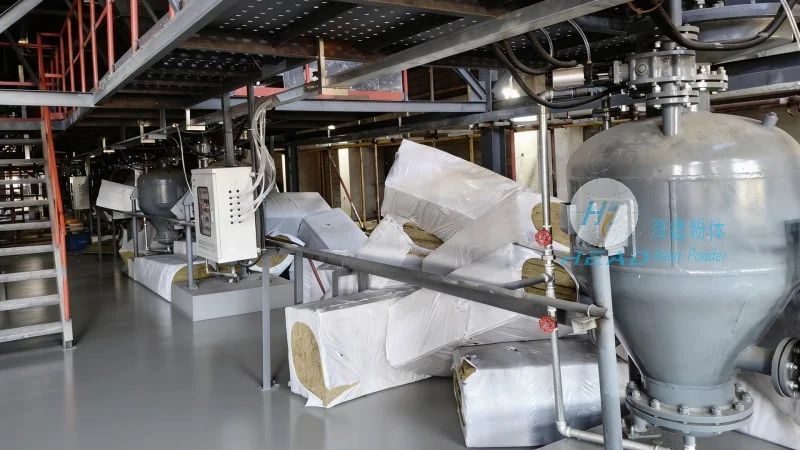
Additionally, the operational costs and maintenance requirements must be considered. Negative pressure systems may have lower initial equipment costs but higher long-term energy costs due to the vacuum pump, while positive pressure systems may have higher initial equipment costs but lower energy costs for long-distance transport. The choice also depends on the available infrastructure, such as the presence of existing pipelines or the need to install new ones. In some cases, a hybrid system combining both negative and positive pressure elements may be used to optimize performance, such as using negative pressure for the initial material draw and positive pressure for the final transport stage.
Conclusion: Balancing Advantages and Disadvantages for Optimal Urea Transport
Both negative pressure and positive pressure conveying methods have their place in urea pneumatic transport, with each offering unique advantages and disadvantages. The key to selecting the appropriate system lies in understanding the specific requirements of the application, including the distance, volume, material characteristics, and operational constraints. By carefully evaluating these factors, industry professionals can choose the most efficient and cost-effective conveying method to ensure reliable and safe urea transport. As the demand for urea continues to grow globally, the ability to select the right pneumatic conveying system will remain critical in optimizing production and delivery processes. Companies like Shandong HeadPowder Engineering Co., Ltd. specialize in designing and implementing these systems, leveraging their expertise to provide tailored solutions that meet the unique needs of their clients.




