Shandong HeadPowder Engineering Co., Ltd., commonly known as HeadPowder, is a professional manufacturer and supplier of pneumatic conveying systems. With a base in Shandong, China, the company specializes in the design, development, and implementation of advanced dry material handling solutions, including systems for dry sand and other fine powders. HeadPowder leverages years of industry experience to deliver customized solutions that meet the specific needs of various industrial applications.
Pneumatic Conveying Fundamentals
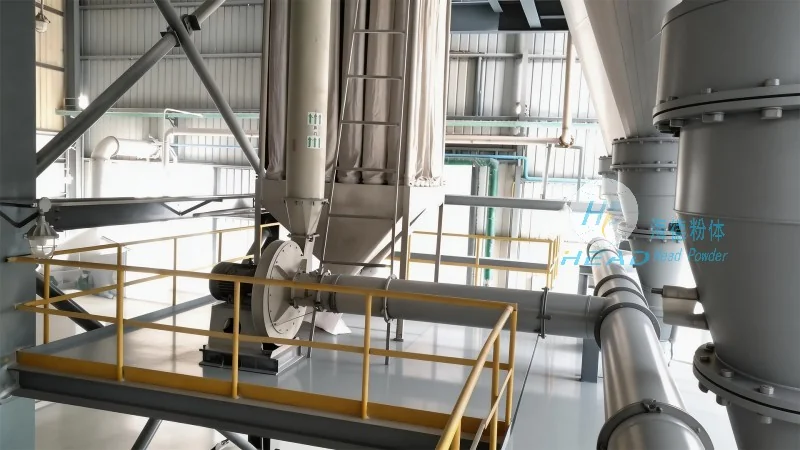
Pneumatic conveying is a method of transporting bulk materials through a pipeline using air or other gas as the conveying medium. This technology is widely used in industries such as mining, construction, food processing, and chemical manufacturing. The primary advantage of pneumatic conveying is its ability to transport materials without direct contact with the conveying equipment, reducing wear and tear and minimizing contamination risks. For dry sand applications, the choice between positive and negative pressure modes is critical, as each has distinct characteristics and suitability for different operational scenarios.
Positive Pressure Conveying Mode
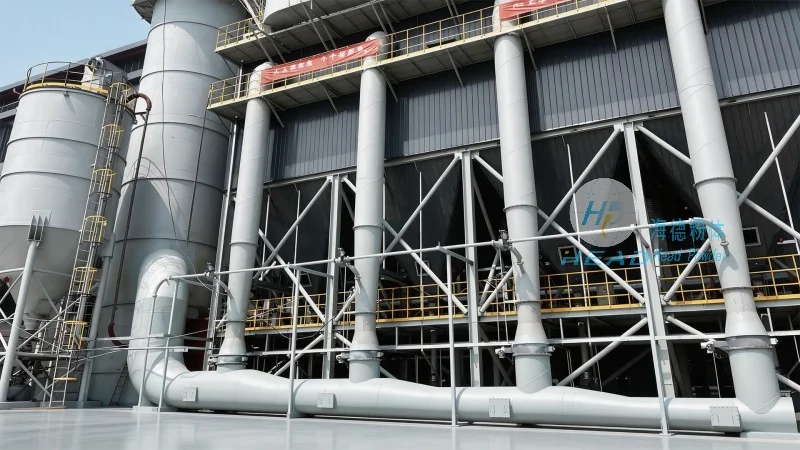
Positive pressure conveying, also known as pressure pneumatic conveying, operates by generating high-pressure air at the material inlet and pushing the material through the pipeline. This mode is particularly effective for conveying dry sand over long distances or through complex system layouts. The positive pressure system typically uses a blower or compressor to create the necessary pressure, ensuring consistent material flow and preventing backflow. A key advantage of this mode is its ability to handle abrasive materials like dry sand, as the high-pressure air maintains the material's velocity and prevents clogging. However, positive pressure systems require robust sealing and filtration to prevent dust leakage and maintain air quality. The system design often includes a hopper, a rotary valve, and a pressure vessel to control the material feed and pressure levels. HeadPowder's positive pressure systems are engineered to handle high volumes of dry sand, with customizable components that ensure efficient and reliable operation.
Negative Pressure Conveying Mode
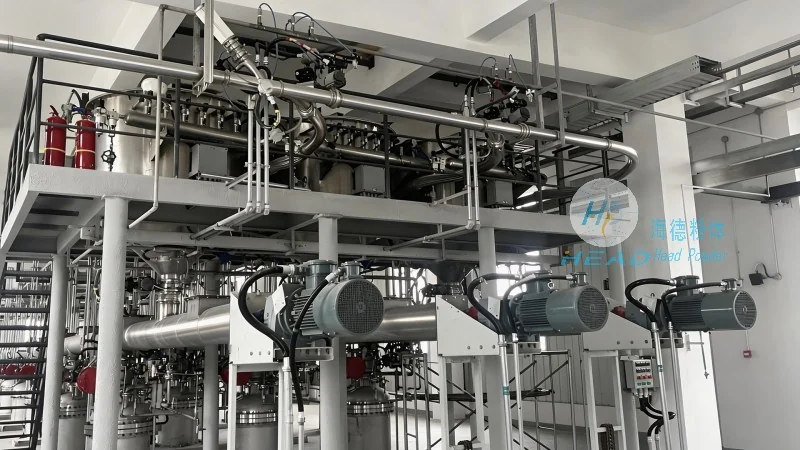
Negative pressure conveying, or vacuum pneumatic conveying, operates by creating a vacuum at the material outlet and drawing the material into the pipeline. This mode is commonly used for short-distance conveying or when the material needs to be transported from a higher elevation to a lower one. The negative pressure system utilizes a vacuum pump to create the necessary suction, ensuring that the material is drawn through the pipeline without the need for high-pressure air. A significant advantage of this mode is its lower energy consumption compared to positive pressure systems, making it more cost-effective for certain applications. However, negative pressure systems are more susceptible to clogging and require regular maintenance to prevent blockages. The system typically includes a hopper, a rotary valve, and a vacuum pump, with additional components like filters and cyclones to separate the material from the air. HeadPowder's negative pressure systems are designed to handle fine dry sand, with features that minimize dust generation and ensure consistent material flow.
Comparison of Positive and Negative Pressure Modes
When selecting between positive and negative pressure pneumatic conveying systems for dry sand applications, several factors must be considered. The primary difference lies in the operational pressure and the direction of material flow. Positive pressure systems push the material through the pipeline, while negative pressure systems pull the material. This fundamental difference impacts the system's energy consumption, material handling capacity, and suitability for specific environments. For example, positive pressure systems are better suited for long-distance conveying and handling abrasive materials, as the high-pressure air maintains the material's velocity and prevents clogging. In contrast, negative pressure systems are more energy-efficient and ideal for short-distance or vertical conveying, where the material needs to be transported from a higher to a lower level. Another critical factor is the system's sealing and filtration requirements. Positive pressure systems require tight seals to prevent air leakage and maintain pressure, while negative pressure systems need efficient filters to prevent dust from entering the vacuum pump. HeadPowder's engineers evaluate these factors to recommend the most appropriate mode for each client's specific needs, ensuring optimal performance and cost-effectiveness.
Conclusion and Recommendations
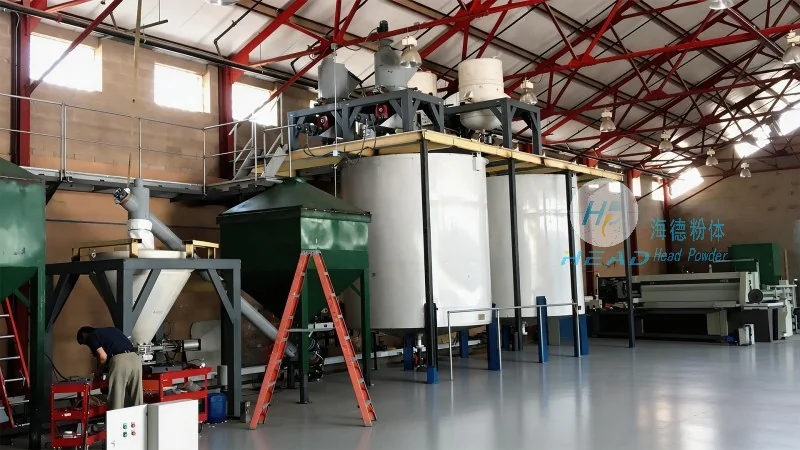
Both positive and negative pressure pneumatic conveying modes offer effective solutions for dry sand handling, with each having its own advantages and limitations. The choice between the two depends on the specific operational requirements, including distance, elevation changes, material characteristics, and energy efficiency goals. HeadPowder provides comprehensive technical support and customized system designs to help clients select the most suitable mode for their applications. By leveraging advanced engineering and industry expertise, HeadPowder ensures that its pneumatic conveying systems deliver reliable performance, high material throughput, and minimal maintenance. Whether a client requires a positive pressure system for long-distance abrasive material transport or a negative pressure system for energy-efficient short-distance conveying, HeadPowder's solutions are tailored to meet the unique demands of dry sand handling in various industrial sectors.




