Analysis of Small Bean Pneumatic Conveying Technology: Comparison of Positive and Negative Pressure
Release time:2026-09-14 10:44:33
name of the company:Shandong Headpowder Engineering Co., Ltd.
telephone:156-6277-7102
contacts:Zhang manager
Pneumatic conveying is a critical technology in material handling, especially for bulk materials like small beans. It involves transporting particles through a pipeline using air or gas as the medium. The two primary modes of operation are positive pressure and negative pressure systems, each with distinct characteristics and applications.
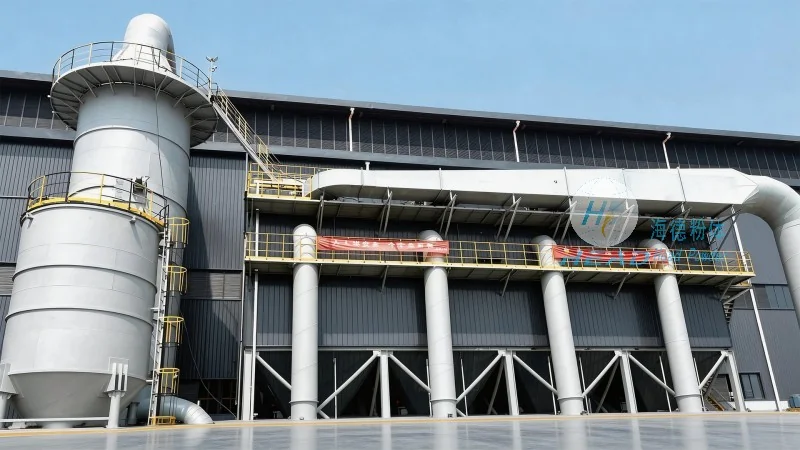
Positive Pressure Pneumatic Conveying
Positive pressure systems operate by blowing air or gas into the conveying line, creating a pressure higher than the ambient air. This method is effective for transporting materials over long distances and through complex piping networks. The headpowder company, based in Shandong, China, offers advanced positive pressure systems designed for efficient small bean handling. These systems typically use high-pressure blowers to generate the necessary force, ensuring reliable material transport even in challenging environments. The advantages of positive pressure include the ability to handle abrasive materials and the flexibility to operate in various industrial settings. However, they may require more maintenance due to the higher pressure components and can be less energy-efficient for short-distance transfers.
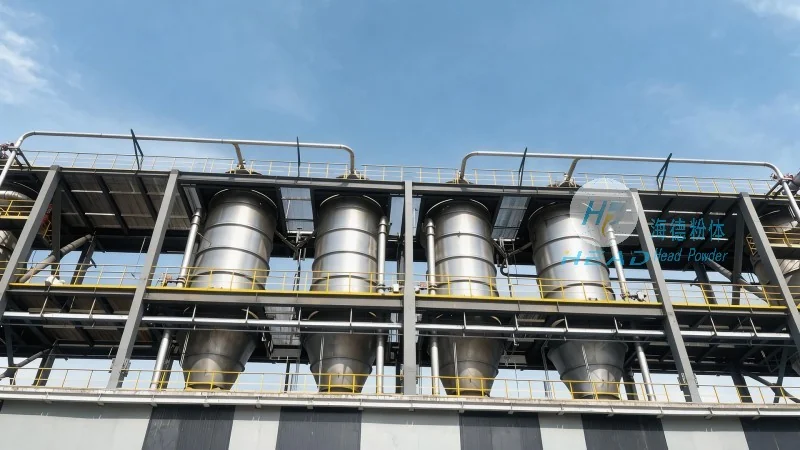
Negative Pressure Pneumatic Conveying
Negative pressure systems, also known as suction systems, work by creating a vacuum in the conveying line, drawing material from the source. This approach is ideal for applications where the material needs to be collected from multiple points or transported over shorter distances. The headpowder engineering team has developed sophisticated negative pressure solutions tailored for small bean processing. These systems utilize vacuum pumps to create the suction force, enabling gentle handling of delicate particles. The benefits of negative pressure include lower initial costs and reduced noise levels compared to positive pressure systems. Nevertheless, they are generally less suitable for long-distance or high-volume transport due to limitations in suction capacity and potential for material degradation under prolonged vacuum conditions.
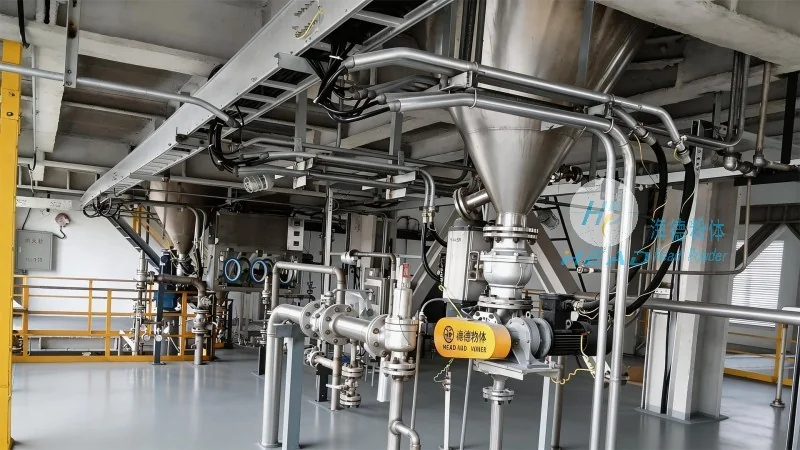
Comparison of Positive and Negative Pressure Modes
When selecting a pneumatic conveying system for small bean applications, it is essential to evaluate the specific requirements of the operation. Positive pressure systems excel in scenarios requiring high throughput and long-distance transport, making them suitable for large-scale processing facilities. In contrast, negative pressure systems are preferred for applications involving multiple collection points or the need for gentle material handling, such as in food processing or pharmaceutical industries. The headpowder company’s expertise lies in customizing both positive and negative pressure solutions to meet the unique needs of clients, ensuring optimal performance and efficiency. By understanding the operational parameters and material characteristics, businesses can choose the most appropriate mode to enhance their material handling processes.




