When it comes to transporting micron powders, selecting the right pneumatic conveying system is crucial for efficiency, cost-effectiveness, and operational safety. The choice between positive pressure and negative pressure systems is a common decision point for many industries dealing with fine powders. Understanding the fundamental differences and operational characteristics of each system is essential for making an informed choice. This article explores the key aspects of positive pressure versus negative pressure pneumatic conveying for micron powders, helping you determine which approach best suits your application.
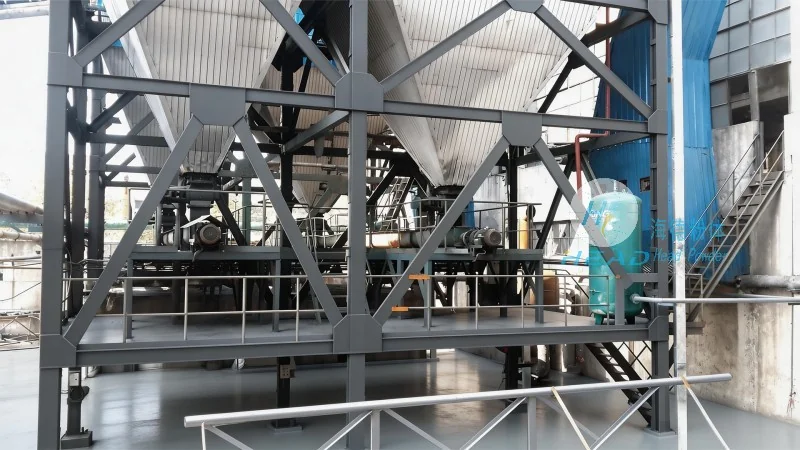
Understanding Pneumatic Conveying Basics
Pneumatic conveying is a method of transporting bulk materials, such as powders and granules, using a gas stream (typically air) to move the material through a pipeline. The two primary types of pneumatic conveying systems are positive pressure and negative pressure. Both systems rely on the same principle of using air to transport material, but they differ in how the air is introduced and managed within the system.
Positive Pressure Pneumatic Conveying Systems
Positive pressure systems operate by blowing air into the conveying line, creating a pressure higher than the ambient air pressure. This pressurized air propels the powder particles through the pipeline. The system typically includes a blower or compressor at the inlet, which supplies the necessary air pressure to move the material. Positive pressure systems are often preferred for applications requiring high material throughput, long-distance transport, or when handling abrasive or corrosive powders.
Key advantages of positive pressure systems include their ability to handle high volumes of material, maintain consistent flow rates, and provide better control over the conveying process. They are also suitable for applications where the material needs to be delivered to multiple destinations from a single source, as the system can be designed with multiple discharge points. However, positive pressure systems may require more robust equipment and higher energy consumption compared to negative pressure systems.
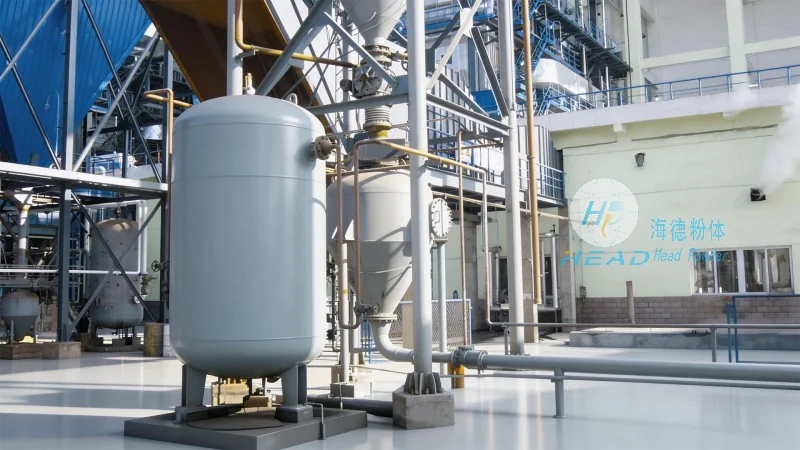
Negative Pressure Pneumatic Conveying Systems
Negative pressure systems, also known as vacuum or suction systems, operate by creating a vacuum in the conveying line, which draws the powder particles into the system. The system uses a vacuum pump or fan at the outlet to pull the material through the pipeline. Negative pressure systems are commonly used for short-distance transport, handling relatively low volumes of material, or when the material needs to be collected from multiple sources and delivered to a single point.
Advantages of negative pressure systems include lower initial equipment costs, reduced energy consumption, and the ability to handle materials that are sensitive to pressure changes or that may generate dust during transport. They are also suitable for applications where the material is to be collected from a hopper or silo and transported to a processing unit. However, negative pressure systems may have limitations in terms of material throughput and may not be suitable for long-distance or high-volume transport.
Distinguishing Between Positive and Negative Pressure Systems
Several factors can help in distinguishing between positive and negative pressure pneumatic conveying systems. The most significant factor is the direction of air flow and the pressure differential within the system. Positive pressure systems use compressed air to push material forward, while negative pressure systems use vacuum to pull material. Another key difference is the location of the air intake and exhaust. In positive pressure systems, the air is introduced at the inlet, and the exhaust is at the outlet. In negative pressure systems, the air is exhausted at the inlet, and the intake is at the outlet.
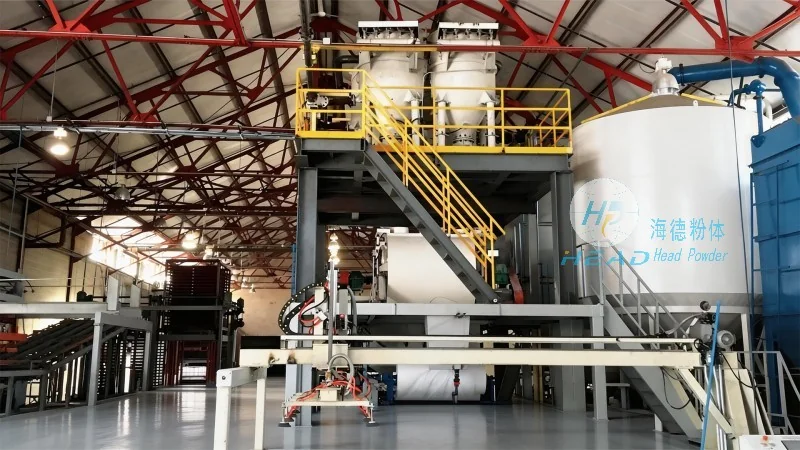
Material characteristics also play a role in the choice of system. For example, positive pressure systems are often preferred for abrasive or corrosive powders because they can handle higher pressures and temperatures. Negative pressure systems may be more suitable for fine, dusty powders that are sensitive to pressure changes. The distance and volume of material to be transported are also critical factors. Positive pressure systems are generally better for long-distance or high-volume transport, while negative pressure systems are more suitable for short-distance or low-volume applications.
Factors to Consider When Choosing a System
When deciding between positive and negative pressure pneumatic conveying systems for micron powders, several factors should be considered. The first is the material properties, including particle size, density, and flowability. These properties affect the system's ability to handle the material and the required air velocity. The second is the distance and volume of material to be transported. Long-distance or high-volume transport typically favors positive pressure systems, while short-distance or low-volume transport may be better suited to negative pressure systems.
The third factor is the operational environment and safety considerations. Positive pressure systems may require more stringent safety measures due to the higher pressure and potential for dust explosions. Negative pressure systems, while generally safer, may generate more noise and require proper ventilation to prevent dust accumulation. The fourth factor is the cost and energy efficiency. Positive pressure systems may have higher initial costs and energy consumption, while negative pressure systems may be more economical for smaller applications.




