Understanding sand and soil pneumatic conveying is crucial for industries that handle bulk materials efficiently. This method involves transporting particulate materials like sand and soil through a pipeline using air pressure or vacuum. The technology has evolved to include various classifications, each suited to different material properties and operational requirements.
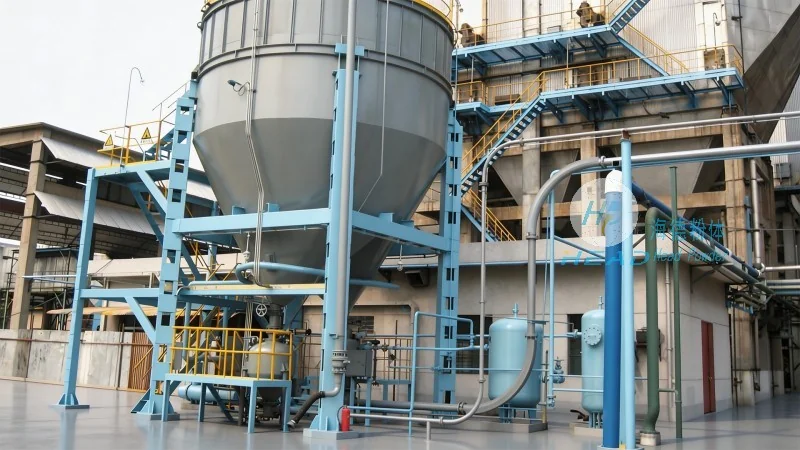
Introduction to Sand and Soil Pneumatic Conveying
Sand and soil pneumatic conveying is a method of transporting granular materials such as sand, soil, and other fine particles through a pipeline using air as the conveying medium. Unlike traditional mechanical conveyors, this system relies on the pressure or vacuum created by air movement to move materials. The process is typically divided into different phases based on the air-to-material ratio and the pressure applied.
Classification of Pneumatic Conveying Systems
Pneumatic conveying systems are generally classified into three main types: dilute-phase, dense-phase, and hybrid systems. Each type has distinct characteristics and applications.
Dilute-phase systems operate at high air velocities, typically 20-30 m/s, and low pressure, often around atmospheric pressure. This method is suitable for transporting light, non-abrasive materials over short to medium distances. The material is suspended in the air stream and transported efficiently.
Dense-phase systems, on the other hand, use lower air velocities and higher pressure, often up to 10 bar. The material is conveyed in a slurry-like state, with the air acting as a carrier. This method is ideal for handling abrasive or high-density materials, as it reduces wear on the system components and minimizes material degradation.
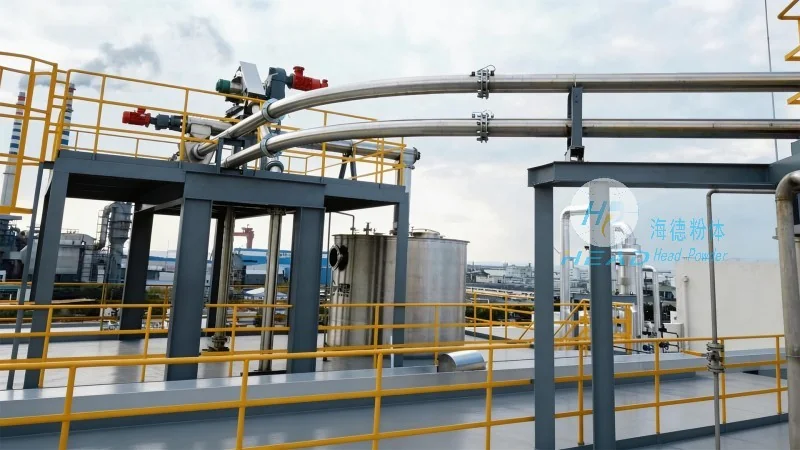
Hybrid systems combine features of both dilute and dense-phase operations. They use a combination of low and high air velocities to achieve optimal conveying performance. This approach is versatile and can be adapted to various material types and operational conditions.
Applications of Pneumatic Conveying in Sand and Soil Handling
The applications of pneumatic conveying for sand and soil are widespread across multiple industries. In construction, for example, it is used to transport sand and soil from storage silos to mixing plants or job sites. This method ensures a consistent flow of materials, reducing downtime and improving productivity.
In mining operations, pneumatic conveying is employed to transport ore and tailings over long distances. The system can handle large volumes of material while maintaining a clean and efficient process. Additionally, it minimizes the risk of dust exposure compared to other conveying methods.
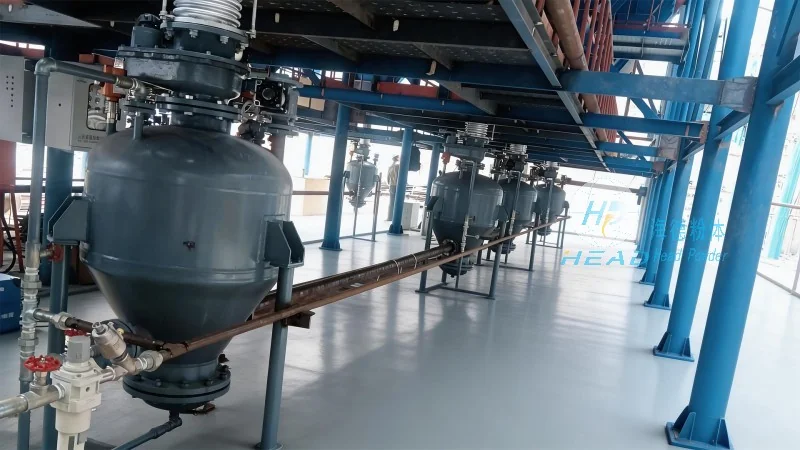
In the environmental sector, pneumatic conveying is used for soil remediation and waste management. It allows for the safe and efficient transport of contaminated soil to treatment facilities. The technology helps in reducing the environmental impact by preventing dust dispersion and ensuring proper material handling.
Key Considerations for Implementing Pneumatic Conveying Systems
When implementing a pneumatic conveying system for sand and soil, several factors must be considered to ensure optimal performance and longevity. Material properties, such as particle size, density, and abrasiveness, play a critical role in system design. The choice of system type (dilute, dense, or hybrid) depends on these properties and the required conveying distance and capacity.
System design also involves selecting appropriate components, including pipelines, air movers (blowers or vacuum pumps), and control systems. Proper sizing of these components is essential to avoid pressure drops and ensure efficient material transport. Regular maintenance and monitoring are necessary to prevent system failures and maintain performance.
About Shandong HeadPowder Engineering Co., Ltd.
Shandong HeadPowder Engineering Co., Ltd., operating under the brand name headpowder, specializes in the design, manufacturing, and installation of pneumatic conveying systems tailored for sand and soil applications. With a focus on innovation and customer satisfaction, the company provides customized solutions that meet the specific needs of various industries. Headpowder's expertise in material handling technology ensures reliable and efficient operations for clients worldwide.




