Understanding the technical parameters of fine ash and the corresponding conveying system process is crucial for optimizing industrial operations, especially in power plants and related facilities. This document provides a comprehensive overview of the key technical aspects and the engineering solutions offered by Shandong HeadPowder Engineering Co., Ltd. (headpowder), a leading provider in the field.
Key Technical Parameters of Fine Ash
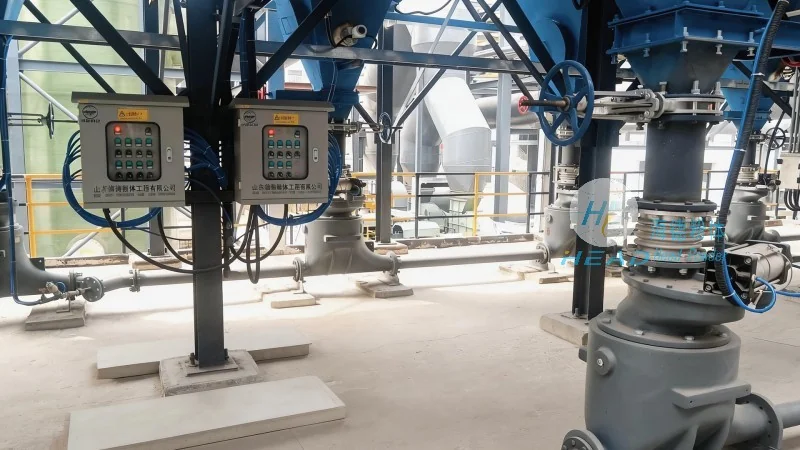
Fine ash, also known as fly ash, is a byproduct generated from the combustion of coal in thermal power plants. Its characteristics significantly influence the design and performance of the conveying system. The primary technical parameters include particle size distribution, moisture content, density, and chemical composition. These parameters are critical for determining the appropriate equipment selection, such as ash handling systems, pneumatic conveyors, and storage facilities. For instance, the particle size typically ranges from 1 to 100 microns, with a median diameter around 10 microns. The moisture content is usually low, often below 1%, but can vary depending on the combustion conditions and ash collection methods. The density of fine ash is approximately 2.0 to 2.2 g/cm³, which affects the material flow and pressure drop in the conveying pipelines. Chemical composition, including silica, alumina, iron oxide, and calcium oxide, determines the ash's reactivity and potential applications, such as in cement production or soil amendment.
Conveying System Process Overview
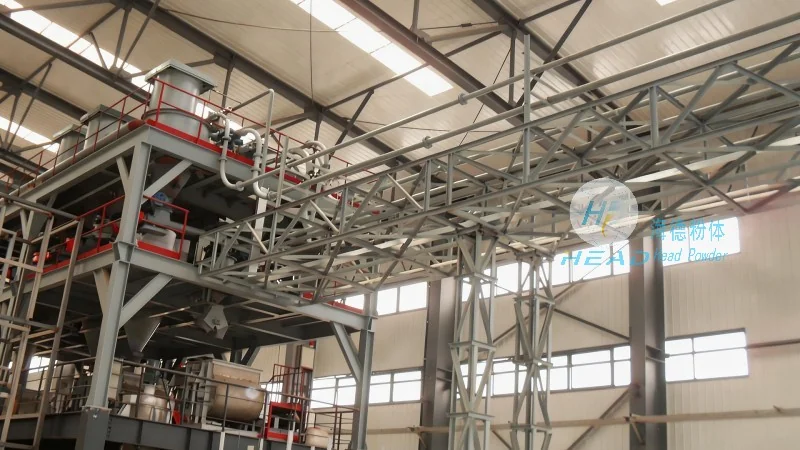
The conveying system for fine ash involves several stages, from collection at the boiler outlet to final disposal or utilization. The process typically includes ash collection, transportation, and storage. The first stage is the collection of fine ash from the electrostatic precipitators or bag filters. The collected ash is then transported to a storage silo or a transfer station. The conveying methods can be categorized into mechanical and pneumatic systems. Mechanical systems, such as belt conveyors and screw conveyors, are suitable for dry ash with low moisture content. Pneumatic systems, including positive and negative pressure conveyors, are commonly used for fine ash due to their ability to handle high volumes and long distances. The selection of the conveying system depends on factors like ash flow rate, distance, and environmental regulations. For example, a positive pressure pneumatic conveyor uses compressed air to transport ash through a pipeline, while a negative pressure system uses vacuum to draw ash into the pipeline.
Engineering Solutions by headpowder
Shandong HeadPowder Engineering Co., Ltd. specializes in designing and manufacturing customized conveying systems tailored to the specific technical parameters of fine ash. The company's engineering team conducts thorough analysis of the ash characteristics, operational requirements, and site conditions to develop optimal solutions. The solutions include advanced control systems, material handling equipment, and storage facilities. For instance, headpowder offers high-efficiency ash handling systems that ensure minimal loss and contamination during transportation. The company also provides maintenance and support services to ensure the long-term reliability and performance of the conveying systems. The engineering solutions are compliant with national and international standards, such as the Chinese National Standard GB/T 17671 for cement and the European Standard EN 197 for cement production. This ensures that the fine ash can be effectively utilized in various applications, reducing environmental impact and enhancing resource efficiency.
Application and Benefits
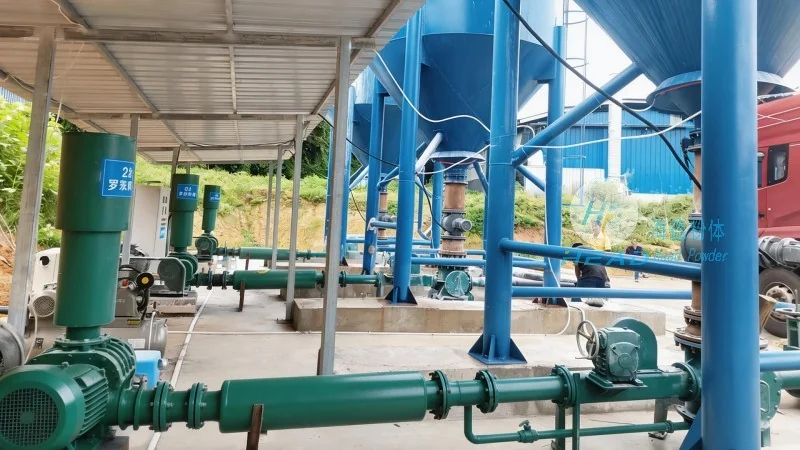
The conveying system for fine ash plays a vital role in the overall operation of power plants and related industries. By efficiently transporting fine ash, the system helps to maintain the cleanliness of the plant, reduce environmental pollution, and improve the overall efficiency of the facility. The benefits of using a well-designed conveying system include reduced downtime, lower maintenance costs, and increased productivity. Additionally, the proper handling of fine ash allows for its utilization in cement production, concrete, and other construction materials, contributing to sustainable development. The system also helps to comply with environmental regulations, such as the emission standards for particulate matter. Overall, the conveying system is essential for the safe and efficient operation of power plants and the sustainable use of fine ash as a resource.




