For industries dealing with glass fiber, the challenge of maintaining high transport efficiency while ensuring a clean and safe working environment is paramount. Traditional methods often fall short in meeting these dual requirements, leading to issues such as material degradation, equipment wear, and increased operational costs. This is where pneumatic conveying technology emerges as a superior solution, offering a clean, efficient, and reliable method for transporting glass fibers. In this article, we delve into the principles, benefits, and practical applications of pneumatic conveying, with a focus on how Shandong HeadPowder Engineering Co., Ltd. leverages this technology to enhance glass fiber transport processes.
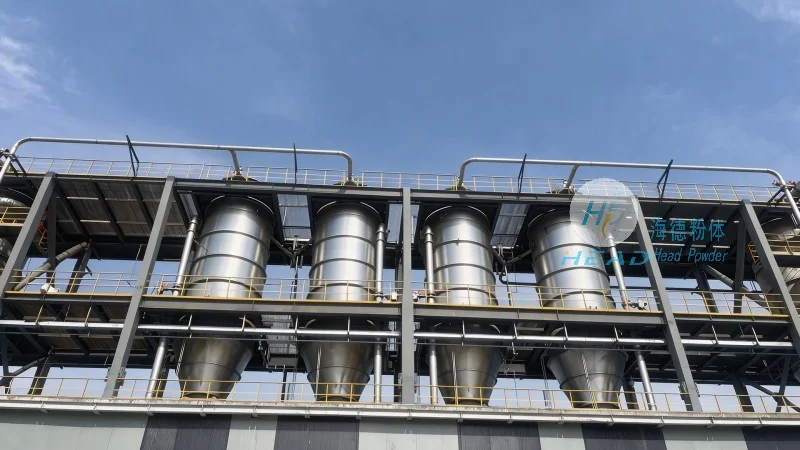
Pneumatic Conveying: The Core Technology for Glass Fiber Transport
Pneumatic conveying, also known as air conveying, utilizes a stream of air to move bulk materials through a pipeline system. In the context of glass fiber, this technology involves transporting the fibers in a closed system, minimizing exposure to external contaminants and reducing the risk of dust dispersion. The process typically involves a combination of positive and negative pressure systems, depending on the specific application and material characteristics. Positive pressure systems use compressed air to push the material forward, while negative pressure systems create a vacuum to draw the material into the pipeline. Both methods are effective for glass fiber, with the choice depending on factors like material flowability, pipeline length, and system complexity.
Key Advantages of Pneumatic Conveying for Glass Fiber
One of the most significant advantages of pneumatic conveying for glass fiber transport is its ability to maintain a clean and dust-free environment. Unlike mechanical systems that may generate dust and cause contamination, pneumatic conveying operates in a sealed system, preventing particles from escaping into the workplace. This not only improves air quality but also reduces the risk of respiratory issues among workers, aligning with occupational health and safety standards. Additionally, the technology offers high transport efficiency, allowing for the movement of glass fibers over long distances with minimal loss or degradation. The consistent flow and controlled velocity of the material ensure that the fibers remain intact, preserving their quality and performance characteristics. Furthermore, pneumatic conveying systems are highly flexible, capable of adapting to varying production volumes and process changes without significant modifications. This adaptability makes them suitable for both small-scale and large-scale glass fiber operations, providing a scalable solution for different industrial needs.
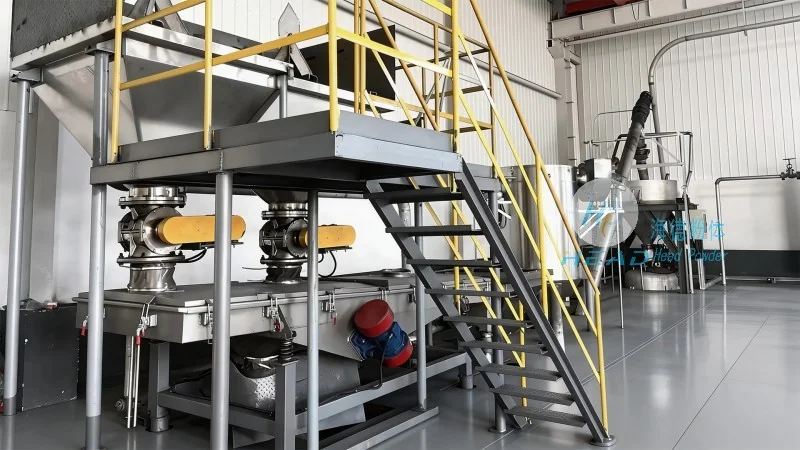
Shandong HeadPowder Engineering Co., Ltd.: Expert in Pneumatic Conveying Solutions
Shandong HeadPowder Engineering Co., Ltd., a leading provider of engineering solutions, specializes in designing and implementing advanced pneumatic conveying systems tailored to the unique needs of glass fiber manufacturers. With years of experience in the industry, the company has developed a deep understanding of the challenges faced by glass fiber producers and has leveraged this expertise to create customized solutions that enhance operational efficiency and product quality. The company’s approach involves a comprehensive analysis of the client's production processes, material characteristics, and operational requirements to design a system that optimizes transport efficiency while minimizing energy consumption and maintenance costs. HeadPowder's team of engineers and technicians work closely with clients to ensure that the selected pneumatic conveying system meets all regulatory and safety standards, providing a reliable and sustainable solution for glass fiber transport.
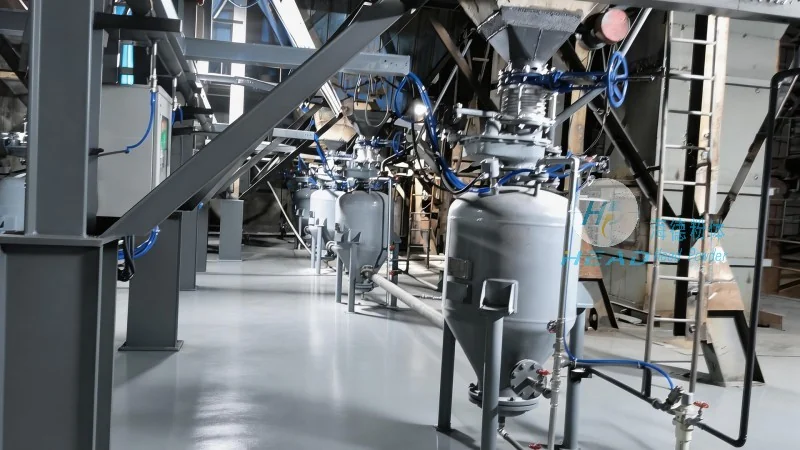
Customized Pneumatic Conveying Systems for Glass Fiber Applications
HeadPowder offers a range of customized pneumatic conveying systems designed specifically for glass fiber applications. These systems are engineered to handle the unique properties of glass fibers, such as their high abrasiveness and tendency to generate static electricity. The company uses high-quality materials, including corrosion-resistant metals and specialized coatings, to ensure the longevity and durability of the conveying equipment. The systems are also equipped with advanced control mechanisms that allow for precise regulation of air pressure, flow rate, and material velocity, ensuring optimal performance under varying conditions. Additionally, HeadPowder provides comprehensive support services, including installation, commissioning, and ongoing maintenance, to ensure that the pneumatic conveying system operates at peak efficiency throughout its lifespan. This comprehensive approach ensures that clients receive not just a product, but a complete solution that addresses all aspects of glass fiber transport, from initial material handling to final delivery.
Conclusion: Enhancing Glass Fiber Transport with Pneumatic Conveying
In conclusion, pneumatic conveying technology represents a significant advancement in the efficient and clean transport of glass fibers. By leveraging this technology, glass fiber manufacturers can improve operational efficiency, maintain product quality, and ensure a safe working environment. Shandong HeadPowder Engineering Co., Ltd. plays a crucial role in this transformation, providing expert design, implementation, and support for pneumatic conveying systems that meet the specific needs of the industry. As the demand for high-quality glass fibers continues to grow, the adoption of advanced pneumatic conveying technology will become increasingly important for manufacturers seeking to stay competitive and sustainable. With its commitment to innovation and customer satisfaction, HeadPowder remains at the forefront of providing solutions that enhance the performance and reliability of glass fiber transport processes.




