When it comes to the pneumatic conveying of sodium nitrate, choosing the right method is crucial for ensuring efficiency, safety, and cost-effectiveness in industrial operations. Two primary approaches dominate the industry: negative pressure (or suction) conveying and positive pressure (or pressure) conveying. Each method has its own set of advantages and disadvantages, which can significantly impact the overall performance of the conveying system. This article provides a detailed comparison of negative pressure and positive pressure pneumatic conveying for sodium nitrate, helping industrial operators make informed decisions based on their specific needs.
Introduction to Pneumatic Conveying for Sodium Nitrate
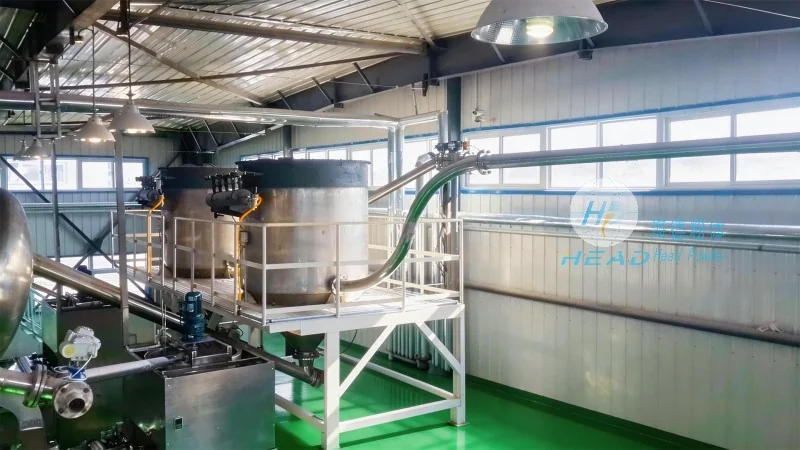
Pneumatic conveying is a widely used technique for transporting bulk materials like sodium nitrate, which is commonly utilized in fertilizers, explosives, and other industrial applications. The method involves transporting the material through a pipeline using air or gas as the conveying medium. The choice between negative pressure and positive pressure systems depends on factors such as material properties, distance, system complexity, and operational requirements. Understanding the nuances of each approach is essential for optimizing the conveying process and minimizing operational costs.
Company Overview: Shandong HeadPowder Engineering Co., Ltd.
As a leading provider of engineering solutions for bulk material handling, Shandong HeadPowder Engineering Co., Ltd. specializes in designing and implementing efficient pneumatic conveying systems. With a strong presence in China, particularly in Shandong, the company leverages advanced technology and expertise to deliver tailored solutions for clients in various industries. The company's commitment to quality and innovation ensures that its systems meet the highest standards of performance and reliability. By partnering with HeadPowder, industrial facilities can enhance their material handling capabilities and improve overall operational efficiency.
Negative Pressure (Suction) Pneumatic Conveying for Sodium Nitrate
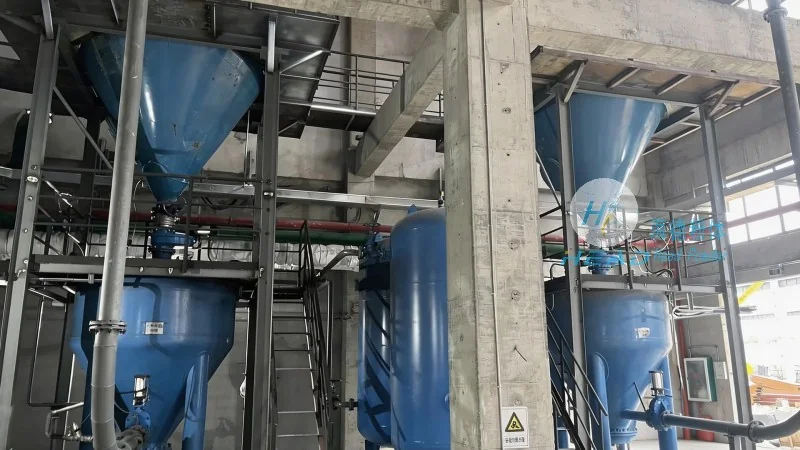
Negative pressure conveying, also known as suction conveying, operates by creating a vacuum in the conveying line to draw the material from the source to the destination. This method is particularly suitable for applications where the material needs to be transported over short to medium distances, and where the system requires minimal pressure differentials. One of the key advantages of negative pressure conveying is its ability to handle materials that are prone to dust generation or are sensitive to high pressure. The system is also relatively simple in design, with fewer components compared to positive pressure systems, which can reduce maintenance costs and complexity. However, negative pressure conveying has several limitations. The primary drawback is its lower conveying capacity compared to positive pressure systems, as the vacuum pressure is limited by the air source and the system's design. Additionally, the system may not be suitable for long-distance or high-volume applications, as the pressure drop can become significant over longer distances. Another concern is the potential for air leakage, which can reduce the efficiency of the conveying process and increase energy consumption. Furthermore, negative pressure systems may require additional filtration and dust control measures to prevent material loss and environmental contamination.
Positive Pressure (Pressure) Pneumatic Conveying for Sodium Nitrate
Positive pressure conveying, or pressure conveying, operates by blowing air or gas into the conveying line to push the material from the source to the destination. This method is ideal for applications that require high conveying capacities, long distances, or the transport of materials that are abrasive or have high moisture content. The primary advantage of positive pressure conveying is its ability to handle large volumes of material efficiently, making it suitable for high-throughput operations. The system can also be designed to operate at higher pressures, which allows for longer conveying distances without significant pressure loss. Another benefit is the reduced risk of material degradation, as the material is not subjected to the same level of vacuum stress as in negative pressure systems. However, positive pressure conveying has its own set of challenges. The most significant drawback is the higher energy consumption compared to negative pressure systems, as the system requires a powerful air compressor to generate the necessary pressure. This can increase operational costs, especially for large-scale applications. Additionally, the system may require more complex components, such as high-pressure valves and seals, which can increase maintenance and replacement costs. Another concern is the potential for material buildup in the pipeline, which can lead to blockages and system downtime. Furthermore, positive pressure systems may generate more noise and require additional safety measures to prevent accidental releases of the conveying medium.
Comparative Analysis: Negative vs. Positive Pressure Conveying
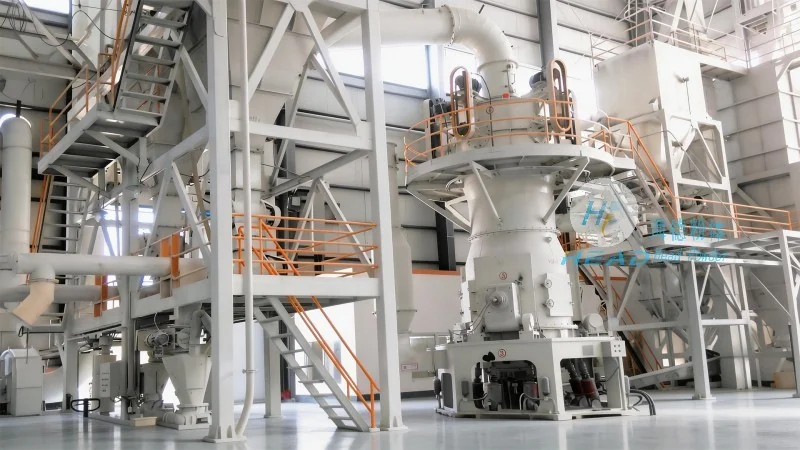
When comparing negative and positive pressure pneumatic conveying for sodium nitrate, several factors must be considered to determine the most suitable method. The choice depends on the specific application requirements, including the distance between the source and destination, the volume of material to be conveyed, and the material's properties. For short-distance applications with low to moderate material volumes, negative pressure conveying may be more cost-effective due to its simpler design and lower energy consumption. However, for long-distance or high-volume applications, positive pressure conveying is often preferred due to its higher capacity and ability to handle longer distances without significant pressure loss. The material's properties also play a crucial role in the decision-making process. For example, if the material is prone to dust generation or is sensitive to pressure, negative pressure conveying may be more suitable. Conversely, if the material is abrasive or has high moisture content, positive pressure conveying may be the better choice. Additionally, the system's complexity and maintenance requirements should be considered. Negative pressure systems are generally simpler and require less maintenance, while positive pressure systems may require more frequent inspections and repairs. The cost of implementation and operation is another critical factor. Negative pressure systems typically have lower initial costs and lower operational costs, while positive pressure systems may have higher initial costs but lower long-term costs due to higher efficiency. Ultimately, the decision between negative and positive pressure conveying should be based on a thorough analysis of the specific application's needs and constraints.
Conclusion and Recommendations
In conclusion, both negative pressure and positive pressure pneumatic conveying methods have their own advantages and disadvantages when used for the transport of sodium nitrate. The choice between the two depends on various factors, including the distance, volume, material properties, and operational requirements. Negative pressure conveying is suitable for short to medium distances and low to moderate material volumes, offering simplicity and lower energy consumption. Positive pressure conveying is ideal for long distances and high volumes, providing higher capacity and better material handling capabilities. Industrial operators should conduct a comprehensive evaluation of their specific needs to determine the most appropriate method. By partnering with experienced engineering companies like Shandong HeadPowder Engineering Co., Ltd., facilities can ensure that their pneumatic conveying systems are optimized for performance, efficiency, and cost-effectiveness. The company's expertise in designing and implementing tailored solutions ensures that clients can achieve their material handling goals while minimizing operational challenges. Whether choosing negative or positive pressure conveying, the key is to select the method that best aligns with the application's requirements and maximizes overall operational efficiency.




