Biological enzyme pneumatic conveying technology represents a sophisticated approach to handling and transporting enzyme-based materials, offering significant advantages in efficiency, safety, and process control. This technology is particularly critical in industries such as biopharmaceuticals, food processing, and chemical manufacturing, where the integrity of enzyme products must be preserved during transportation. The two primary modes of pneumatic conveying—vacuum and positive pressure—each offer distinct benefits and applications, making them essential components of modern material handling systems.
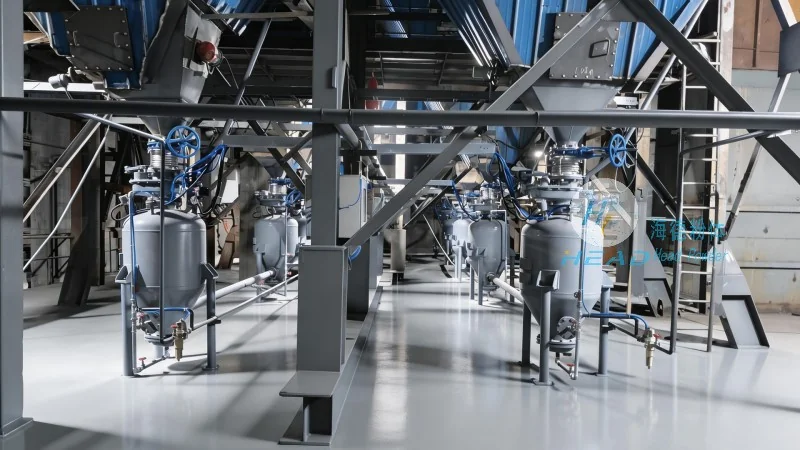
Understanding Vacuum Pneumatic Conveying for Biological Enzymes
Vacuum pneumatic conveying systems utilize a negative pressure environment to draw material from a source into a conveying line. This method is highly effective for transporting materials from multiple points or over relatively short distances, often with minimal dust generation. For biological enzymes, which are sensitive to environmental conditions, vacuum conveying can provide a gentle and controlled transport process. The system typically includes a vacuum pump, a material feed hopper, and a conveying pipe, with the entire setup designed to maintain low temperatures and prevent contamination. This approach is ideal for applications where the material is to be transferred from a silo or storage tank to a processing unit, ensuring that the enzyme's activity and stability are maintained throughout the process.
Positive Pressure Pneumatic Conveying Systems for Enzyme Transport
Positive pressure pneumatic conveying, on the other hand, operates by forcing air or a carrier gas through a pressurized system to move material. This method is suitable for longer distances and can handle more abrasive or heavier materials, though it may generate more dust compared to vacuum systems. For biological enzymes, positive pressure conveying can be optimized to minimize particle impact and maintain product integrity. The system often includes a blower, a material feeder, and a pipeline network, with controls to regulate pressure and flow. This mode is particularly useful in scenarios where the material needs to be transported from a central processing area to multiple destinations or over extended distances, such as in large-scale production facilities.
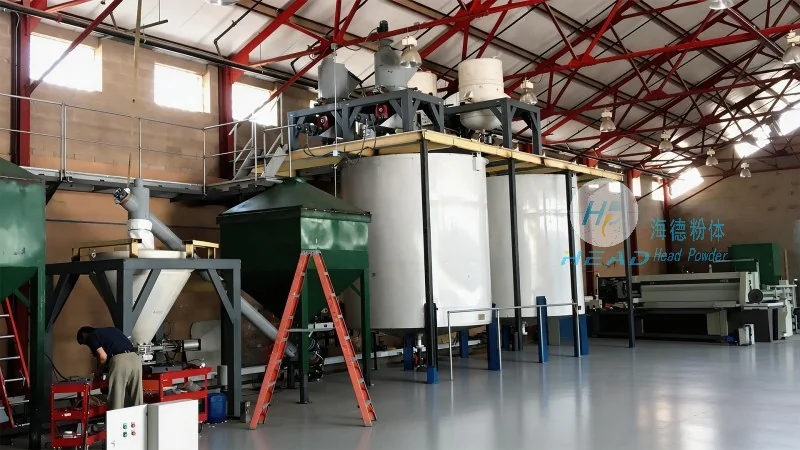
Key Advantages of Pneumatic Conveying in Enzyme Handling
Both vacuum and positive pressure pneumatic conveying offer several advantages when handling biological enzymes. These include reduced product degradation due to minimal exposure to air and moisture, improved safety by eliminating manual handling of potentially hazardous materials, and enhanced process efficiency through automated material transfer. Additionally, pneumatic systems can be integrated with other processing equipment, such as reactors or mixers, to create a seamless production line. The ability to control flow rates and pressure ensures that the enzyme's activity is not compromised, making these systems indispensable in industries where product quality and consistency are paramount.
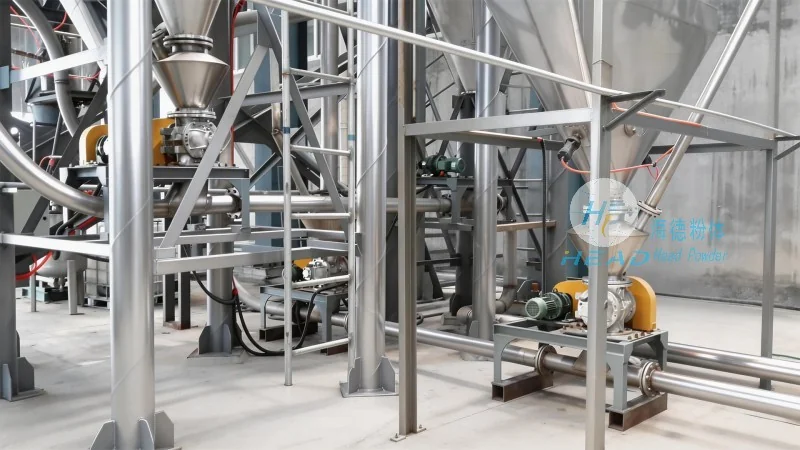
Application Examples in Biopharmaceutical and Food Industries
The application of pneumatic conveying technology in the biopharmaceutical and food industries is widespread. For instance, in the production of industrial enzymes, such as amylases or proteases, vacuum conveying can be used to transfer raw enzyme powders from storage to mixing tanks, while positive pressure systems may be employed to distribute the final product to packaging lines. In food processing, where enzymes are used for processes like cheese ripening or fruit juice clarification, pneumatic conveying ensures that the enzyme product is delivered to the processing line without contamination or loss of activity. These applications highlight the versatility and effectiveness of pneumatic conveying in maintaining the quality of sensitive materials throughout the production cycle.
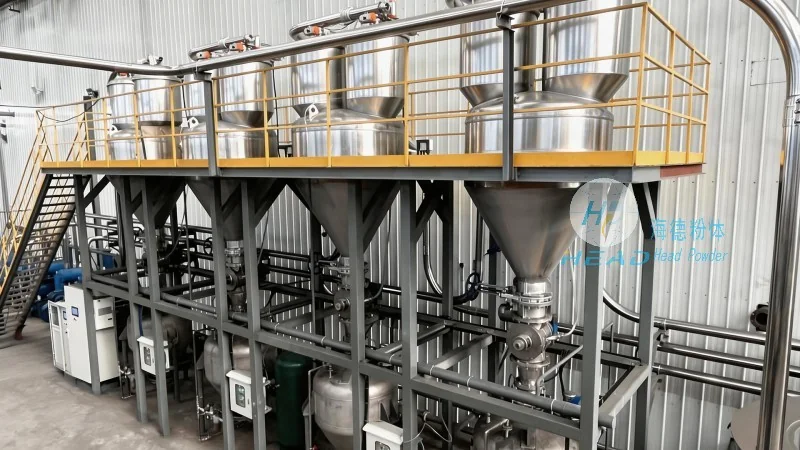
Customization and Integration with HeadPowder Engineering Solutions
Shandong HeadPowder Engineering Co., Ltd., a leading provider of pneumatic conveying systems, specializes in designing and manufacturing customized solutions tailored to the specific needs of biological enzyme handling. The company's expertise lies in integrating advanced control systems, material handling equipment, and environmental controls to ensure optimal performance. With a focus on durability, efficiency, and compliance with industry standards, HeadPowder offers a range of vacuum and positive pressure conveying systems that can be adapted to various production scales and material characteristics. The company's engineering team works closely with clients to assess their specific requirements, from material properties to operational constraints, to develop a tailored solution that maximizes productivity while preserving product quality.
Conclusion: The Role of Pneumatic Conveying in Modern Enzyme Processing
In conclusion, the integration of vacuum and positive pressure pneumatic conveying technologies in biological enzyme handling has revolutionized material transport in the biopharmaceutical and food industries. By leveraging the unique advantages of each system, manufacturers can achieve efficient, safe, and reliable transfer of sensitive enzyme products. As the demand for high-quality enzymes continues to grow, the role of advanced pneumatic conveying systems will remain critical in ensuring that these valuable materials are handled with the precision and care they require. With its commitment to innovation and customer-centric solutions, Shandong HeadPowder Engineering Co., Ltd. stands as a key partner in advancing the capabilities of enzyme processing through reliable and efficient material handling technologies.




