Glass slag, a byproduct of glass manufacturing processes, requires efficient and reliable transportation methods to ensure proper handling and disposal. Pneumatic conveying systems offer a versatile solution for moving glass slag from production sites to processing or disposal facilities. Two primary modes of operation dominate this field: positive pressure and negative pressure systems. Understanding the technical nuances of each mode is crucial for selecting the most suitable system for specific applications.
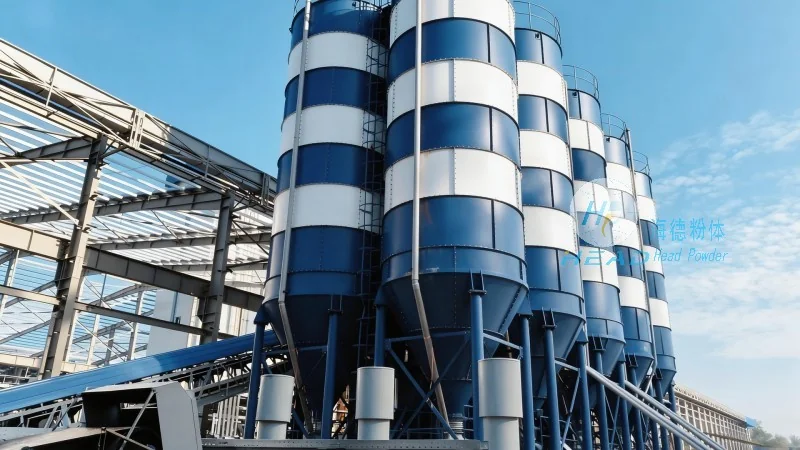
HeadPowder Engineering: Expertise in Pneumatic Conveying Solutions
Shandong HeadPowder Engineering Co., Ltd., a leading provider of industrial conveying equipment, specializes in designing and manufacturing advanced pneumatic conveying systems tailored to the unique needs of glass slag handling. With a focus on innovation and durability, HeadPowder delivers solutions that enhance operational efficiency while ensuring compliance with industry standards. The company’s expertise spans the entire lifecycle of pneumatic conveying systems, from initial design and installation to ongoing maintenance and support.
Positive Pressure Conveying Mode: Advantages and Technical Aspects
Positive pressure pneumatic conveying systems operate by forcing air or a carrier gas through the conveying line, creating a pressure differential that propels the material. This mode is particularly effective for transporting glass slag over long distances or through complex piping networks. Key advantages include the ability to handle abrasive materials like glass slag without causing excessive wear on components, as the system maintains a positive pressure environment that prevents dust ingress and contamination. The positive pressure design also allows for the integration of multiple conveying lines and the use of vertical or horizontal configurations, providing flexibility in system layout. From a technical standpoint, positive pressure systems typically use high-pressure blowers or compressors to generate the necessary air flow, with pressure levels ranging from 5 to 15 bar depending on the system requirements. The selection of blower type, such as rotary lobe or centrifugal, depends on factors like material characteristics, system length, and required flow rates.
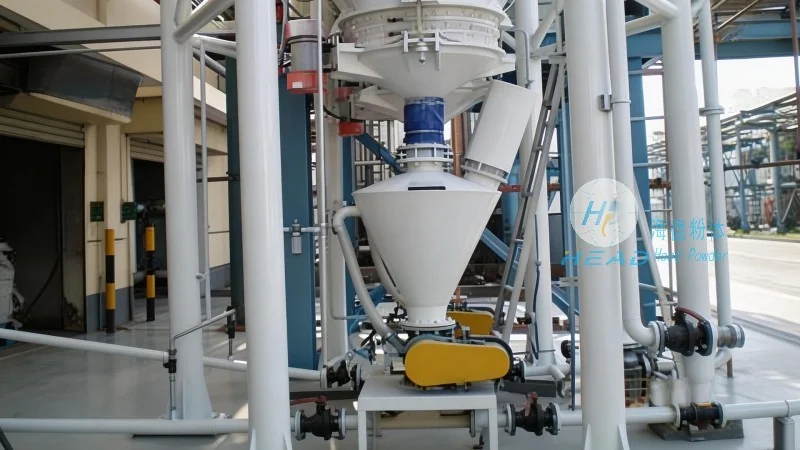
Negative Pressure Conveying Mode: Applications and Technical Considerations
Negative pressure (or vacuum) pneumatic conveying systems, on the other hand, create a vacuum in the conveying line to draw material from the source. This mode is often preferred for applications where dust control is critical or when the material needs to be transported from a confined space, such as a hopper or storage silo. Negative pressure systems excel in environments where minimizing dust emissions is a priority, as the vacuum draws material into the line while preventing air leakage and dust dispersion. However, they are generally less suitable for long-distance or high-velocity conveying due to limitations in vacuum pressure and material handling capacity. Technically, negative pressure systems rely on vacuum pumps or fans to create the necessary suction, with typical vacuum levels ranging from 50 to 200 mbar. The system design must account for the risk of material clogging or blockages, as the lower pressure may not effectively transport fine or sticky glass slag particles. HeadPowder engineers carefully evaluate the material's properties, including particle size distribution, moisture content, and abrasiveness, to determine the optimal negative pressure configuration.
Key Technical Parameters for Glass Slag Conveying
When selecting a pneumatic conveying system for glass slag, several critical technical parameters must be considered to ensure optimal performance and longevity. These parameters include material flow rate, particle size, moisture content, and system pressure or vacuum levels. The flow rate, measured in kilograms per hour or cubic meters per hour, determines the capacity of the system and must align with the production rate of the glass manufacturing facility. Particle size is a significant factor, as larger particles may require higher pressure or different blower types to ensure smooth transport. Moisture content affects the material's flowability and can lead to clogging if not properly managed, especially in negative pressure systems. System pressure or vacuum levels are directly related to the conveying distance and the complexity of the piping layout. For example, a positive pressure system with a pressure of 10 bar can typically convey glass slag over 100 meters, while a negative pressure system with a vacuum of 150 mbar may be limited to shorter distances, typically under 50 meters. HeadPowder's engineering team conducts thorough material analysis and system simulations to determine the precise parameters for each application, ensuring that the chosen system meets both current and future operational demands.
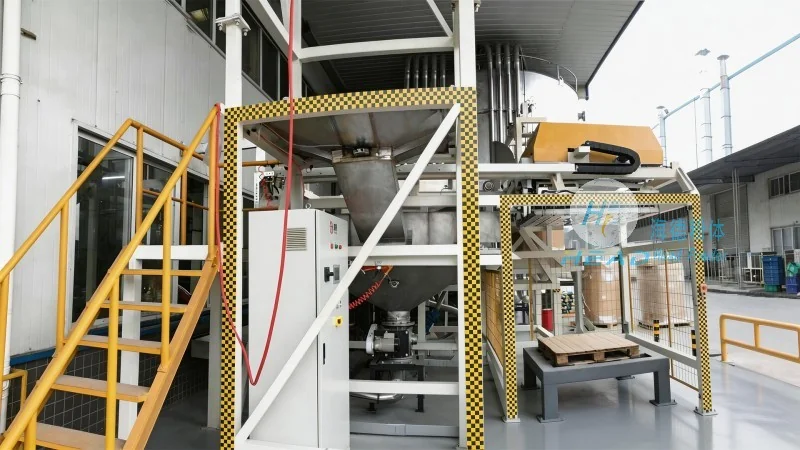
System Components and Integration in Glass Slag Handling
The efficiency of a glass slag pneumatic conveying system depends on the integration of several key components, each designed to perform a specific function in the material transport process. These components include the material feed hopper, which stores and feeds the glass slag into the conveying line; the air or gas source, such as a blower or compressor for positive pressure systems or a vacuum pump for negative pressure systems; the conveying line, which transports the material; and the material discharge device, which delivers the glass slag to the destination. The feed hopper is typically equipped with a rotary valve or a gate valve to control the material flow rate and prevent blockages. The air source is selected based on the required pressure or vacuum level and the system's flow rate, with options including rotary lobe blowers (high pressure, low flow) and centrifugal fans (low pressure, high flow). The conveying line is usually made of stainless steel or other corrosion-resistant materials to withstand the abrasive nature of glass slag, with internal diameters ranging from 50 to 200 mm depending on the material flow rate. The discharge device may include a rotary valve, a baghouse filter, or a cyclone separator, depending on the downstream application. HeadPowder integrates these components into a cohesive system, ensuring seamless operation and minimal downtime. The company's engineers also consider factors like system maintenance and accessibility, designing components that are easy to inspect and replace to reduce operational costs.
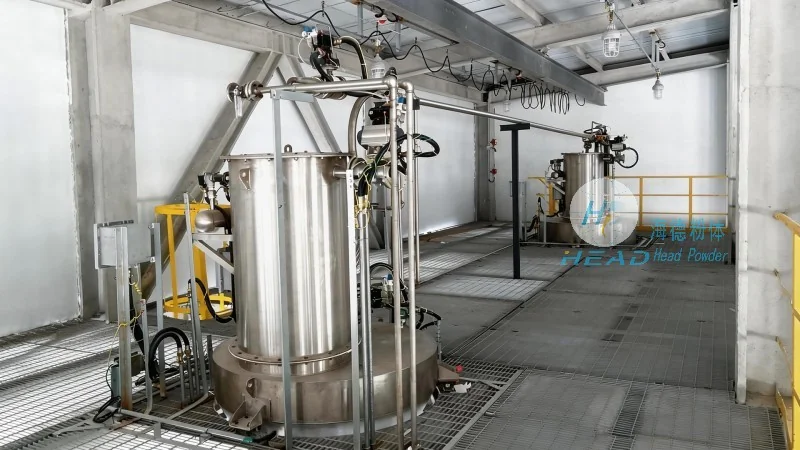
Case Studies and Real-World Applications
HeadPowder has successfully implemented glass slag pneumatic conveying systems in various industrial settings, demonstrating the effectiveness of both positive and negative pressure modes. For instance, a glass manufacturing plant in Shandong, China, required a system to transport glass slag from the production line to a nearby disposal facility over a distance of 120 meters. The HeadPowder team recommended a positive pressure system with a 10 bar pressure and a rotary lobe blower, which successfully handled the abrasive glass slag without causing excessive wear on the components. The system operated continuously for over 8 hours per day, achieving a flow rate of 5 tons per hour and maintaining a low dust emission rate. Another application involved a negative pressure system installed in a glass recycling facility, where the goal was to transport fine glass particles from a storage silo to a processing unit while minimizing dust exposure. The HeadPowder-designed system used a vacuum pump with a 150 mbar vacuum level and a cyclone separator to collect the fine particles, ensuring that the material was conveyed efficiently without clogging the line. These case studies highlight the adaptability of pneumatic conveying systems to different glass slag handling scenarios and the importance of selecting the appropriate mode based on operational requirements.
Conclusion: Choosing the Right Pneumatic Conveying System for Glass Slag
When it comes to transporting glass slag, the choice between positive and negative pressure pneumatic conveying systems depends on a variety of factors, including the system's capacity, the distance to be covered, the material's properties, and the need for dust control. Positive pressure systems offer higher pressure and greater flexibility for long-distance or complex conveying, while negative pressure systems excel in dust-sensitive environments and for transporting material from confined spaces. Shandong HeadPowder Engineering Co., Ltd. provides comprehensive technical analysis and tailored solutions for glass slag pneumatic conveying, ensuring that clients select the most efficient and reliable system for their specific needs. By considering key technical parameters, system components, and real-world applications, HeadPowder helps glass manufacturers optimize their material handling processes, reduce operational costs, and enhance overall productivity. As the demand for efficient glass slag disposal and recycling increases, the role of advanced pneumatic conveying systems becomes increasingly critical, and companies like HeadPowder are at the forefront of providing innovative solutions to meet these challenges.




