Adipic acid, a key raw material in the chemical industry, often requires efficient and reliable material handling solutions for its production and processing. Pneumatic conveying systems have emerged as a critical technology for transporting adipic acid and related powders. This article provides a classification of pneumatic conveying systems and an analysis of their applications, focusing on the specific needs of adipic acid handling. The solutions are provided by Shandong HeadPowder Engineering Co., Ltd., a leading engineering company based in Shandong, China, specializing in bulk material handling systems.
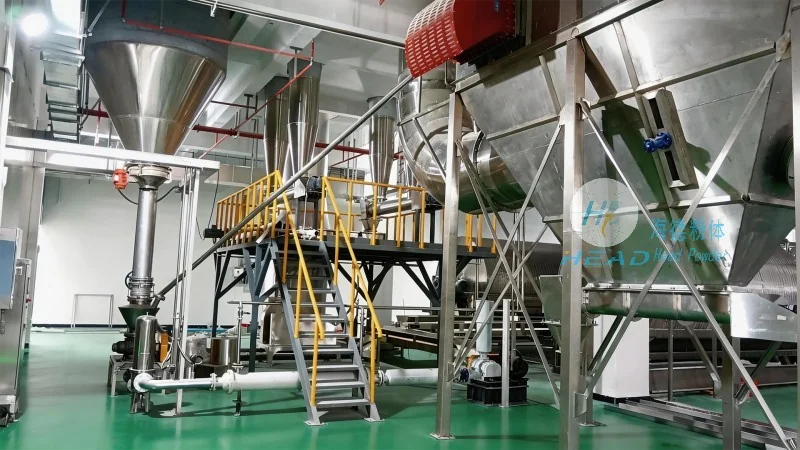
Introduction to Pneumatic Conveying Systems for Adipic Acid
Pneumatic conveying systems utilize air or other gases to transport bulk materials like adipic acid from one location to another. These systems are widely adopted in the chemical industry due to their ability to handle fine powders, minimize product contamination, and ensure a continuous flow process. The choice of a suitable pneumatic conveying system depends on various factors, including the material properties of adipic acid, the required conveying distance, and the production scale.
Classification of Pneumatic Conveying Systems
Pneumatic conveying systems can be broadly classified into two main categories: positive pressure systems and negative pressure systems. Each type has distinct characteristics and is suitable for different operational conditions.
Positive Pressure Pneumatic Conveying Systems
Positive pressure systems operate by blowing air or gas into the conveying line, creating a pressure higher than the ambient air pressure. This method is commonly used for short to medium conveying distances and for materials that are not highly abrasive or corrosive. In the context of adipic acid, positive pressure systems are often preferred when the material needs to be transported to a higher elevation or when the system is integrated with other processing equipment.
Negative Pressure Pneumatic Conveying Systems
Negative pressure systems, also known as suction systems, operate by creating a vacuum in the conveying line, drawing the material and air mixture into the system. These systems are typically used for longer conveying distances and for materials that are more sensitive to pressure changes or for applications where the receiving point is at a lower elevation. For adipic acid, negative pressure systems are advantageous when dealing with large volumes or when the material needs to be transported over longer distances without significant pressure drops.
Other Specialized Conveying Systems
Beyond the basic positive and negative pressure systems, there are specialized pneumatic conveying technologies tailored for specific material characteristics. For instance, dense phase conveying systems are designed to handle high-density materials like adipic acid with minimal particle degradation. These systems operate at low air velocities, ensuring a more controlled and gentle transport process, which is crucial for maintaining the quality of adipic acid during handling.
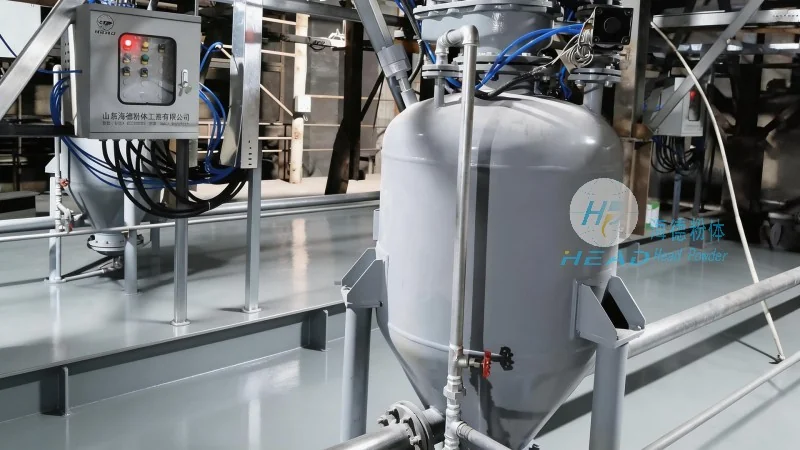
Application Analysis of Adipic Acid Pneumatic Conveying Systems
The application of pneumatic conveying systems for adipic acid varies based on the production stage and the specific requirements of the facility. Here are some key applications:
Raw Material Handling and Storage
At the initial stage of adipic acid production, raw materials such as benzene and adipic acid precursors are often received and stored in bulk. Pneumatic conveying systems are used to transfer these raw materials from storage silos or trucks to the processing reactors. This process ensures a continuous supply of raw materials, reducing downtime and improving overall production efficiency.
In-Process Material Transfer
During the chemical synthesis of adipic acid, intermediate products and byproducts need to be transferred between reactors and separation units. Pneumatic conveying systems provide a clean and efficient method for moving these materials, minimizing the risk of contamination and ensuring that the production process remains uninterrupted.
Product Packaging and Distribution
After the adipic acid is fully synthesized and purified, it is ready for packaging and distribution. Pneumatic conveying systems can be integrated into the packaging line to transport the final product from storage tanks to packaging machines. This ensures a smooth transition from production to packaging, maintaining product integrity and reducing manual handling errors.
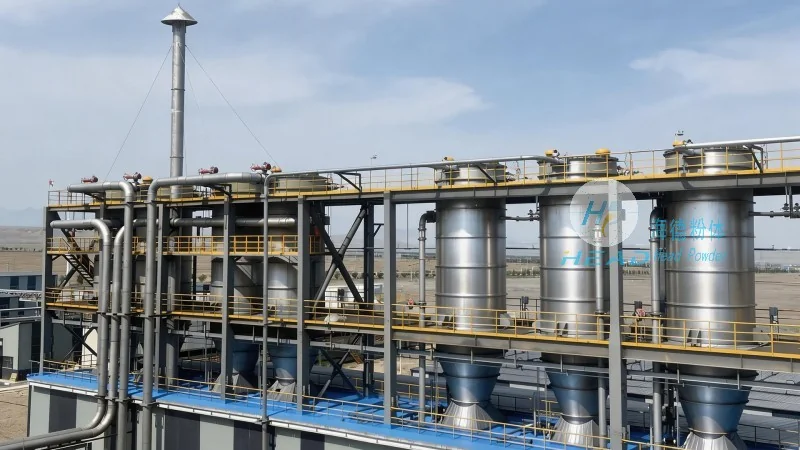
Key Considerations for Selecting a Pneumatic Conveying System for Adipic Acid
When selecting a pneumatic conveying system for adipic acid, several factors must be considered to ensure optimal performance and reliability. These include:
Material Properties
Adipic acid is a fine powder with specific flow characteristics. The conveying system must be designed to handle its particle size, density, and moisture content. For example, systems with appropriate air velocity and pressure control are essential to prevent material bridging or clogging in the conveying line.
System Pressure and Airflow
The pressure and airflow rates in the pneumatic conveying system directly impact the conveying capacity and distance. Higher pressure systems can handle longer distances and larger volumes, while lower pressure systems are suitable for shorter distances and more delicate materials. For adipic acid, a balanced approach is often required to maintain product quality while achieving the desired conveying efficiency.
Equipment Maintenance and Durability
Pneumatic conveying systems involve components such as pumps, filters, and conveying lines that require regular maintenance. The choice of materials for these components, such as corrosion-resistant metals or specialized plastics, is critical to ensure the long-term durability of the system, especially when handling chemicals like adipic acid.
Conclusion
Pneumatic conveying systems play a vital role in the efficient and safe handling of adipic acid in the chemical industry. By understanding the classification of these systems and their specific applications, manufacturers can select the most appropriate technology to meet their operational needs. The systems not only enhance production efficiency but also contribute to maintaining product quality and reducing operational costs. As the demand for adipic acid continues to grow, the importance of reliable pneumatic conveying solutions will remain paramount in ensuring smooth and sustainable production processes.




