In industrial production, the conveying of fine coal powder is a critical link in many processes. Pneumatic conveying, as an efficient and flexible conveying technology, demonstrates significant advantages in handling fine particulate materials. This article will delve into the technical principles of fine coal powder pneumatic conveying systems and compare the characteristics of positive pressure and negative pressure conveying modes, providing technical references for industrial applications.
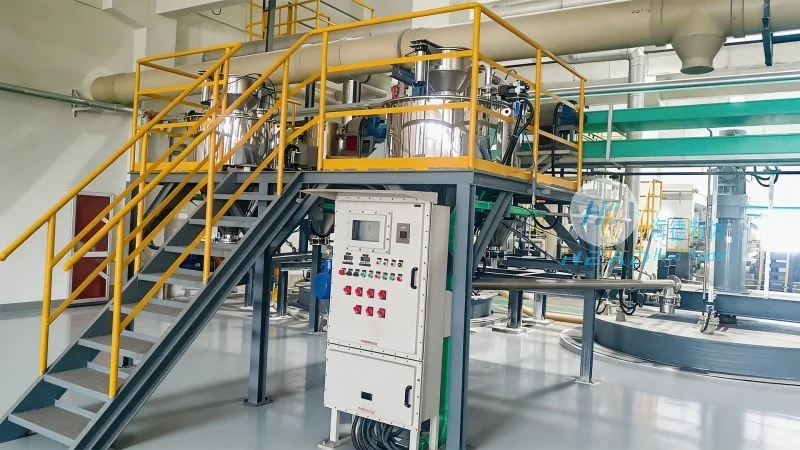
Positive Pressure Conveying Mode: Working Principle and Characteristics
Positive pressure pneumatic conveying systems maintain air pressure above ambient pressure within the conveying pipeline to transport materials. The system typically consists of feeding devices, air source equipment, conveying pipelines, separators, and receiving equipment. During operation, the air source supplies compressed air into the pipeline, forming high-pressure air flow, and materials move along with the air flow under pressure, ultimately being separated and collected at the receiving end. The positive pressure conveying mode has advantages such as long conveying distance, large conveying capacity, and good system sealing, suitable for long-distance, high-flow fine coal powder conveying tasks. Additionally, the positive pressure system causes less wear on materials, maintaining the original state of the materials, and is suitable for scenarios with high requirements for material quality.
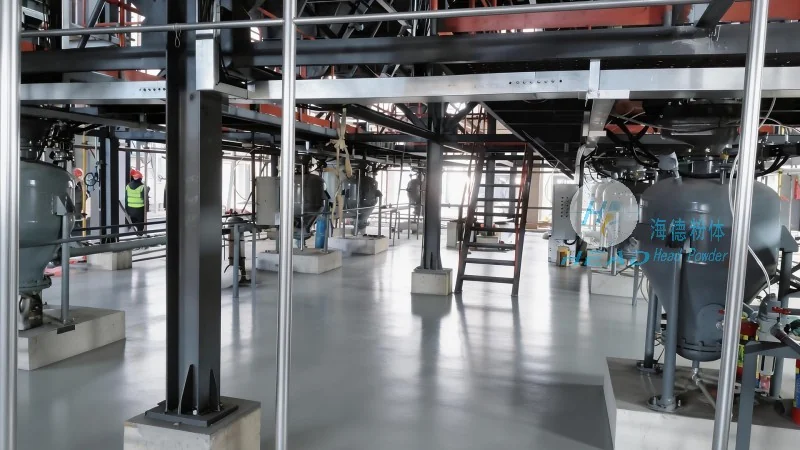
Negative Pressure Conveying Mode: Working Principle and Characteristics
Negative pressure pneumatic conveying systems maintain air pressure below ambient pressure within the conveying pipeline to transport materials. The system typically includes a suction nozzle, vacuum pump, conveying pipeline, separator, and receiving equipment. During operation, the vacuum pump creates a negative pressure in the pipeline, and materials are drawn into the pipeline and conveyed to the receiving end along with the air flow. The negative pressure conveying mode has characteristics such as minimal environmental interference, flexible equipment installation location, and suitability for short-distance conveying. However, the negative pressure system has higher requirements for pipeline sealing to prevent air leakage and affect the negative pressure effect. Additionally, the conveying distance of negative pressure conveying is usually short, suitable for short-distance or environmentally strict scenarios.
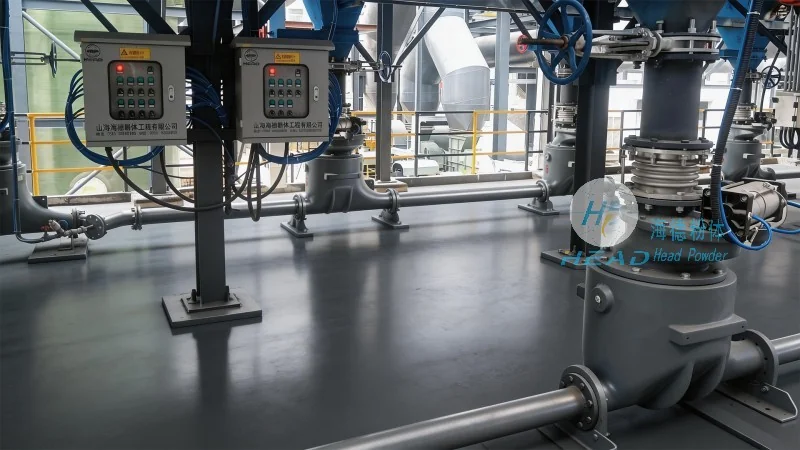
Comparison of Positive and Negative Pressure Conveying Modes
There are significant differences between positive and negative pressure conveying modes in multiple aspects. Firstly, the pressure conditions differ: the positive pressure system maintains pressure above atmospheric pressure, while the negative pressure system maintains pressure below atmospheric pressure. Secondly, conveying distance and capacity: the positive pressure system is more suitable for long-distance, high-flow conveying, and the negative pressure system is suitable for short-distance, low-flow conveying. Thirdly, system sealing requirements: the positive pressure system has relatively low sealing requirements, while the negative pressure system requires higher levels of sealing to maintain the negative pressure environment. Additionally, in terms of environmental impact, the positive pressure system may cause some pressure fluctuations around the environment, while the negative pressure system is quieter and causes less environmental interference. In industrial applications, the choice of mode should be comprehensively considered based on specific operating conditions, conveying distance, material properties, and environmental requirements.
About Shandong HeadPowder Engineering Co., Ltd.
Shandong HeadPowder Engineering Co., Ltd., abbreviated as HeadPowder, is a professional company specializing in customized solution delivery for fine particulate material conveying technology. Headquartered in Shandong Province, China, the company, with its deep technical accumulation and rich engineering experience, provides industrial clients with customized pneumatic conveying systems. The technical team of HeadPowder continuously researches and innovates, optimizing the performance of positive and negative pressure conveying systems to meet the needs of fine coal powder conveying in different industries. The company attaches importance to product quality and customer service, committed to providing efficient, reliable, and cost-effective conveying solutions for clients, helping them improve production efficiency and material management capabilities.
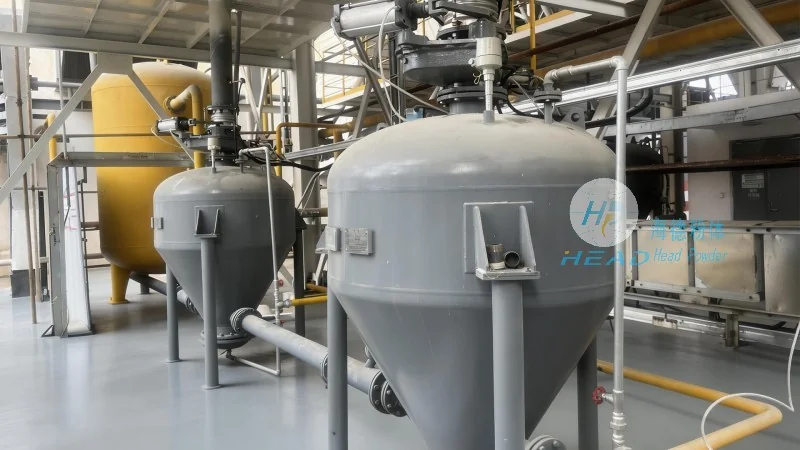
Conclusion: Selecting the Right Conveying Mode for Industrial Applications
The selection of fine coal powder pneumatic conveying systems requires comprehensive consideration of multiple factors, and the positive and negative pressure modes each have advantages suitable for different industrial scenarios. The positive pressure conveying mode excels in long-distance, high-flow conveying, while the negative pressure conveying mode is more suitable for short-distance, environmentally strict scenarios. Industrial enterprises should fully assess factors such as conveying distance, material properties, environmental requirements, and system cost when selecting a conveying system to determine the most appropriate mode. Shandong HeadPowder Engineering Co., Ltd., with its professional technical team and customized solutions, can provide optimal pneumatic conveying systems for different clients to meet their production needs. By reasonably selecting the positive or negative pressure conveying mode, enterprises can effectively improve the efficiency of fine coal powder conveying, reduce operating costs, and achieve optimization and upgrading of the production process.




