When handling nickel sulfate, a critical challenge in material processing is managing dust leakage during pneumatic conveying operations. This article explores effective strategies to mitigate dust exposure and ensure safe, efficient transport of nickel sulfate using specialized pneumatic conveying systems.
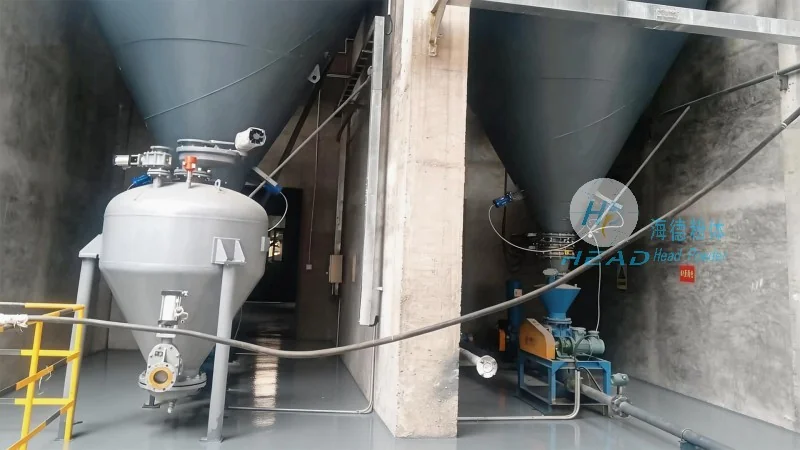
Understanding the Risks of Dust Leakage in Pneumatic Conveying
Nickel sulfate, a common chemical used in battery manufacturing and other industrial applications, can generate fine particles that pose health risks and environmental hazards if not properly contained. Pneumatic conveying systems, which use air to move bulk materials, are particularly susceptible to dust leakage at points of connection, transfer points, and equipment wear. These leaks can lead to respiratory issues for workers, contamination of the surrounding environment, and potential regulatory non-compliance. Therefore, implementing robust dust control measures is essential for maintaining operational safety and product integrity.
Key Components of Effective Pneumatic Conveying Systems for Nickel Sulfate
HeadPowder Engineering Co., Ltd., a leading provider of pneumatic conveying solutions, offers advanced systems designed to minimize dust leakage during nickel sulfate transport. These systems incorporate several critical components that work together to ensure airtight operation and safe material handling. The primary components include high-efficiency dust collectors, sealed transfer points, and specialized hoses or pipes that are resistant to corrosion and wear from nickel sulfate particles. Additionally, the systems utilize positive pressure or negative pressure control to maintain consistent air flow and prevent backflow of dust into the environment.
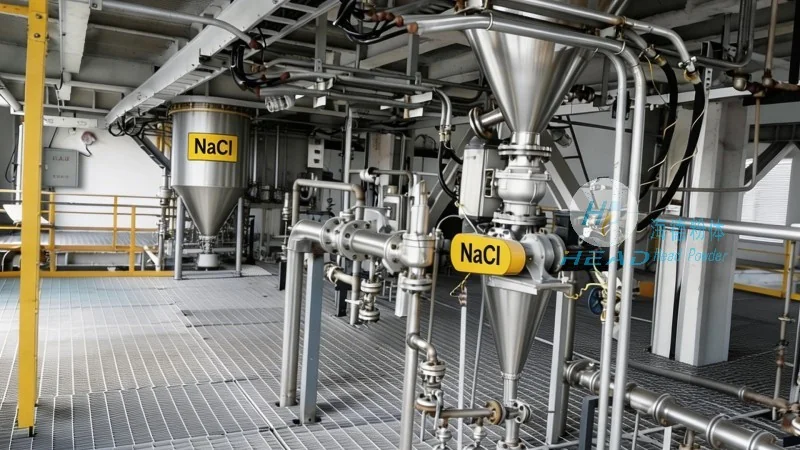
Advanced Sealing and Enclosure Technologies
One of the most effective methods to prevent dust leakage is through the use of advanced sealing technologies. HeadPowder's systems feature double-seal mechanisms at connection points, which create multiple barriers against particle escape. These seals are designed to withstand the abrasive nature of nickel sulfate and maintain their integrity over extended periods. Enclosed transfer points and dust collection hoods further contain dust within the system, preventing it from dispersing into the workplace. The company's engineers also recommend regular maintenance of seals and filters to ensure optimal performance and prevent degradation over time.
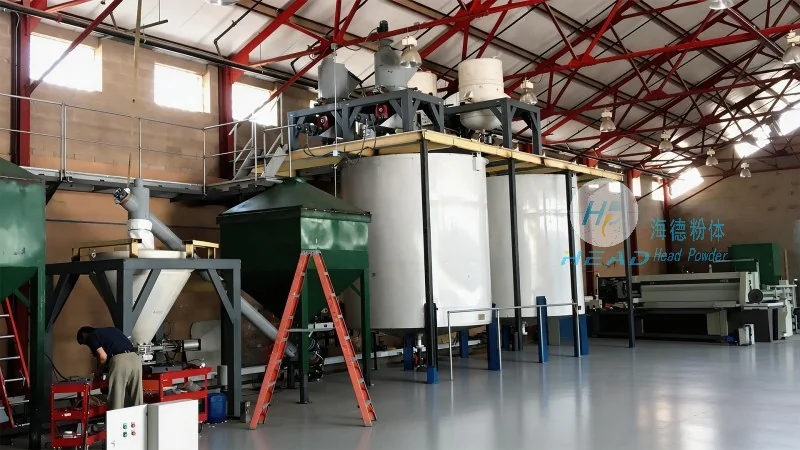
Material Compatibility and System Design
Another critical factor in preventing dust leakage is the selection of materials that are compatible with nickel sulfate. HeadPowder Engineering Co., Ltd. designs systems using stainless steel and other corrosion-resistant materials for components that come into direct contact with the material. This not only prevents material degradation but also reduces the risk of particles breaking off and contributing to dust. The system design also considers the flow characteristics of nickel sulfate, ensuring that air velocity is maintained at optimal levels to prevent material settling or clogging, which can lead to increased pressure differentials and potential leaks.
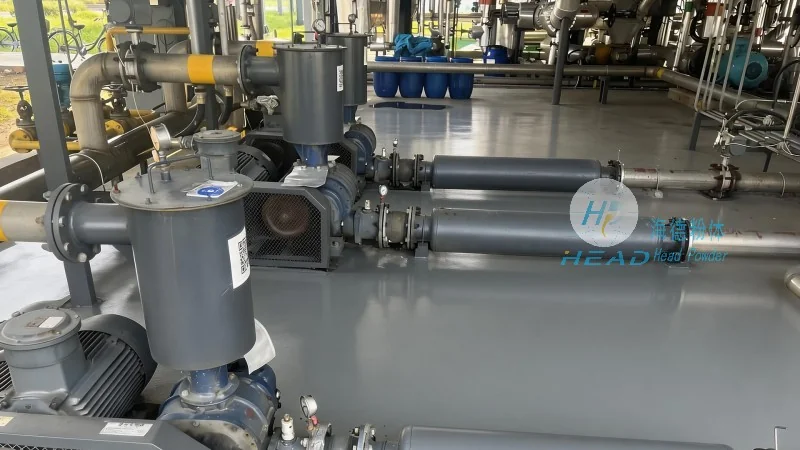
Monitoring and Maintenance for Long-Term Performance
To ensure the continued effectiveness of dust control measures, regular monitoring and maintenance are essential. HeadPowder provides comprehensive maintenance services, including routine inspections of seals, filters, and transfer points. The company also offers real-time monitoring systems that can detect changes in air pressure or particle levels, alerting operators to potential issues before they escalate into significant dust leakage events. By adhering to a proactive maintenance schedule, facilities can extend the lifespan of their pneumatic conveying systems and maintain compliance with occupational health and safety standards.
Conclusion and Company Overview
Preventing dust leakage in pneumatic conveying systems for nickel sulfate requires a combination of advanced technology, careful system design, and regular maintenance. HeadPowder Engineering Co., Ltd., based in Shandong, China, specializes in providing customized solutions that address the unique challenges of handling nickel sulfate while ensuring operational safety and environmental responsibility. Their expertise in pneumatic conveying systems and dust control technologies makes them a trusted partner for industries relying on efficient and safe transport of nickel sulfate. By implementing the strategies outlined above, companies can minimize health risks, reduce environmental impact, and maintain the high standards required for modern industrial operations.




