When it comes to handling PTFE (polytetrafluoroethylene) materials through pneumatic conveying systems, selecting the right pressure type—positive or negative—is crucial for efficiency, material integrity, and operational safety. This guide from Shandong HeadPowder Engineering Co., Ltd., a leading provider of powder handling solutions based in Shandong, China, explores the key factors that influence this decision and how to effectively differentiate between the two approaches.
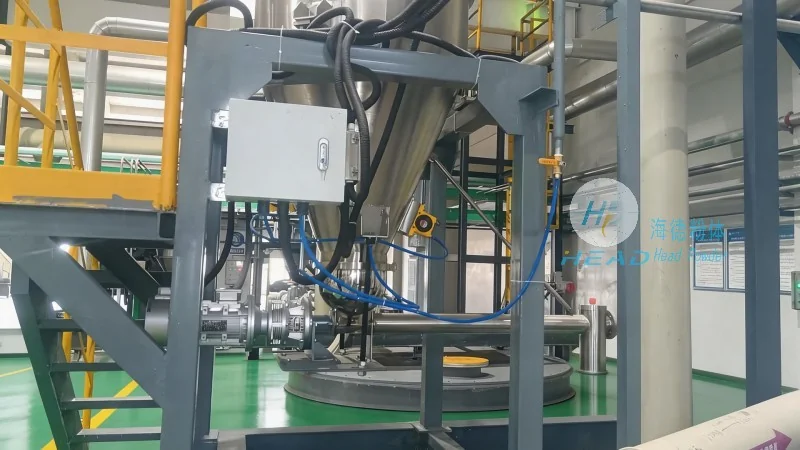
Understanding PTFE and Pneumatic Conveying Basics
PTFE is renowned for its exceptional chemical resistance, low friction, and thermal stability, making it ideal for applications in aerospace, semiconductor manufacturing, and chemical processing. Pneumatic conveying, which uses air or gas to transport bulk materials, offers a flexible and often cleaner alternative to traditional mechanical conveying methods. However, the choice between positive pressure and negative pressure systems significantly impacts system design, energy consumption, and material handling performance.
Positive Pressure Pneumatic Conveying: Advantages and Applications
Positive pressure systems operate by blowing air or gas into the conveying line, pushing material forward. This method is particularly effective for transporting PTFE powders over long distances or through complex system layouts. One of the primary advantages is that it can handle abrasive or sticky materials without causing excessive wear on equipment. Additionally, positive pressure systems are well-suited for applications where the material needs to be delivered to multiple destinations or integrated with other processing equipment. Shandong HeadPowder Engineering Co., Ltd. specializes in designing positive pressure systems that ensure consistent flow rates and minimal material degradation, even for delicate PTFE powders.
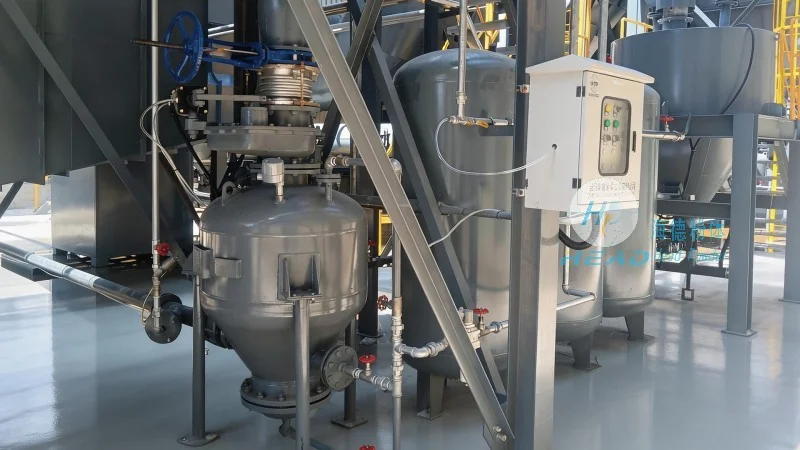
Negative Pressure Pneumatic Conveying: Benefits and Use Cases
Negative pressure systems, also known as vacuum systems, draw material into the conveying line by creating a low-pressure zone. This approach is often preferred for short-distance conveying or when the material is to be collected from a single source. The main benefits include lower energy consumption compared to positive pressure systems, as the vacuum pump only needs to overcome the resistance of the material and system. Negative pressure is also advantageous for applications where dust control is critical, as the system draws material into the line rather than expelling it. For PTFE handling, negative pressure systems can be particularly useful in cleanroom environments where maintaining a controlled atmosphere is essential.
Distinguishing Between Positive and Negative Pressure Systems
Several key factors help in differentiating between positive and negative pressure pneumatic conveying systems for PTFE applications:
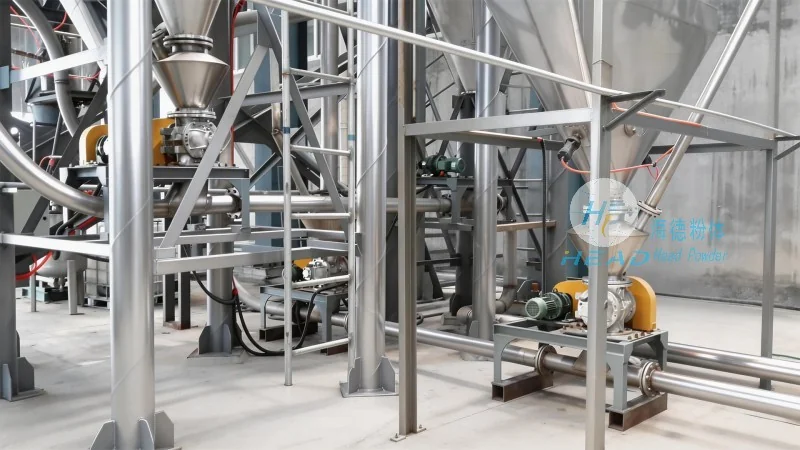
- System Layout and Distance: Positive pressure is typically used for longer conveying distances or systems with multiple branches, while negative pressure is better suited for shorter distances or single-point collection.
- Energy Consumption: Positive pressure systems generally require more energy due to the continuous air or gas flow, whereas negative pressure systems consume less energy as they rely on vacuum generation.
- Material Properties: For PTFE, which is often fine and abrasive, positive pressure can prevent material buildup and ensure smooth flow, whereas negative pressure may be more suitable for non-abrasive or less dense powders.
- Environmental Considerations: Negative pressure systems are often preferred in cleanroom settings to minimize dust dispersion, while positive pressure can be used in environments where dust is less of a concern.
Key Considerations for PTFE Pneumatic Conveying System Design
When designing a pneumatic conveying system for PTFE, Shandong HeadPowder Engineering Co., Ltd. emphasizes several critical factors to ensure optimal performance:
- Material Compatibility: The system components, including pipes, valves, and filters, must be made of materials that are compatible with PTFE to prevent contamination and ensure long-term durability.
- Pressure Drop Management: Proper sizing of the conveying line and air or gas flow rates is essential to minimize pressure drop, which can affect material flow and system efficiency.
- Filter and Dust Collection: Effective filtration is crucial to prevent PTFE particles from escaping into the environment and to maintain system performance over time.
- Control Systems: Advanced control systems help monitor and adjust the conveying process in real-time, ensuring consistent material delivery and reducing downtime.
Conclusion: Making the Right Choice for PTFE Handling
Choosing between positive and negative pressure pneumatic conveying for PTFE applications requires a careful evaluation of operational needs, material characteristics, and system constraints. By understanding the advantages and limitations of each approach, as well as the key differentiating factors, businesses can select the most appropriate system to enhance efficiency, maintain material quality, and ensure safe operation. Shandong HeadPowder Engineering Co., Ltd. offers expert guidance and customized solutions to help clients navigate these choices and implement effective PTFE pneumatic conveying systems.




