When operating pneumatic conveying systems to transport silt and sand, preventing dust leakage is a critical challenge for maintaining operational efficiency and ensuring workplace safety. Silt and sand are inherently fine materials that can easily generate dust during the conveying process, leading to environmental contamination and health hazards. This article explores effective strategies and solutions provided by Shandong HeadPowder Engineering Co., Ltd. to mitigate dust leakage in such systems.
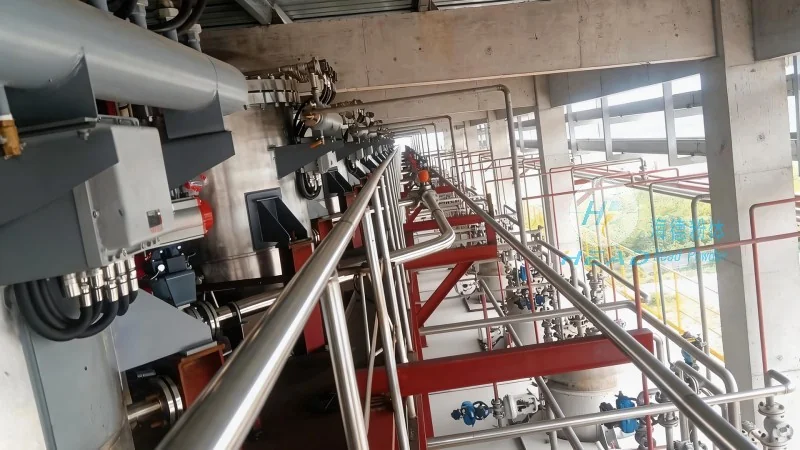
Understanding the Challenges of Dust Leakage in Silt and Sand Conveying
Pneumatic conveying systems rely on air pressure to move particulate materials like silt and sand through pipelines. However, the fine nature of these materials makes them prone to generating dust, especially when the material is agitated or flows through bends and fittings. Dust leakage can occur at various points in the system, including the inlet, outlet, and any joints or seals. This not only leads to material loss but also poses risks to the environment and workers. It is essential to address these challenges proactively to ensure the system operates efficiently and safely.
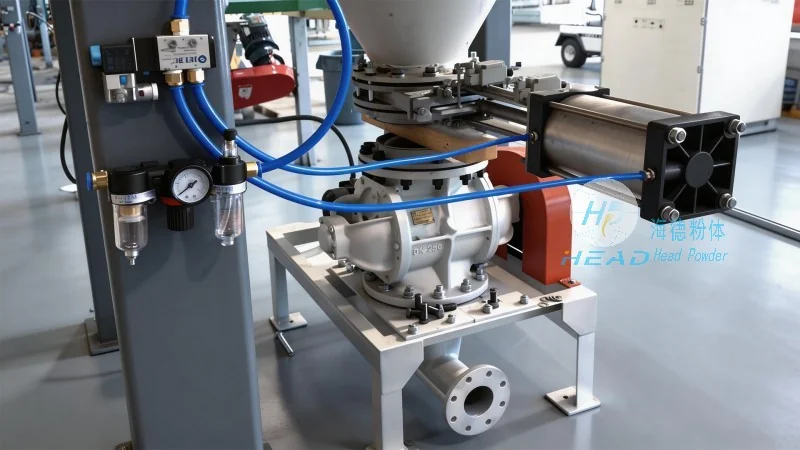
Key Solutions for Dust Control in Pneumatic Conveying Systems
Shandong HeadPowder Engineering Co., Ltd. offers comprehensive solutions to prevent dust leakage in pneumatic conveying systems for silt and sand. These solutions focus on improving system design, enhancing material handling techniques, and implementing effective dust control measures. One of the primary approaches is the use of high-quality seals and gaskets at all connections and joints. Properly designed seals can effectively prevent air and material leakage, maintaining the integrity of the conveying process. Additionally, the company recommends using specialized equipment such as dust collectors and filtration systems to capture any escaped dust particles, ensuring compliance with environmental regulations and improving air quality.
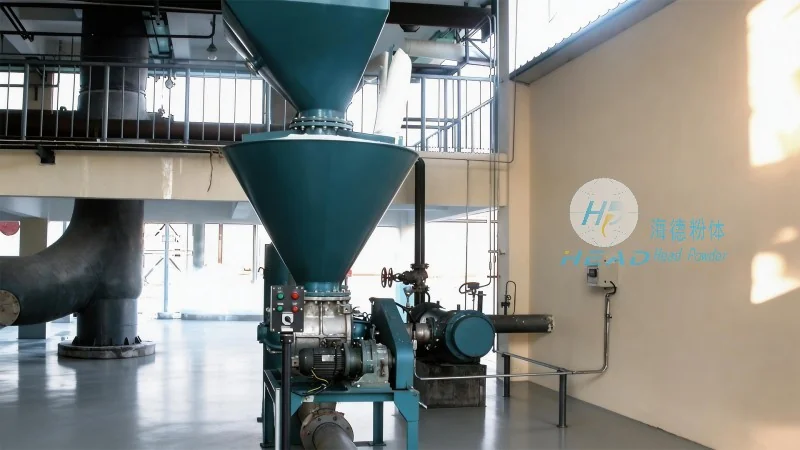
Optimizing System Design for Minimal Dust Leakage
The design of the pneumatic conveying system itself plays a crucial role in preventing dust leakage. A well-designed system includes features like smooth pipeline transitions, minimal bends, and appropriate air pressure control. Smooth transitions reduce the impact on material particles, minimizing the generation of dust. Additionally, using appropriate air velocity and pressure settings can prevent material degradation and dust formation. Shandong HeadPowder Engineering Co., Ltd. specializes in designing custom pneumatic conveying systems tailored to the specific characteristics of silt and sand, ensuring optimal performance and minimal dust leakage.
Regular Maintenance and Monitoring for Long-Term Performance
Even with the best design and equipment, regular maintenance and monitoring are essential to prevent dust leakage over time. Shandong HeadPowder Engineering Co., Ltd. provides maintenance services and monitoring tools to ensure the system remains in optimal condition. Regular inspections of seals, joints, and equipment can identify potential issues before they lead to significant dust leakage. The company also offers training programs for operators to ensure they understand the importance of proper operation and maintenance, further reducing the risk of dust leakage.
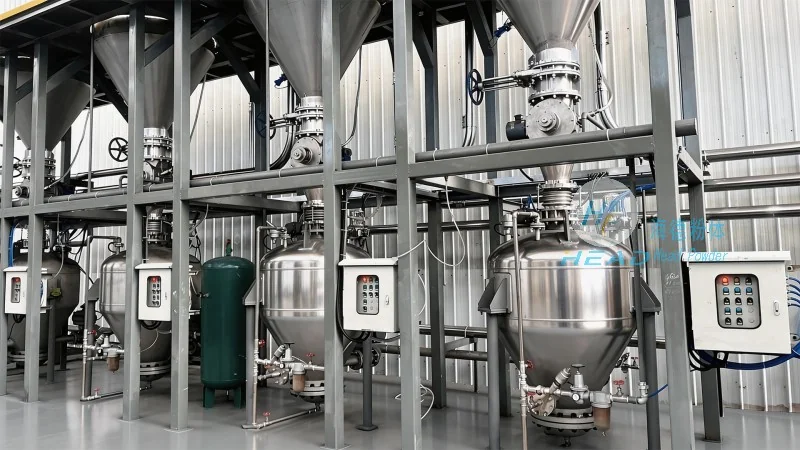
Conclusion: Ensuring Safe and Efficient Silt and Sand Conveying
Preventing dust leakage in pneumatic conveying systems when transporting silt and sand is a multifaceted challenge that requires a combination of proper system design, high-quality equipment, and regular maintenance. Shandong HeadPowder Engineering Co., Ltd. is committed to providing effective solutions to address these challenges, ensuring that clients can operate their systems efficiently while maintaining safety and environmental standards. By implementing the strategies outlined above, businesses can minimize dust leakage, reduce operational costs, and enhance overall productivity in their silt and sand conveying processes.




