Stone powder pneumatic conveying systems are essential in industrial applications for efficiently transporting bulk materials like stone powders. These systems utilize air as the conveying medium to move materials from one location to another, offering advantages such as reduced equipment wear, improved safety, and the ability to handle materials in a dust-free environment. The operation process and working principle of such systems are critical for understanding their functionality and optimizing performance. As a leading provider in the field, Shandong HeadPowder Engineering Co., Ltd. (headpowder) specializes in designing and manufacturing high-quality pneumatic conveying solutions tailored to meet the specific needs of industrial clients.
Key Components of a Pneumatic Conveying System
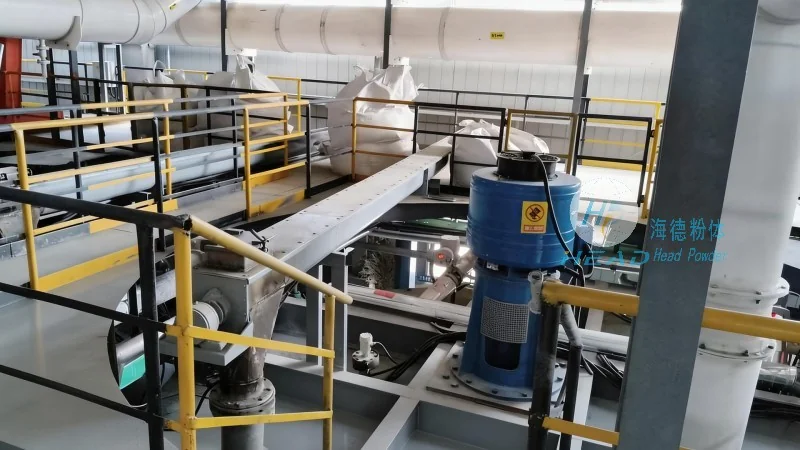
The core components of a stone powder pneumatic conveying system typically include a material hopper, a conveyor line, a dust collector, and a control system. The material hopper stores the stone powder and feeds it into the system. The conveyor line, often a pipeline, transports the material using air pressure. The dust collector ensures that any airborne particles are captured, maintaining air quality and preventing contamination. The control system manages the flow of material and air, ensuring smooth operation. Each component plays a vital role in the overall efficiency and reliability of the system.
Working Principle of Pneumatic Conveying
The working principle of a stone powder pneumatic conveying system involves creating a pressure differential between the material inlet and the outlet. Air is introduced into the system, either by a blower or a vacuum pump, to generate the necessary pressure. The stone powder is then drawn into the pipeline by the moving air, forming a slurry-like mixture. This mixture travels through the conveyor line to the discharge point. The system may use either positive pressure (where air pushes the material) or negative pressure (where air pulls the material), depending on the application and layout. The choice of pressure type affects the system's design, including pipeline length and material handling capacity.
Operation Process: Step-by-Step
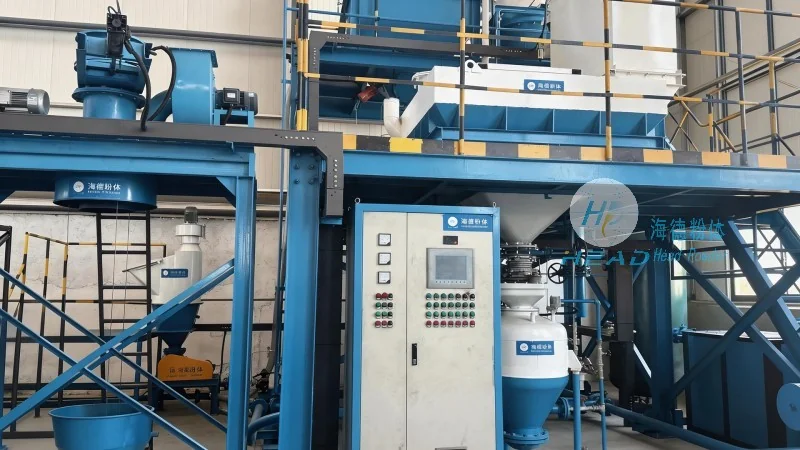
The operation process of a stone powder pneumatic conveying system involves several key steps. First, the stone powder is loaded into the material hopper. The control system then activates the blower or vacuum pump to start air flow. The material is then released from the hopper into the conveyor line, where it is mixed with the air. The mixture travels through the pipeline to the discharge point, where it is collected in a receiving container. The system continues to operate until the material hopper is empty or the desired amount has been conveyed. The control system monitors the flow rate and pressure to ensure optimal performance. Proper sequencing of these steps is crucial for preventing blockages and maintaining consistent material transport.
Advantages of Pneumatic Conveying for Stone Powders
Using a pneumatic conveying system for stone powders offers several advantages over traditional methods like belt conveyors or bucket elevators. These systems are more compact, requiring less floor space and reducing the need for extensive infrastructure. They also reduce the risk of material contamination and dust exposure, which is crucial for maintaining product quality and worker safety. Additionally, pneumatic conveying systems can handle materials with varying particle sizes and moisture content, making them versatile for different applications. The ability to transport materials in a closed system also minimizes environmental impact and improves overall efficiency by reducing material loss and energy consumption.
Applications in Industrial Settings
Stone powder pneumatic conveying systems are widely used in various industrial sectors, including mining, construction, and manufacturing. In mining operations, they are used to transport crushed stone powders from processing plants to storage facilities or for further processing. In construction, they help in transporting cement or other building materials to job sites, improving logistics and reducing labor costs. In manufacturing, these systems are used to convey raw materials or finished products in production lines, enhancing workflow and productivity. The flexibility and efficiency of pneumatic conveying make it suitable for a wide range of applications where traditional methods may be less effective or more costly.
Maintenance and Troubleshooting
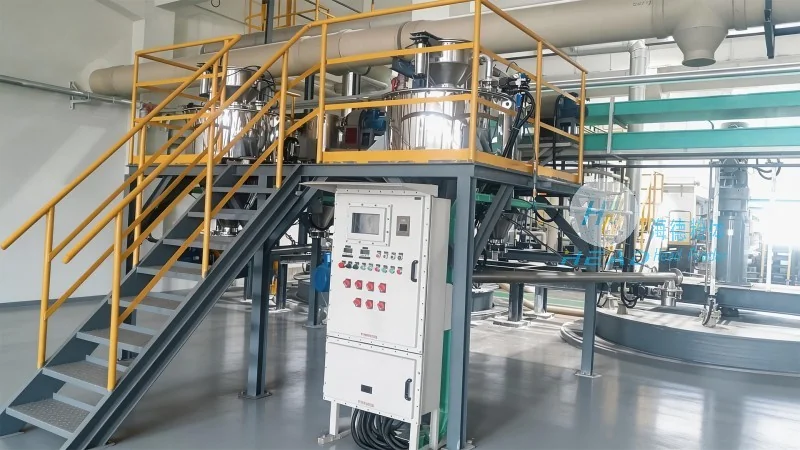
Regular maintenance is essential to ensure the smooth operation of a stone powder pneumatic conveying system. This includes checking the blower or vacuum pump for proper air flow, inspecting the conveyor line for blockages or leaks, and cleaning the dust collector regularly. Common issues that may arise include material buildup in the pipeline, air leaks, or clogged filters. Troubleshooting these issues involves checking the system's pressure and flow rates, inspecting components for wear or damage, and cleaning or replacing parts as needed. Proper maintenance helps to extend the lifespan of the system and minimize downtime, ensuring consistent performance and reliability.
Conclusion: The Importance of Understanding System Operation
Understanding the operation process and working principle of a stone powder pneumatic conveying system is vital for optimizing its performance and ensuring efficient material transport. By following the step-by-step operation process and maintaining the system properly, users can maximize its benefits while minimizing potential issues. The versatility and efficiency of pneumatic conveying make it an ideal solution for handling stone powders in various industrial applications. As technology advances, these systems continue to evolve, offering even better performance and reliability for industrial users. For businesses seeking reliable and efficient material handling solutions, pneumatic conveying systems remain a top choice, supported by expert manufacturers like Shandong HeadPowder Engineering Co., Ltd. (headpowder).




