Quantitative weighing pneumatic conveying systems represent a sophisticated technology used in material handling and processing industries. These systems are designed to transport bulk materials through an enclosed pipeline using compressed air or other gas streams. The primary objective is to achieve precise, controlled material flow while maintaining the integrity of the conveyed product. This technology is widely adopted in sectors such as food processing, pharmaceuticals, chemicals, and minerals, where accuracy and hygiene are critical. Developed and manufactured by Shandong HeadPowder Engineering Co., Ltd. (headpowder), these systems are engineered to meet the demanding requirements of modern industrial applications.
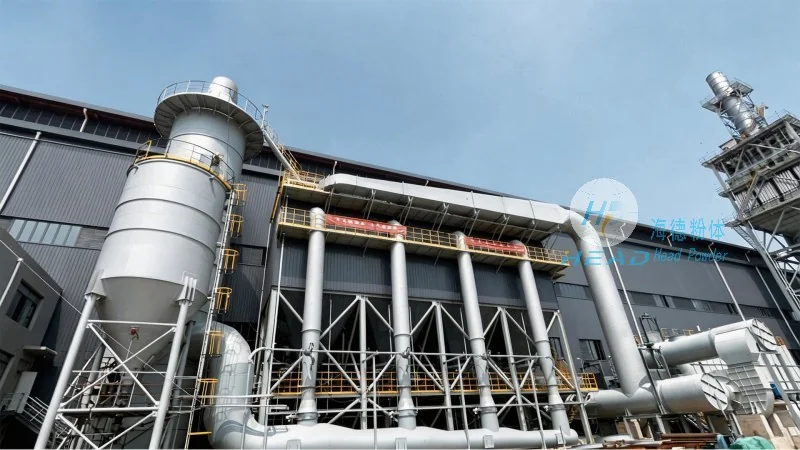
Key Components and Their Roles
The operation of a quantitative weighing pneumatic conveying system relies on several key components that work in tandem to ensure efficient and accurate material transport. The main components include the material hopper, feeder, airlock, conveying line, and a weighing hopper or scale. Each component plays a crucial role in the overall system performance.
The material hopper serves as the storage container for the bulk material. It is typically equipped with a lid to prevent contamination and dust accumulation. The feeder, often a rotary valve or a screw feeder, regulates the flow of material from the hopper into the conveying line. The airlock, positioned at the discharge end, prevents backflow of material and ensures a smooth transition from the conveying line to the weighing hopper. The conveying line, usually made of stainless steel or other corrosion-resistant materials, transports the material under pressure. The weighing hopper or scale is the core component for measuring the mass of the conveyed material, enabling precise control over the quantity being transported.
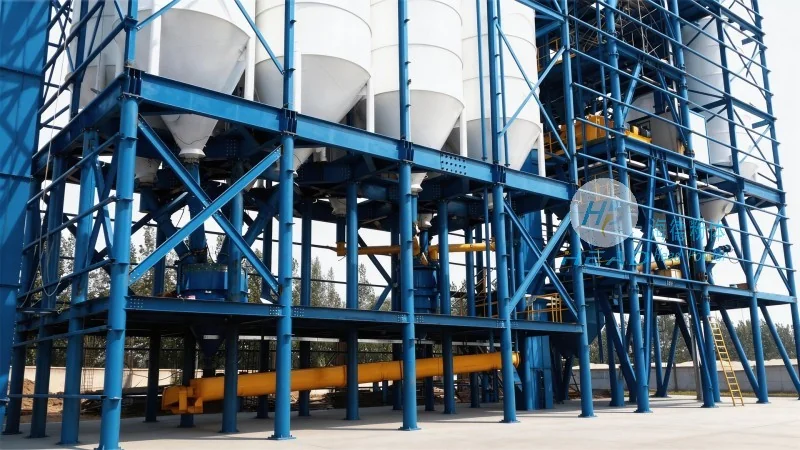
Working Principle of the System
The working principle of a quantitative weighing pneumatic conveying system involves several sequential steps. First, the material is stored in the hopper and fed into the conveying line by the feeder. Compressed air is then introduced into the conveying line, creating a flow that propels the material through the pipeline. The air and material mixture travels to the weighing hopper, where the mass is measured. The system uses this measurement to adjust the feeder speed or air pressure, ensuring that the material flow rate matches the desired weight. This closed-loop control system maintains consistent material delivery, minimizing variations and improving process efficiency.
Operation Process: Step-by-Step
The operation process of a quantitative weighing pneumatic conveying system can be broken down into the following steps:
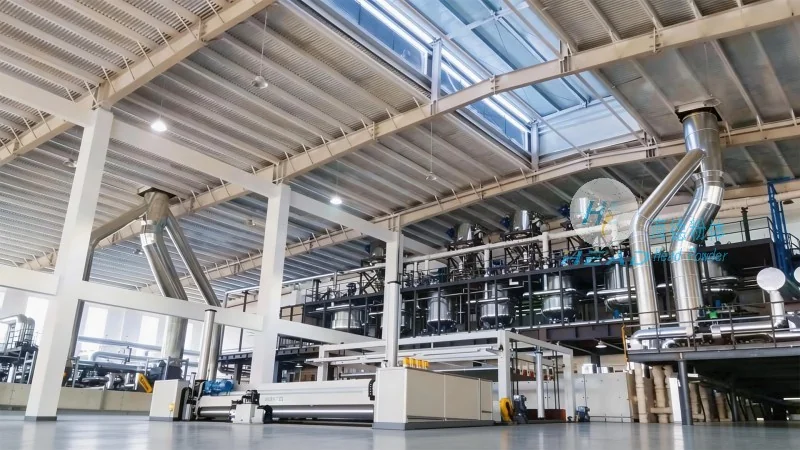
1. Material Loading: The bulk material is loaded into the material hopper. The hopper is designed to hold a sufficient quantity of material to ensure continuous operation without frequent refilling.
2. Feeding and Conveying: The feeder starts to discharge material into the conveying line at a controlled rate. Simultaneously, compressed air is supplied to the conveying line, creating a positive pressure that moves the material through the pipeline. The air and material mixture travels to the weighing hopper.
3. Weighing and Control: The weighing hopper measures the mass of the material received. The system’s control unit compares the actual weight with the setpoint. If the weight is below the target, the feeder speed increases or the air pressure adjusts to increase the flow rate. Conversely, if the weight exceeds the target, the feeder slows down or the air pressure reduces to decrease the flow rate. This feedback loop ensures precise control over the material quantity.
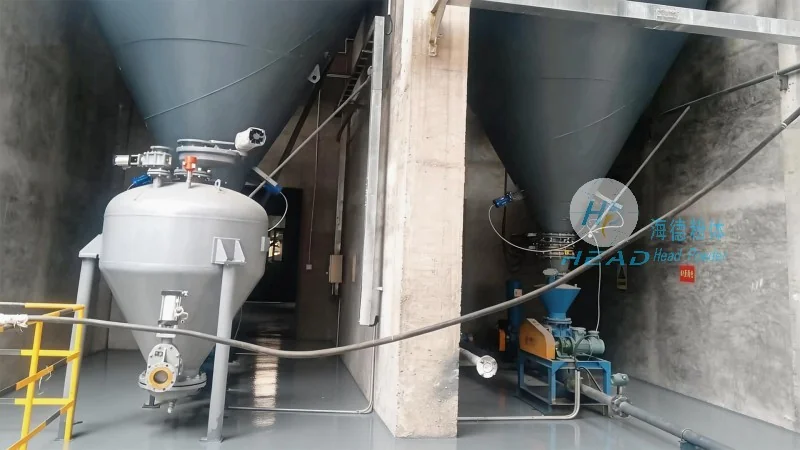
4. Discharge: Once the weighing hopper reaches the desired weight, the material is discharged into the next processing stage or storage container. The system then resets and prepares for the next cycle.
Advantages and Applications
Quantitative weighing pneumatic conveying systems offer several advantages over traditional material handling methods. These include high accuracy in material measurement, minimal product degradation due to enclosed transport, and reduced labor costs. The systems are particularly suitable for handling sensitive materials that require low contamination and consistent quality. In the food industry, they are used for conveying flour, sugar, and other dry ingredients. In the pharmaceutical sector, they are employed for transporting active pharmaceutical ingredients (APIs) and excipients. In the chemical industry, they handle powders and granules with high precision, ensuring compliance with regulatory standards.




